








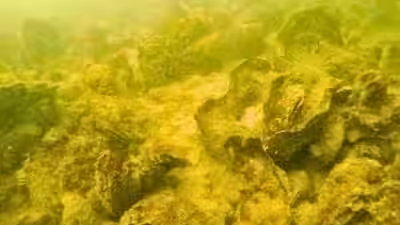
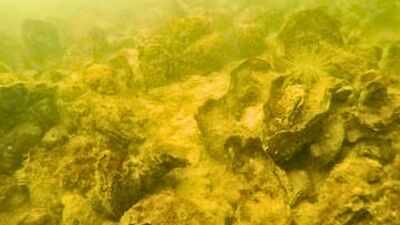
Maryland has restored hundreds of acres of oyster reef in Harris Creek as part of a larger effort to rebuild oyster habitat in the Chesapeake Bay. As of the end of 2024, Harris Creek had 343 acres of healthy oyster reef, with 2.49 billion oyster seeds planted there. The restoration is part of a broader effort that has helped restore oyster reefs across Maryland and Virginia.According to NOAA Fisheries, monitoring shows 99% of six-year-old restored reefs in Maryland meet the minimum oyster density and biomass threshold, and 83% meet the higher target. The restoration work aims to rebuild oyster populations while creating reef habitat that supports other species.
How did Harris Creek become a major oyster restoration site
Harris Creek is one of the Maryland tributaries included in the large-scale oyster restoration effort in the Chesapeake Bay. The creek had 343 acres of healthy oyster reef as of the end of 2024. A total of 2.49 billion oyster seeds were planted there as part of the restoration work.Across Maryland’s restoration projects, partners built reefs in one of two ways: by creating a substrate base and planting hatchery-produced oyster seed, or by placing seed only on remnant reefs.Harris Creek was among the tributaries selected for large-scale restoration under the Chesapeake Bay restoration effort. Oyster reefs also provide habitat for other Bay species. The restoration across Maryland and Virginia has now reached the goal of restoring reefs in 10 tributaries.
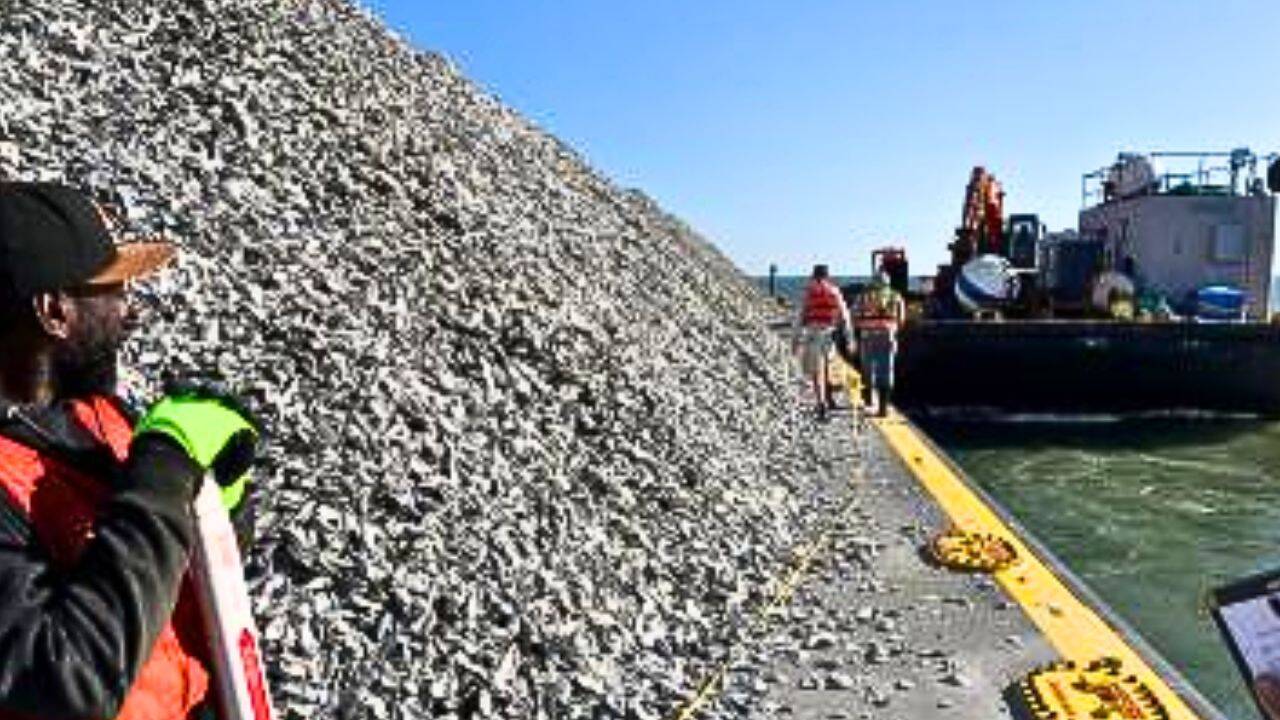
PC: Virginia Marine Resources Commission/ NOAA Fisheries
Maryland has planted billions of oyster seed across restored reefs
Maryland continued adding oysters to restored areas as part of its restoration programme. In 2024, partners planted more than 340 million seed oysters in Maryland. The oyster larvae used for this work were produced at the Horn Point hatchery. The restoration programme uses hatchery-produced oyster seed to help establish oysters on restored reef areas.Harris Creek received 2.49 billion oyster seed during the restoration effort. The Little Choptank River has 358 acres of healthy oyster reef, with 2.16 billion seeds planted there. The Tred Avon River has 131 acres of healthy oyster reef, with 1.2 billion seeds planted. Together, these projects form part of Maryland’s wider effort to rebuild healthy oyster reefs in the Chesapeake Bay.
How well are restored oyster reefs developing over time
Monitoring has provided evidence of how restored oyster reefs are developing over time. NOAA Fisheries reports that 99% of six-year-old restored reefs meet at least the minimum threshold for oyster density and biomass. These measurements are used to assess the condition of restored reefs and determine whether they are meeting established restoration targets.The results cover six-year-old restored reefs in Maryland’s restoration effort, with Harris Creek the first tributary to reach that six-year mark. The monitoring allows restoration partners to track how reefs develop after restoration work.
Maryland and Virginia have restored oyster reefs across 10 tributaries
Maryland’s oyster restoration work is part of a wider Chesapeake Bay effort that involves Maryland and Virginia. Partners have now restored oyster reefs in all 10 tributaries selected for large-scale restoration, along with the Eastern Branch of the Elizabeth River in Virginia. The 10 tributaries contain more than 2,400 acres of healthy reef. About 500 acres were already healthy enough to be classified as restored before active restoration began.Partners actively restored another 1,900 acres. NOAA Fisheries says oysters are important because they build reefs that provide habitat for other Bay species and filter water as they feed. The agency also says only about 1% of the native oyster population remains in the Bay because of disease, overfishing, degraded water quality, and other issues.