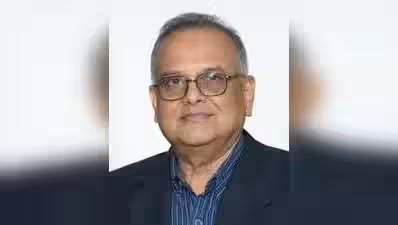










Hyderabad: Expressing concern over some of the provisions in the draft CURE Bill 2026, Malkajgiri MLA Marri Rajasekhar Reddy said some provisions like periodic revision of water supply and sewerage user charges could result in automatic annual increases, placing an additional financial burden on urban households. He also objected to the capital value-based property tax as the proposal to levy property tax based on capital value may substantially increase the tax burden on homeowners, particularly middle-class families, senior citizens and fixed-income households.The MLA submitted representation to special chief secretary of municipal administration Jayesh Ranjan on Friday raising serious objections to several provisions of the proposed CURE Bill and urged the govt to comprehensively review the draft before its enactment.In his representation, the MLA stated that while urban development and better governance are welcome objectives, but the Bill in its present form weakens democratic local self-government and is inconsistent with the spirit of the 74th Constitutional Amendment, which guarantees greater autonomy and decentralisation to Urban Local Bodies.He said the proposed apex council and govt are vested with overriding powers, reducing the role of elected municipal corporations. The Mayor, Deputy Mayor and Standing Committee are left with very limited authority, undermining democratic governance.“Although ward committees are mentioned in the Bill, there is no statutory requirement to establish functional ward committees with clearly defined powers and financial authority in every ward. This weakens citizen participation and grassroots governance,” Rajasekhar Reddy said.The Bill provisions empowering the govt to suspend resolutions, issue binding directions and dissolve or supersede municipal corporations erode the autonomy of democratically elected local bodies and dilute the concept of local self-government, he said.ends/