









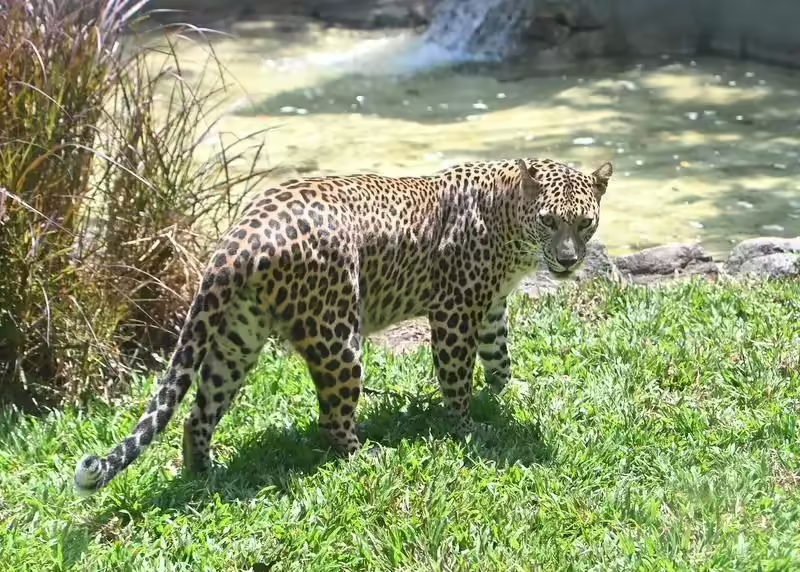
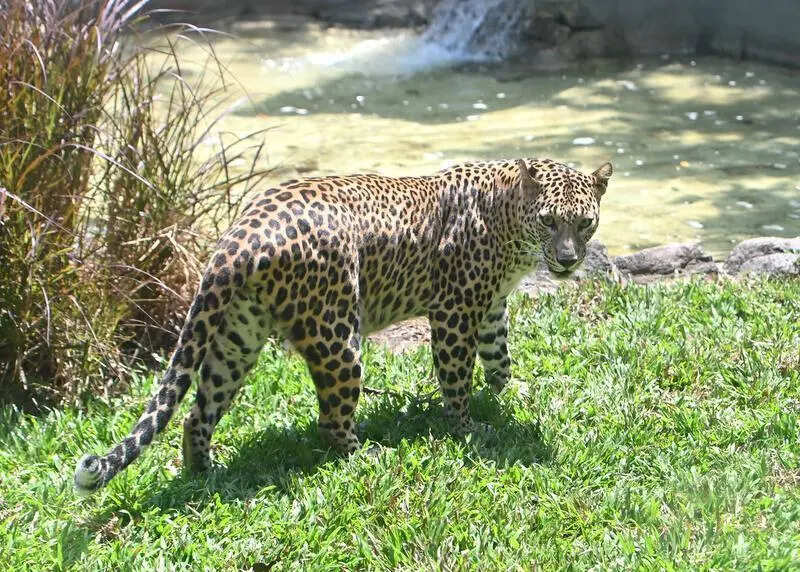
Pune: Forest officials from the Junnar division installed two trap cages at the Mercedes-Benz manufacturing facility in Chakan on Friday after a leopard was spotted roaming the campus in the early hours.The animal was captured on CCTV footage by the company’s security team, prompting a monitoring and rescue operation. While forest personnel surveyed the premises shortly after receiving the call, they did not find the leopard on-site but confirmed its presence through the video evidence.“Based on the CCTV footage, our personnel conducted a thorough survey. While the animal wasn’t physically located during the initial sweep, the footage clearly shows it on the premises,” said Santosh Kank, range forest officer (RFO), Chakan forest range. “We have installed two trap cages with bait at strategic locations to safely capture the animal should it return.”As of Friday evening, officials reported no fresh movement or signs of the leopard. Experts suspect the animal strayed into the industrial zone from nearby forest patches stretching between Alandi Phata and Koyali village.The Chakan region, one of Maharashtra’s largest industrial hubs, is interspersed with fragmented scrub forests and green zones that act as wildlife corridors. “There are significant forest pockets near the industrial area. This is not the first time a leopard has been spotted in this locality; there have been several instances in the recent past,” Kank added.The sighting caused concern among employees and security staff, though no injuries or incidents were reported. The forest department has since intensified surveillance and night patrols in the surrounding area.When contacted, a spokesperson for Mercedes-Benz India declined to provide an official statement on the matter.Leopard sightings in Pune’s rapidly urbanising industrial zones, including Hinjewadi, Ranjangaon, and Hadapsar, have become increasingly frequent. Experts attribute this to shrinking natural habitats and the presence of stray dogs near industrial waste dumping sites, which act as easy prey for the big cats.“Animals, specifically stray dogs, are drawn to these industrial pockets primarily in search of food,” a senior forest official said. “This is a growing issue that needs to be addressed through better waste management and habitat protection.”The forest department has urged local residents and workers to remain vigilant, avoid panicking, and refrain from venturing into isolated areas alone, particularly during night and early morning hours.