











NEW DELHI/HYDERABAD/LUCKNOW: For some brides and grooms, the countdown to their wedding is no longer just about finalising outfits, booking venues and planning celebrations. It is also about shedding kilos.With wedding photographs, pre-wedding shoots and family gatherings adding to the pressure to look their best, some couples are turning to prescription weight-loss injections such as Mounjaro and Ozempic in the hope of achieving a slimmer appearance before the big day.Enquiries from prospective brides, grooms and their families are rising, with some seeking results within weeks rather than months.The trend has raised concerns among medical professionals, who warn that these medicines are not cosmetic quick fixes and cannot safely be used to meet a wedding deadline.
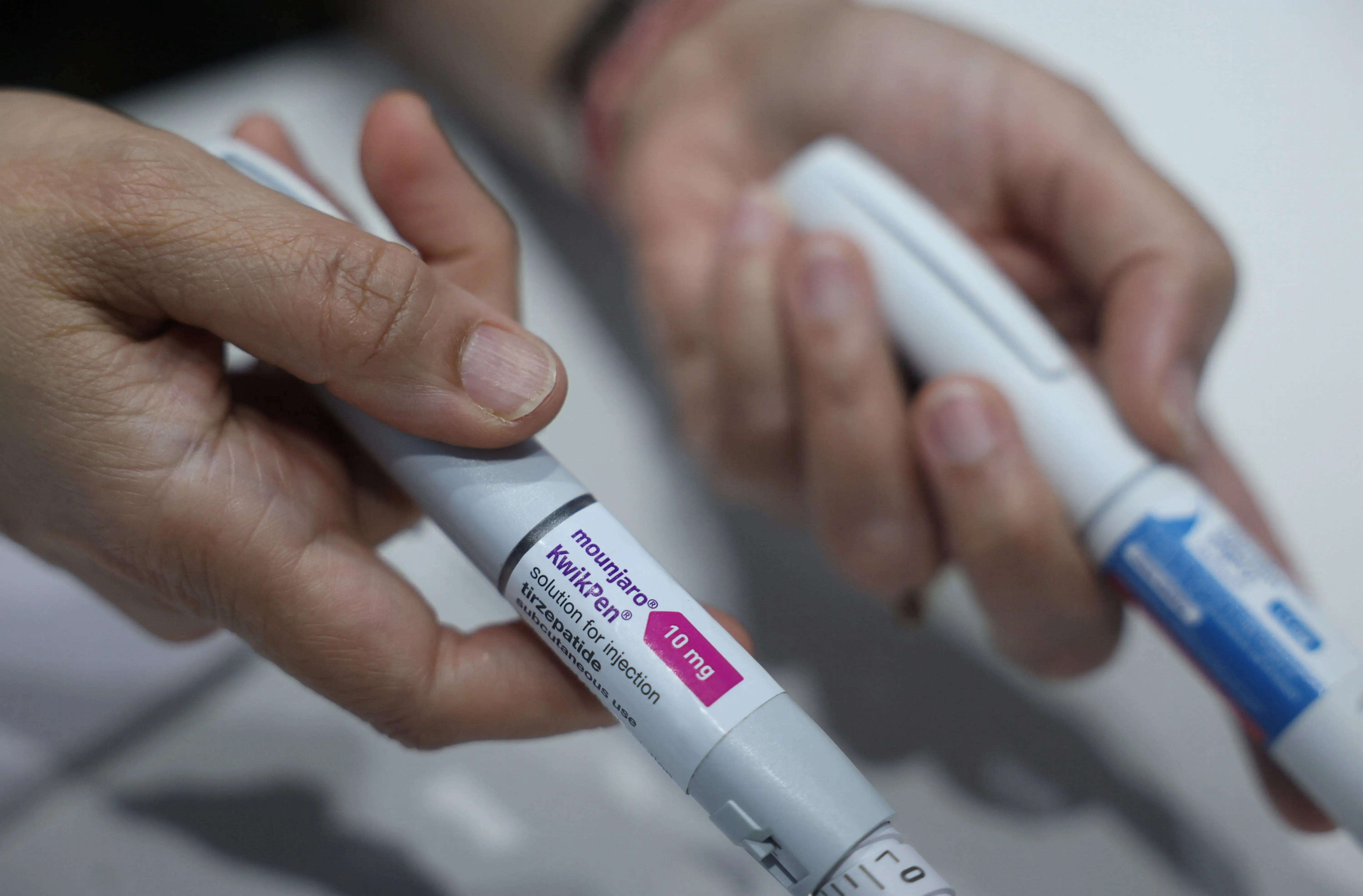
Dr. Swati Pradhan displays a Mounjaro injection used for weight loss. (Reuters Photo)
‘Looking good is not always just about personal satisfaction’
The pressure to look a certain way on one’s wedding day may go beyond wanting to look good in photographs or wedding attire. For some, it is also about seeking social acceptance, avoiding judgement and meeting expectations around physical appearance.The desire to be admired and remembered positively can sometimes make people more conscious of their bodies, turning what should be a personal celebration into a source of anxiety and self-scrutiny.Speaking to TOI from Hyderabad on Sunday, Rebecca, a counselling psychologist at 1Life Suicide Prevention, said societal expectations and the fear of being judged could influence how people perceive their appearance, particularly on occasions as significant as weddings.
“Sometimes in life, everyone has that one special day that means a lot to them. A day when they want to look their best, feel confident, and make their presence memorable.”
She said the pressure to conform to social expectations often influences people’s decisions, even when they may not openly acknowledge it.“But we also need to understand that we live in a society that is often very judgemental. Whether we admit it or not, many of our decisions are influenced by what people might think or say about us.”Drawing attention to how physical appearance can shape social perceptions, Rebecca said people who fit conventional standards of attractiveness often receive more attention and admiration.“For example, when someone is chubby or overweight, people may not always pay much attention to their appearance. But when someone is attractive, well-dressed, or has a good physique, they often become a topic of discussion and admiration.”This desire for appreciation can gradually make people more conscious of how others perceive them, she said, adding that looking good is not always just about personal satisfaction.“Naturally, we all want to be appreciated, noticed, and spoken about positively. Somewhere, we are not just trying to convince ourselves that we look good; we are also trying to meet the expectations of society.”Such expectations can also affect how people view themselves. The pressure to measure up to certain ideals may lead to constant comparisons and dissatisfaction with their own bodies.“Psychologically, this can create an inner conflict. We begin questioning our own bodies: Why do I look this way? Why can’t I have the body I wish for? Why am I not as confident as someone else?”Over time, this scrutiny can become internalised, making people their own harshest critics even before they face judgement from others, Rebecca said.“Without realising it, we become our own harshest critics. We judge ourselves even before society gets an opportunity to judge us.”However, she emphasised that while wanting to look good was natural, physical appearance should not determine a person’s sense of self-worth.“But perhaps what we need to understand is that wanting to look good is perfectly natural, but allowing society’s opinions to determine our self-worth is not.“We deserve to feel beautiful, confident, and comfortable in our own bodies, irrespective of our shape, size, or appearance. After all, our presence should be remembered for who we are, not just for how we look.”
‘A weight-loss deadline’
In Lucknow, enquiries about medicines such as Mounjaro and Ozempic have increased two to three times over the past 12 to 18 months at some high-volume centres, reflecting growing demand for treatments that promise visible results within a limited period, according to a TOI report published on April 20, 2026.The urgency is evident in the requests reaching bariatric clinics. A 29-year-old groom-to-be weighing 105kg approached one such clinic just two months before his wedding. Standing 5ft 9in tall, he wanted an injection that would help him lose at least 10kg quickly so he could look better in his wedding photographs.
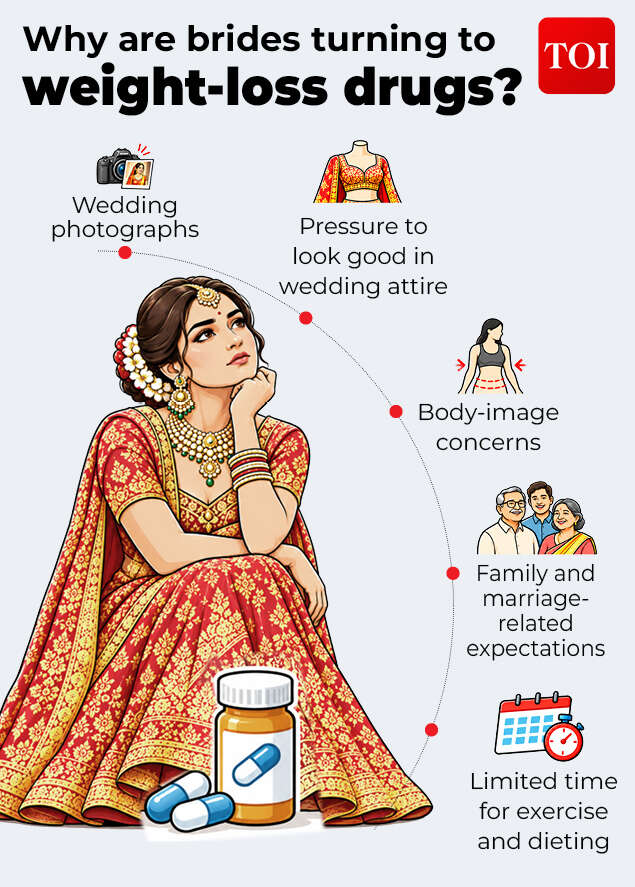
Why are brides turning to weight-loss dugs
Doctors, however, advised him that the target was unrealistic and attempting to achieve it within such a short period could be unsafe.The case is not isolated. Similar requests are coming from people preparing for birthdays, anniversaries, parties and holidays.Weddings, however, appear to bring a particular urgency, with photographs, family gatherings and the prospect of appearing before guests adding to the pressure to look a certain way.At high-volume centres, clinics receive around 25 to 40 enquiries a week, while some mid-sized practices report two to three queries a day. Smaller clinics are also seeing requests for weight-loss medication.Dr Mohit Bhandari, bariatric robotic surgeon at Health City Vistaar Hospital, said enquiries at large centres had increased two to three times over the past 12 to 18 months, reaching 120 to 150 a month, according to the April report.However, not everyone seeking treatment qualifies for it.In Bhandari’s practice, only 40-45% of those approaching the clinic met strict eligibility criteria, while others were looking for a quick aesthetic change.With appropriate treatment, dietary modifications and lifestyle changes, patients could expect to lose around 4-8kg over one to three months, he added.
The wedding glow-up, now with a jab
The trend is not limited to one city. A Reuters report found that weight-loss injections were increasingly becoming part of pre-wedding preparations, with clinics incorporating medicines such as Mounjaro into packages that also offered nutritional guidance and workouts.One New Delhi wellness clinic advertised a ‘Mounjaro bride’ package, while other establishments included weight-loss injections in pre-wedding transformation plans traditionally associated with skincare and hairstyling.
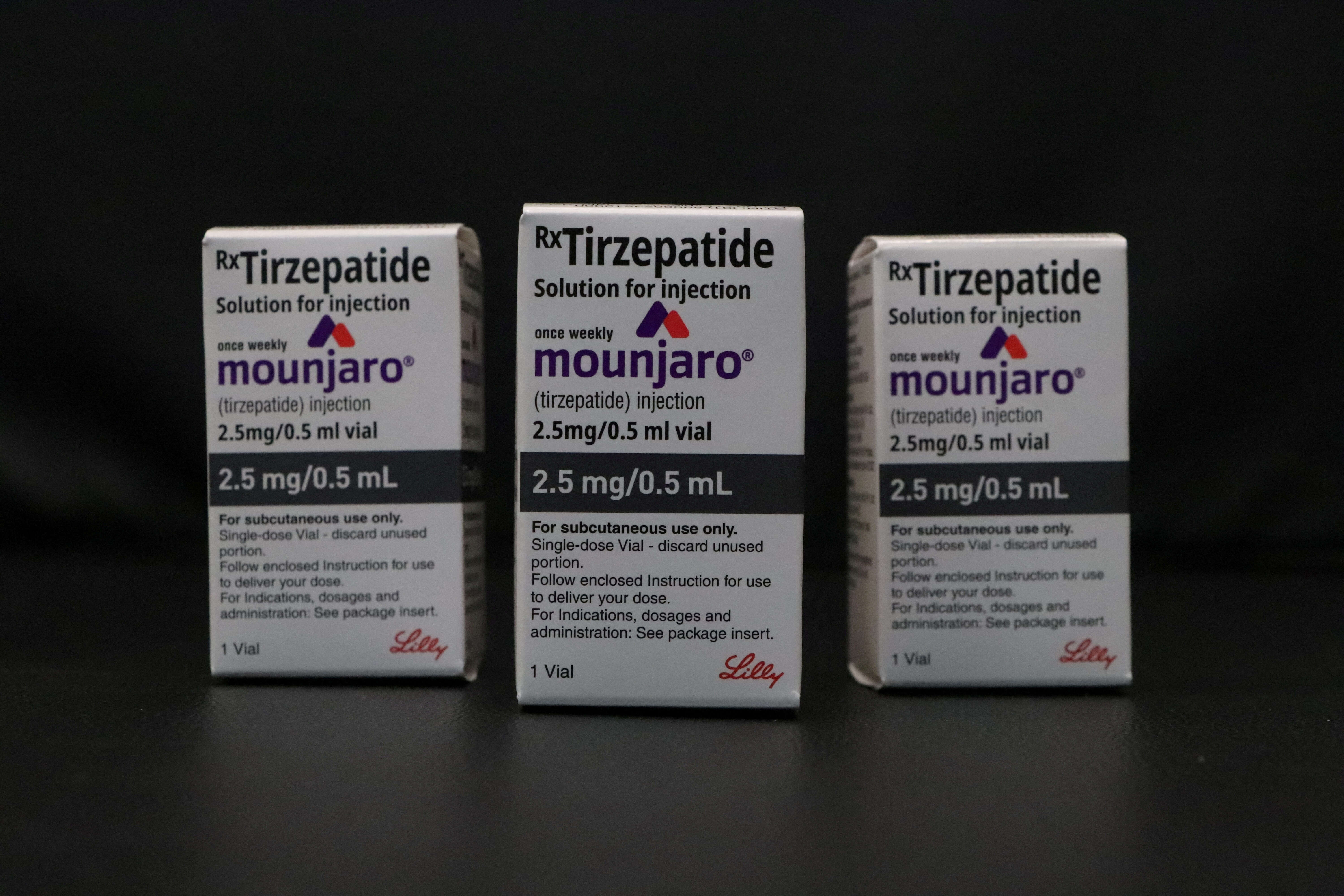
(File Photo, Credit: Reuters) Vials of Eli Lilly’s Mounjaro, a tirzepatide injection drug used for treating type 2 diabetes and weigh loss, are placed on a table
Eight doctors interviewed by Reuters said they had received enquiries from brides and, in some cases, grooms seeking weight-loss medicines before their weddings.Rajat Goel, a bariatric surgeon at Hindivine Healthcare in New Delhi, said more than 20% of the enquiries his clinic received about obesity injections came from prospective brides.Patients often disclosed their wedding dates and wanted to know how quickly they could lose weight, Goel said. However, he prescribed the medicines only to those who were medically eligible, not for cosmetic purposes.For some women, the decision was closely linked to confidence and expectations surrounding their appearance.A 26-year-old finance professional from Mumbai consulted a doctor after diet and exercise failed to produce the results she wanted. She lost 10kg using Mounjaro before her February wedding.She told Reuters that seeing the results made her happy and that she did not want to feel uncomfortable about her appearance on her wedding day.Another woman, who got married in Hyderabad last year, said she lost 15kg with the help of the injections, bringing her weight down to 76kg before the wedding.The demands of wedding preparations left her with little time for the gym or a structured diet, making medication seem like a more convenient option, she said.These experiences point to the appeal of a treatment that promises weight loss without requiring people to spend months working towards it. But the prospect of a quick transformation also raises questions about what happens when the wedding celebrations are over.
‘Rejected by prospective grooms because of weight’
For some prospective brides, the pressure to lose weight before marriage extends beyond the desire to look good in photographs or wedding attire. It is also linked to the scrutiny they face while looking for a partner.A 27-year-old technology professional from Bengaluru told Reuters that she had been rejected by prospective grooms and their families because of her weight. She said she had been told she was fat.She initially used oral semaglutide, which is approved in India for diabetes, as an off-label treatment and lost more than 12kg before switching to injectable Mounjaro.Her experience illustrates how expectations around physical appearance can influence decisions about medication. In a setting where marriage preparations may involve scrutiny from extended families and prospective partners, weight loss can become more than an individual health goal.The report also found that several brides and a groom who spoke about using weight-loss drugs had stopped taking the injections soon after their weddings.
A transformation but at what cost?
The growing interest in these medicines needs to be viewed against their intended medical use. Drugs such as Mounjaro and Wegovy are prescribed for specific medical conditions and are not meant to be used as quick cosmetic fixes.Dr Mahim Mittal of Medanta Hospital cautioned against taking the medicines for short periods simply to meet a wedding deadline. They should be prescribed only after a full medical evaluation and are intended for long-term weight management, he said.
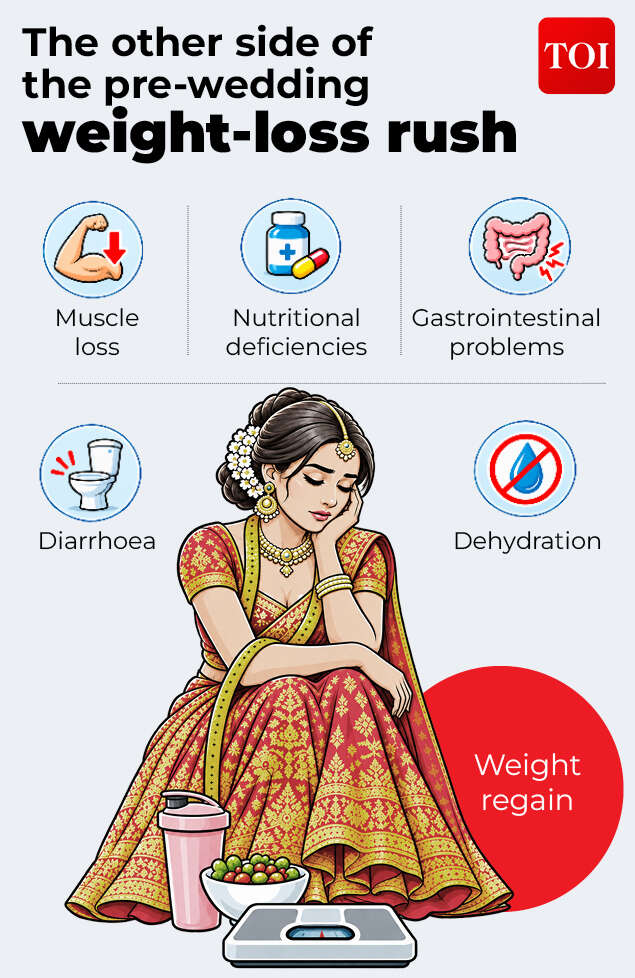
The other side of the pre-wedding weight-loss rush.
Treatment generally begins with a low dose, which is increased gradually. Stopping the medication can also lead to weight regain, making a short-term approach unsuitable for people expecting a lasting change.Misuse can also result in muscle loss, nutritional deficiencies and gastrointestinal problems. Diarrhoea and dehydration are among the possible complications when treatment is rushed or undertaken without proper supervision, doctors in Lucknow have warned.
A booming market and the risk of misuse
The demand for weight-loss medicines is also expanding. Mounjaro and Wegovy entered the Indian market in 2025, and the country’s obesity-drug market was projected to reach Rs 80,000 crore by 2030, according to Reuters.The growing availability of cheaper alternatives is likely to widen access, but it has also raised concerns about inappropriate use and unauthorised promotion.These medicines are intended for adults classified as obese, or those who are overweight and have a weight-related medical condition such as diabetes, hypertension or sleep apnoea. They are not intended for people seeking to lose a few kilos simply to fit into wedding clothes.Eli Lilly told Reuters that Mounjaro had been approved for specific medical indications and should be used only under the supervision of a qualified healthcare professional.Novo Nordisk, meanwhile, said it discouraged self-medication with semaglutide or any deviation from its approved use.
Another item in wedding checklist?
The wedding industry may have added another item to the preparation checklist, but the body cannot be expected to work to the same deadline as a wedding planner. Losing weight and maintaining it requires time, medical guidance and lifestyle changes.