





Noida: Supreme Court lawyer Indira Jaising, whose midnight intervention on Sept 8, 2014, stalled a black warrant and saved Surinder Koli, one of the key accused in the Nithari serial killings case, from the gallows, said no theories had emerged indicating his death was a suicide.“I do suspect that despite his acquittal, the stigma of being a murderer never left him. Even upon the judgment being delivered, many thought he was guilty. I tried to contact him, but he was beyond contact. The sheer isolation must be depressing. He never could integrate into civil society, even his family could not reach him,” she said.
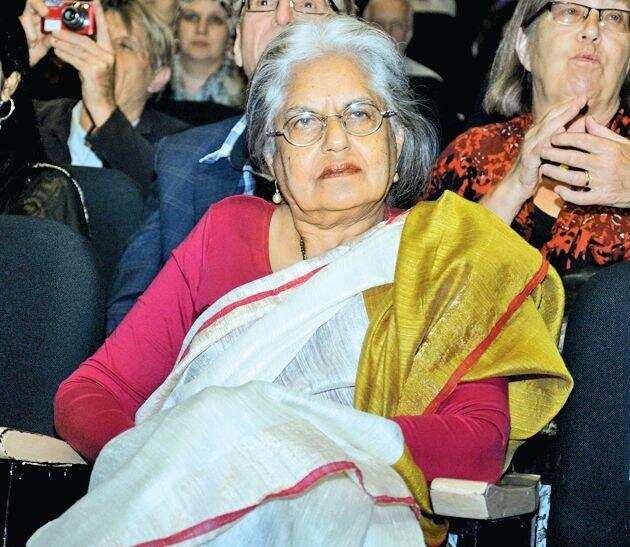
Koli never could integrate into civil society, even his family could not reach him, Supreme Court lawyer Indira Jaising said
The 2006 Nithari case had come to light after skeletal remains, skulls and bones were recovered from the backyard and drains near Koli’s employer Moninder Singh Pandher’s bungalow number D-5 in Sector 31 and linked to the disappearance and killings of several children and young women in the area. Pandher and Koli were arrested on Dec 29 that year.Koli was awarded the death penalty in 13 of the 16 cases by a trial court and acquitted in the rest. On Sept 11, 2009, Allahabad High Court commuted his death sentence to life imprisonment in the Rimpa Haldar case. Two years later, in Feb 2011, Supreme Court upheld Koli’s conviction, calling his confession admissible. Within months, a death warrant was issued for him to be hanged between May 24 and 31, 2011. His mercy petition to the Governor of UP sat unresolved for over two years before being rejected in April 2013. In July 2014, the President turned it down.On Sept 4, Koli had been transferred quietly from Dasna jail in Ghaziabad, where he had been lodged since his arrest, to Meerut, and media reported that his execution was set for 5 am on Sept 8. By Sept 7 midnight, phones were ringing. Senior advocate Indira Jaising was woken up by a call from Koli’s lawyer Yug Mohit Chaudhary. “There’s a man about to be executed in four hours. Will you go?” he asked. She had agreed. At 1 am, Jaising stood before Justice HL Dattu, who woke up another judge, Justice Anil Dave. Court staff were summoned from their homes in the middle of the night. At 1.50 am, Supreme Court had stayed Koli’s execution on Jaising’s plea.On Friday, Jaising said the judicial process may have got to Koli. “It tells a lot about false prosecution, about the never-ending judicial process, as the best years of his life were spent in prison.”On Oct 16, 2023, the high court acquitted Koli in the other 12 cases, citing significant lapses in the investigation, including the inadmissibility of crucial evidence and procedural violations. On July 31, 2025, Supreme Court upheld the high court’s acquittal, effectively exonerating both Koli and Pandher in connection with these cases. On Nov 11 last year, Supreme Court acquitted Koli in the last remaining case, that of Rimpa Halder (13), linked to the Nithari killings. After spending nearly 19 years in jail, he walked out of Luksar jail in Greater Noida on Nov 12 last year, a day after Supreme Court acquitted him in a final pending case.On Friday, he was found hanging at a rented tea stall on Sapt Sarovar Road in Haridwar, which he was running after walking out of jail. While a probe has been launched, local police claimed the death appeared, prima facie, to be a case of suicide.
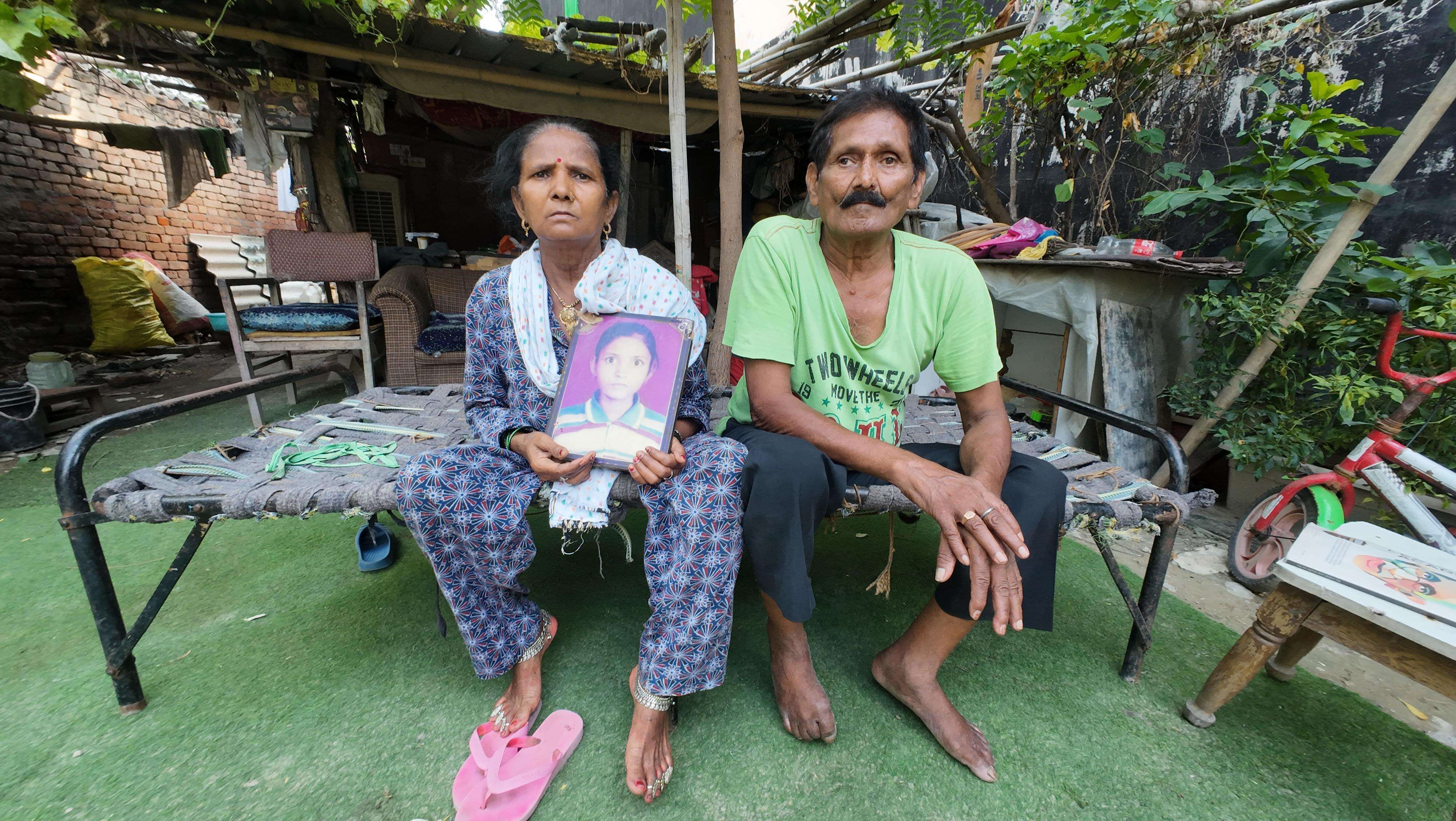
Jhabbu Lal and his wife Sunita at Nithari village
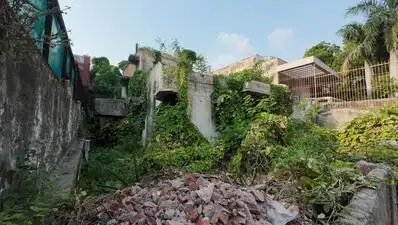
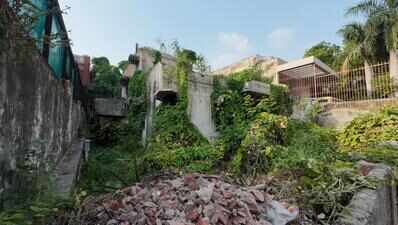
Jhabbu Lal (64), the father of a 10-year-old girl who was among the 16 minors who went missing and were later found dead in 2006, has demanded a probe into the death by suicide of Koli.“I doubt that Koli has committed suicide. He could have done that in jail when he had multiple convictions. I think he was killed and someone is trying to make it look like a suicide,” Lal said.Originally from Unnao district, Lal’s family had migrated to Nithari village four decades ago in search of work. He settled in Nithari with his family of eight and earned his livelihood ironing clothes. Jyoti, his fifth youngest child, went missing in 2006, and her body was later found in the drain outside house number D-5.The couple continued to live in Nithari, surrounded by memories of their daughter, even as families of all the other 16 victims left the area. Lal and his wife Sunita (61) continue to earn a living ironing clothes in a makeshift hut not far from the D-5 bungalow, which has been abandoned since then.Sitting next to her husband on a cot, the only piece of furniture in their home, Sunita held the only photo of her daughter tightly. “We don’t believe that justice was delivered to us,” she said.Yug Mohit Chaudhry, who represented Koli in Supreme Court, declined to comment.Pandher, who walked out of jail on Oct 20, 2023, was not available for comment as his phone was switched off. His bungalow, meanwhile, remains overgrown with weeds. Local residents said there was excessive vegetation, though someone had trimmed it recently.