








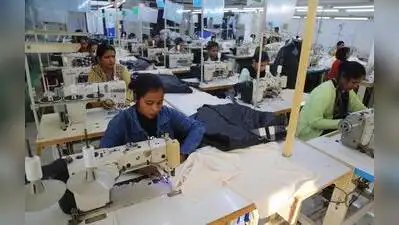
Gurgaon: Haryana is set to give its micro and small enterprises a marketing push by reimbursing half of their eligible spending on branding, digital marketing, e-commerce listings and export promotion, with assistance of up to Rs 10 lakh a year, as it seeks to take products made in its smaller industrial clusters to domestic and international markets.The initiative is part of the state’s Programme to Accelerate Development for MSME Advancement (PADMA), a five-year block-level industrial development programme covering all 143 blocks of Haryana. The state’s 2026-27 budget has provided an outlay of Rs 150 crore for PADMA. The programme envisages setting up a new MSME cluster in every block, attracting Rs 25,000-30,000 crore in investment, creating 10,000-plus new enterprises and generating 3 lakh direct and indirect jobs.Under PADMA Designing, Branding, Marketing & Exports Promotion Scheme, eligible micro and small enterprises can claim reimbursement of 50% of expenditure on activities including listing products on e-commerce platforms, market intelligence, logo and packaging design, digital marketing and adoption of innovative and sustainable packaging solutions. “The assistance is capped at Rs 10 lakh per year. Units availing the PADMA incentive cannot claim assistance under a similar state govt scheme for the same purpose,” said an official of the industry department.The move assumes significance given the size of Haryana’s MSME base. The latest Union MSME ministry dashboard shows 15.69 lakh micro enterprises and 25,953 small enterprises registered under Udyam in Haryana, taking the combined micro-and-small universe to about 15.95 lakh units. Including medium enterprises and informal micro enterprises registered through Udyam Assist Platform, the total comes to about 25.82 lakh MSMEs. However, the entire registered base is not automatically eligible for PADMA benefits; eligibility is linked to the scheme’s conditions and identified PADMA products/clusters.The scale of the proposed intervention is also reflected in PADMA’s design. Govt has identified one product in each of the state’s 143 blocks based on local resources, existing micro-enterprise ecosystems, demographic profile and growth potential. Each proposed cluster is to be developed over at least 25 acres and is envisaged to have a minimum of 20 MSMEs. The programme therefore seeks to build local production ecosystems rather than merely provide individual subsidies.For the state, market access is an important missing link. Directorate of MSME already has a dedicated market development and export promotion cell tasked with helping enterprises identify new markets, enter global value chains, participate in national and international trade fairs, access e-commerce channels and understand export documentation, certification, labelling and quality requirements.The policy’s focus is particularly relevant for Haryana because its merchandise exports are concentrated in a handful of districts and product categories. The state’s Make in Haryana Industrial Policy notes that about 57% of Haryana’s merchandise exports go to 10 countries, with the US alone accounting for 23.76%. Gurgaon, Faridabad, Karnal, Sonipat and Panipat account for a major share of exports, with engineering goods, rice and ready-made garments among the leading export commodities.The state has also begun building a broader export-support ecosystem. In March 2026, the Directorate of MSME invited applications to create a comprehensive database of Haryana MSMEs for export and matchmaking opportunities, indicating an attempt to connect smaller firms with buyers and markets rather than limiting support to financial incentives.