







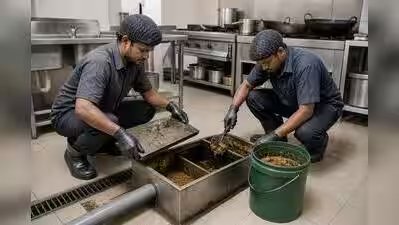
Panaji: The Goa State Pollution Control Board (GSPCB) has approved a pilot framework to ensure uniform installation, maintenance and cleaning of oil and grease traps for managing kitchen wastewater generated by hotels, restaurants, canteens and banquet halls. The project will be implemented in Panaji, Margao and Mapusa.“The framework shall be implemented on a pilot basis in the municipalities selected by the board. The board shall review its implementation and, based on the outcome, consider further measures for its effective implementation across Goa,” GSPCB said.The board said establishments with kitchen operations generate wastewater containing oil, grease and food residues. Discharging such wastewater without adequate treatment can choke drainage and sewerage systems, cause foul odour and overflows, and create operational problems in downstream sewage treatment systems.Under the framework, establishments covered by applicable consent requirements must install adequately designed, properly sized and easily accessible oil and grease traps to handle kitchen wastewater.The traps must be inspected regularly to check the accumulation of floating grease and settled solids and ensure the proper functioning of inlets, outlets and baffles.“The traps shall be completely cleaned at least once every 30 days or earlier if the combined accumulation of floating grease and settled solids reaches 25% of the effective liquid depth, whichever occurs first. Surface skimming alone shall not be considered complete cleaning. Accumulated grease and settled solids shall be completely removed, and the trap shall be maintained in effective working condition,” GSPCB said.Waste removed from the traps must not be discharged into drains, sewers, stormwater drains, land or water bodies. It must be kept separate from used cooking oil and managed through an appropriate lawful route. The board said the waste must be scientifically handled and disposed of as per approved norms.Establishments must also maintain inspection and cleaning records and produce them for verification by the board whenever required.