









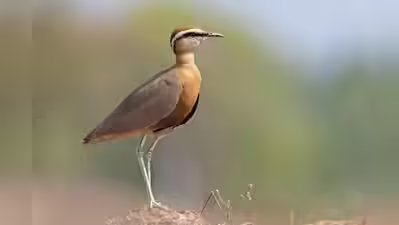
Panaji: Goa, long a birdwatcher’s paradise with many endemic and migratory species in a small area, has crossed the 500-species milestone for the first time. The latest (eighth) edition of the Goa Bird Checklist records 502 species, including new additions such as greylag goose (spotted by Stephen Menezes in Santa Cruz) and red-crested pochard (seen by forest official Paresh Porob).Checklist authors said the milestone is encouraging but also highlights changing ecology, as some newly recorded birds are typically associated with drier habitats. Additions to Goa Bird Checklist 8.0 — published as a scientifically peer-reviewed paper in the Indian BIRDS Journal and updated since 2018 — include the wedge-tailed shearwater (Ardenna pacifica), spotted by Rupali Pandit, and Indian courser (Cursorius coromandelicus), recorded by Qupeleio De Souza.Pronoy Baidya, head of research at Arannya Environment Research Organisation, who authored the checklist with Mandar Bhagat, treasurer of the Goa Bird Conservation Network, said reports are verified through birdwatcher groups by contacting photographers and confirming records before adding them. He noted that 502 species means Goa hosts about 40% of India’s roughly 1,300 bird species within 3,702sqkm.Baidya said sightings of species associated with drier ecosystems, such as Indian courser (normally seen in low-rainfall areas like Hampi), may indicate patches of ecosystem change in Goa. He cited the Indian grey hornbill as another species once uncommon in Goa but now easily spotted in many locations, and also more typical of drier habitats.He also pointed to declines in waterbird numbers at Carambolim – Northern pintail counts that were once around 40,000 have fallen to about 10–15, with most remaining birds seen in South Goa, though even there, numbers are not close to 10,000. He attributed Carambolim’s decline to inadequate water management, with water levels too high to support the vegetation ducks feed on in shallower areas.“With greater species diversity comes a greater responsibility towards wildlife and safeguarding their habitats. The need of the hour is systematic reporting, structured citizen science programmes, rigorous ecological studies, and most important of all, greater love towards Goa and its ecosystems,” Baidya said.Another new record is the black-bellied storm-petrel (Fregetta tropica), spotted by a sailor within Goa’s exclusive economic zone while travelling from Gujarat to South Africa.Goa became the first state to prepare a dynamic bird checklist in 2018, with ongoing updates later adopted by other states. The Goa Bird Checklist also formed the basis for the Bird Atlas developed by a consortium of organisations, including the state forest department.