








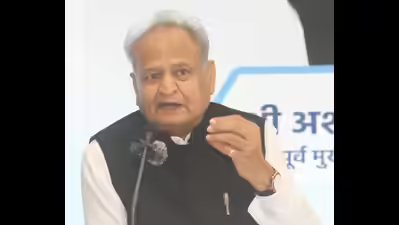
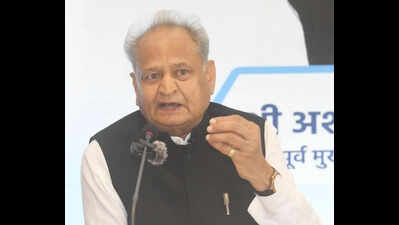
Jaipur: Former Rajasthan chief minister Ashok Gehlot Wednesday accused the Centre of rushing the proposed 131st Constitutional Amendment Bill under the guise of women’s reservation, questioning its timing and intent and warning of wider political repercussions. Raising concerns over the reported use of 2011 Census data for delimitation, Gehlot termed the move “inappropriate” and cautioned that it could deepen the North-South divide if the apprehensions of southern states are not addressed. Referring to concerns flagged by Tamil Nadu chief minister M K Stalin, Gehlot said the signals emerging from the region were “very serious” and needed urgent attention. “The anger and apprehensions voiced by the leaders of the southern states should be taken very seriously by the PM. I am repeating this deliberately — if people in the south start feeling that the north is imposing itself on them and weakening their position, the situation can deteriorate,” he said. “He has hinted at developments reminiscent of the agitations of the 1950s and 1960s in the South. This is a very dangerous signal and shows the depth of the sentiment there. It is a highly sensitive matter,” Gehlot added. He also questioned the Centre’s decision to rely on 2011 Census data, calling it unjust to new voters and detrimental to democratic fairness, especially when a fresh census is yet to be conducted. Targeting the timing of the bill, Gehlot alleged undue haste. “Is there any emergency that requires such urgency in the middle of elections? Does this not violate the Model Code of Conduct?” he asked. Gehlot further criticised the Centre for not convening an all-party meeting. “Democracy runs on consensus, not unilateral decisions. The govt must consult all stakeholders and take states into confidence,” he said. While reiterating support for women’s reservation across parties, he flagged delays in conducting the Census, originally due in 2021, and questioned the push for delimitation without updated data. Leader of Opposition Tikaram Jully also termed the timing politically motivated, demanded clarity on implementation and called for wider consultations.