








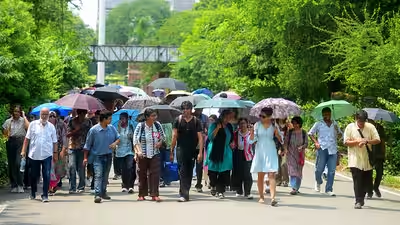
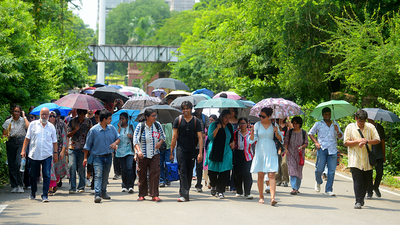
Starting at the iconic red-brick campus of St Stephen’s, which opened in 1941, a heritage walk led by historian Sohail Hashmi took freshers on a journey through the history of Delhi University‘s North Campus. For many students, it offered a chance to look beyond lecture halls and classrooms and discover the stories, landmarks and forgotten corners that have shaped the campus over the decades.
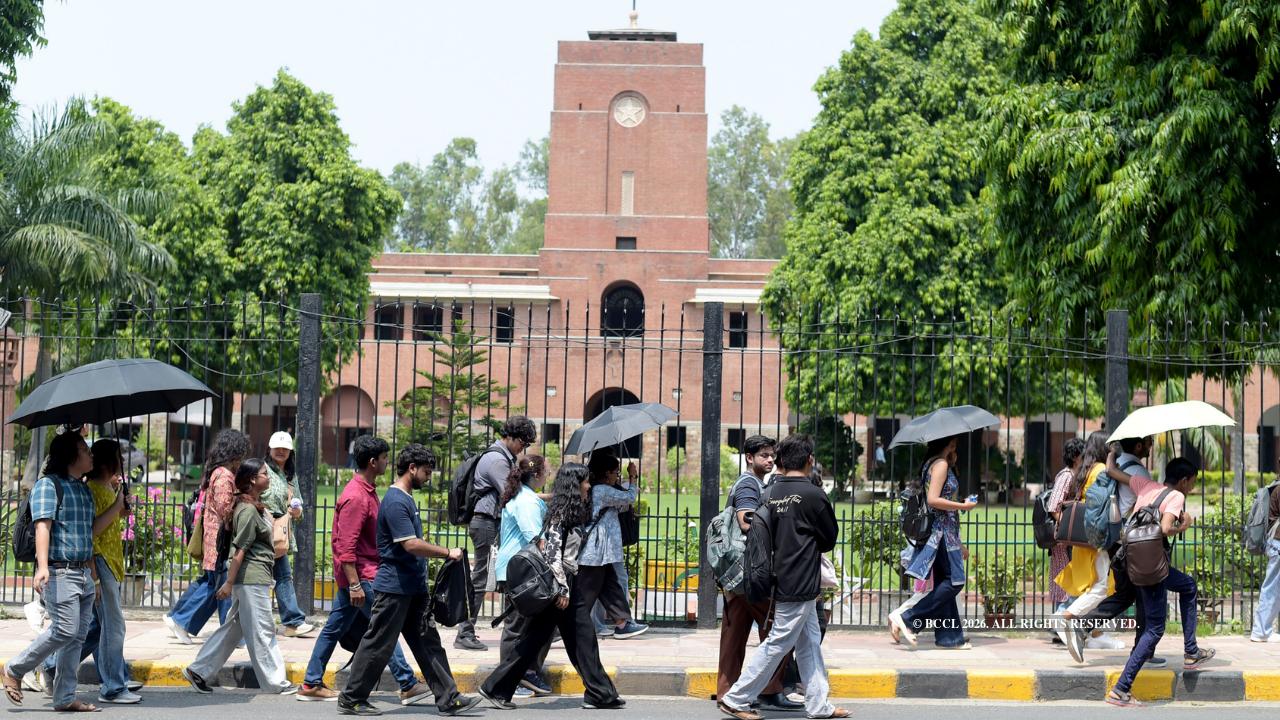
The heritage walk started at the iconic red-brick campus of St Stephen’s, which opened in 1941
The walk covered the protected area of the Kamla Nehru Ridge, also known as the Northern Ridge, which holds layers of Delhi’s history. A key strategic military landmark during the Revolt of 1857, the area is dotted with important historical structures and sites that offer a glimpse into the city’s colonial past.
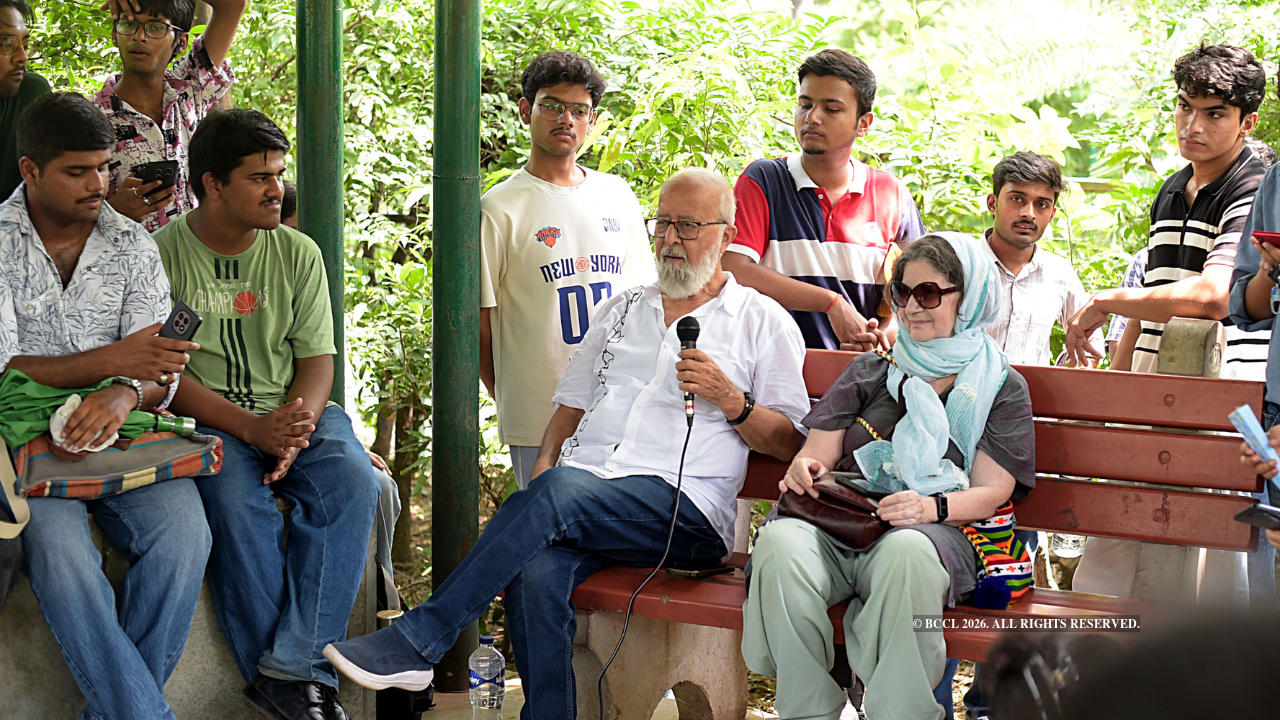
Sohail Hashmi brought the history of the site alive through anecdotes and lesser-known details
Students gathered near the Flagstaff Tower, which served as a European shelter during the capture of Delhi in 1857. As Hashmi brought the history of the site alive through anecdotes and lesser-known details, he also turned the walk into an interactive experience, quizzing the freshers along the way.
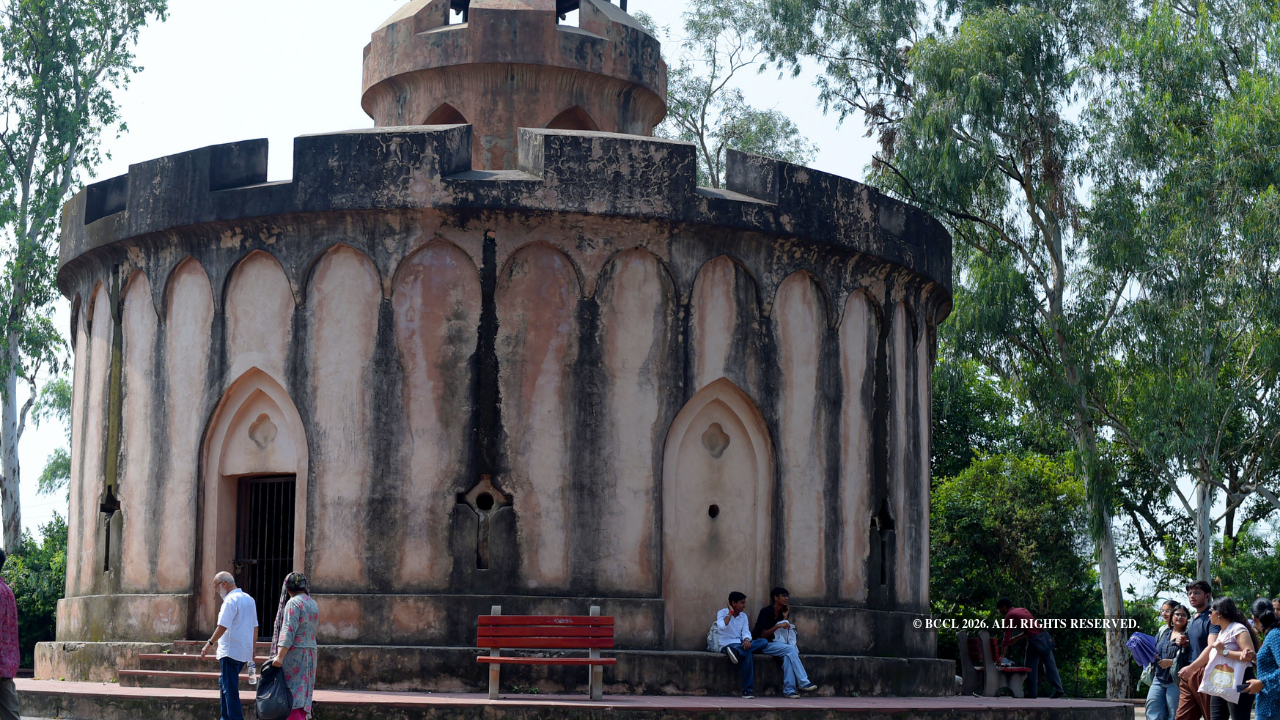
The Flagstaff Tower served as a European shelter during the capture of Delhi in 1857
One question in particular left the students puzzled: “Do you know why there are so many monkeys in this area?” Hashmi explained that the rhesus monkey naturally mates twice a year depending on the availability of food. However, because humans regularly feed them, the availability of food has increased, allowing their population to multiply faster.
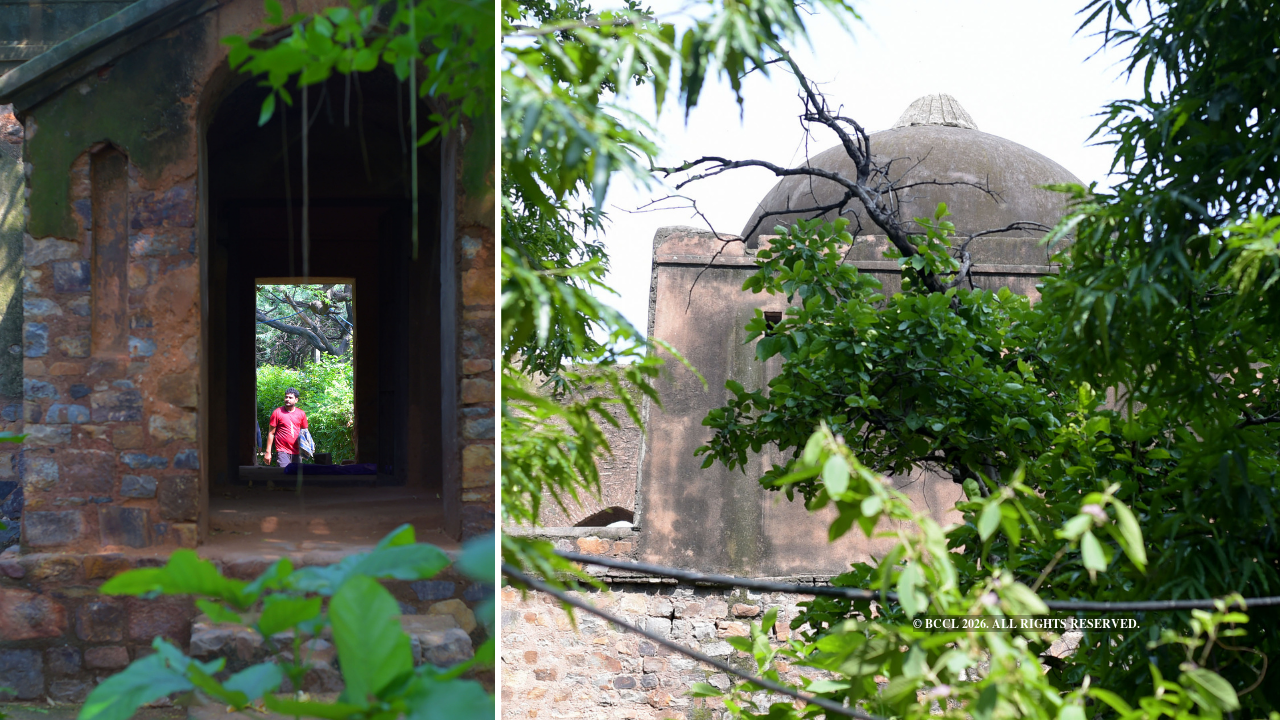
Chauburja Mosque inside the Kamla Nehru ridge, built during the Tughlaq period
The next stop was the Chauburja Mosque built by Feroz Shah Tughlaq. It served as a campsite for the British during 1857. The walk also offered students a different way of getting acquainted with the university. Hearing stories of Shahjahanabad on a sweltering August afternoon, freshers explored a side of North Campus that they may otherwise have overlooked. Between historical anecdotes and stops at significant landmarks, the walk also became an opportunity to meet fellow history buffs and seniors from different colleges.
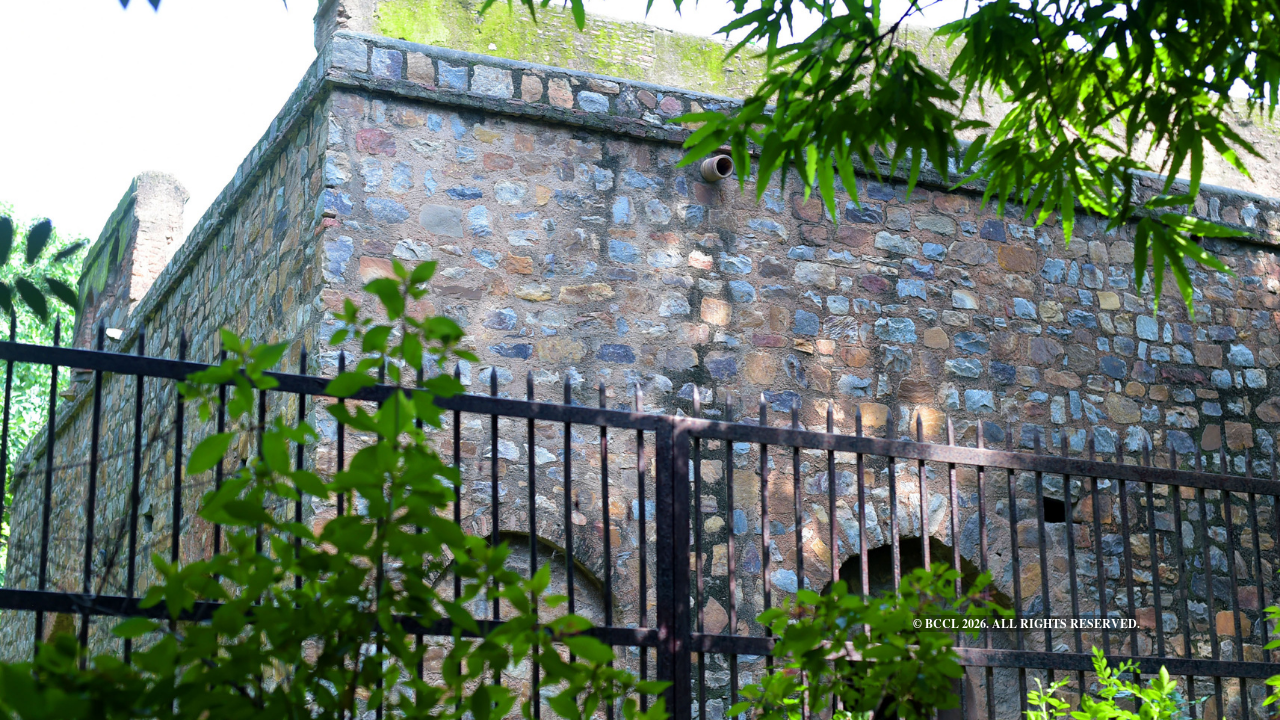
Side wall of the Chauburja Mosque