






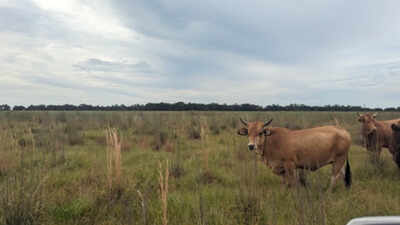
Florida has made an extraordinary move, with nearly 830 acres of farmland across three properties set to be protected from future development. Approximately $5.2 million has been secured for the initiative.In an announcement made by Florida’s Commissioner of Agriculture, Wilton Simpson, on November 10, 2026, it was reported that three properties across DeSoto, St. Johns and Polk counties are involved in the land conservation initiative. The agreements have been secured through the state’s Rural and Family Lands Protection Program, which works towards keeping agricultural land in production while protecting the natural resources found within these properties.
Conserving farmland
At the heart of this initiative lies something known as a conservation easement. While the term might sound rather technical, the idea behind it is relatively straightforward. Instead of purchasing an entire property and turning it into state-owned land, the government acquires certain development rights from its owners. According to the Florida Department of Environmental Protection’s explanation of conservation easements, these agreements allow landowners to retain ownership of their property while giving up certain rights, including the right to develop the land.The Rural and Family Lands Protection Program, established in 2001, is built on a similar approach. Its purpose is to ensure that agricultural properties can continue supporting farming and ranching activities without losing their value as natural spaces. As development pressures increase, the programme offers farmers an opportunity to protect the future of their land without necessarily having to give up the work they have carried out there.The three properties included in the latest announcement are also enrolled in the Florida Department of Agriculture and Consumer Services’ Best Management Practices programme. Additionally, they fall within either the Florida Ecological Greenways Network or the Florida Wildlife Corridor, both of which are important to the state’s wider conservation efforts.The programme has reportedly, permanently preserved more than 257,000 acres of working agricultural land since its establishment. More than 192,000 acres of this total have been protected during Commissioner Simpson’s administration.
Three properties, nearly 830 acres
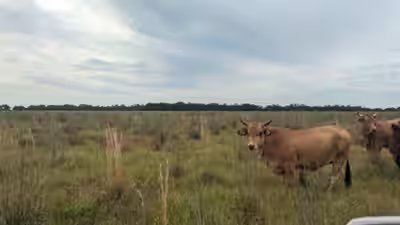
The properties covered by the latest agreements have their own distinct landscapes, with a combination of cattle pastures, wetlands, forests and marshes.The first is Outer Limits Ranch, located in DeSoto County. Spread across approximately 100 acres, the cattle ranch has received a rural lands protection easement worth $425,000. Much of the property consists of improved pasture, alongside two areas of hardwood forest and five smaller depression marshes.While these areas might seem like small features within a working ranch, they also serve an important environmental purpose. The wetlands on the property provide water resource protection, with drainage flowing into the Peace River watershed. This makes the conservation of the land relevant not just to its agricultural use, but also to the surrounding water systems.The second property, Saturiwa, is located in St. Johns County and covers approximately 92 acres. An easement worth $1.939 million has been secured to protect the property from future development. Unlike the two cattle ranches included in the announcement, Saturiwa is particularly notable for its varied natural habitats. The property is bordered along its western perimeter by the mouth of McCullough Creek, where the water flows into the St. Johns River. Its landscape includes upland areas, wetlands and pine flatwoods, with several small cypress domes scattered across the property. There is also a natural transition between the upland and wetland areas as the landscape moves towards the St. Johns River. Much of this habitat consists of pine hardwood bottomland forests, with cypress and bay trees forming part of the surrounding vegetation.
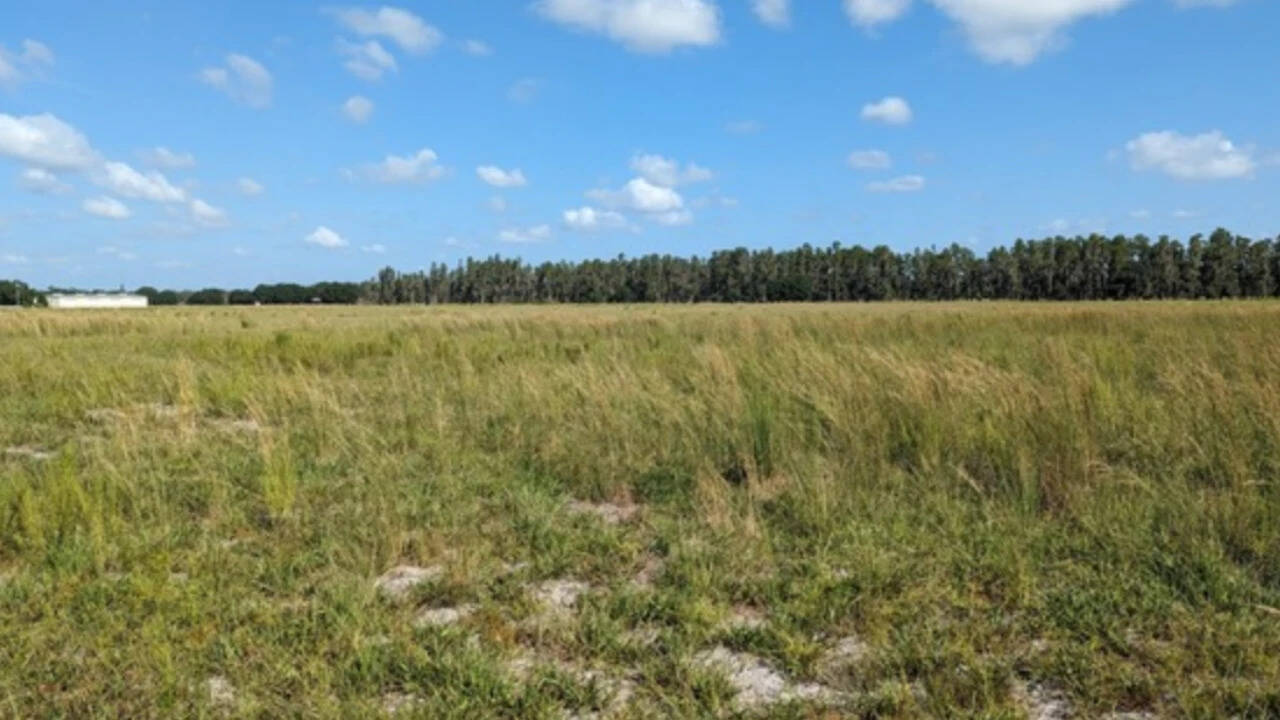
B Bar J Ranch, Florida(Image credit: fdacs.gov)
The third property, B Bar J Ranch, is the largest of the three. Located in Polk County, the approximately 635-acre cattle ranch has been protected through two separate easements amounting to $2.825 million.The ranch is largely made up of improved pasture and fallow orchards, with a smaller portion used for cropland. Its northern section contains several grazing fields and a forested wetland, while the southern parcel is situated next to Lake Buffam Wildlife Refuge. A large freshwater forested wetland also runs through the eastern part of the property, with smaller marshes found along its western boundary.Together, the three properties account for approximately 827 acres of protected land, with the total value of the easements coming to $5.189 million.
Working farms; an important move for conservation
The protection of agricultural land is becoming an important part of conversations around conservation, particularly as growing development pressures can change the way rural landscapes are used. When farmland is converted into residential or commercial spaces, the change is not limited to the loss of land used for growing food or raising livestock. Natural features such as wetlands, wooded areas and open spaces can also be affected.This is where programmes such as Florida’s Rural and Family Lands Protection Program attempt to find a balance. By purchasing development rights rather than the entire property, the state can protect land without having to take over its day-to-day management. Farmers and ranchers can continue their agricultural operations, while restrictions help ensure that the land is not converted into developments that would undermine its conservation purpose.