







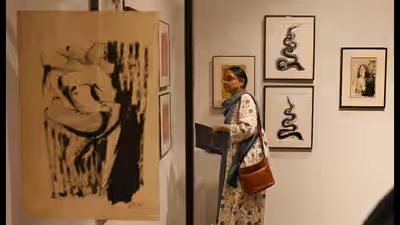
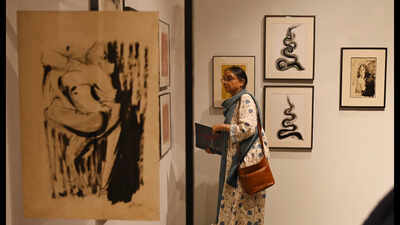
Kanchan Chander didn’t need a canvas to demonstrate her artistry. At the opening of her retrospective earlier this week, The Grammar of the Self, at Bikaner House, curator Kishore Singh, in a playful moment, asked her to show the audience that she could paint. She picked up a brush, dipped it in black paint and with characteristic flair, painted a face – complete with the distinctive nose that has appeared in her work – on the front of his shirt. She then painted a female torso on the back. The impromptu artwork was an apt introduction to an exhibition that brings together five decades of Kanchan’s practice – from early self-portraits and figurative drawings to etchings, prints, mixed-media works and her recent geometric drawings.
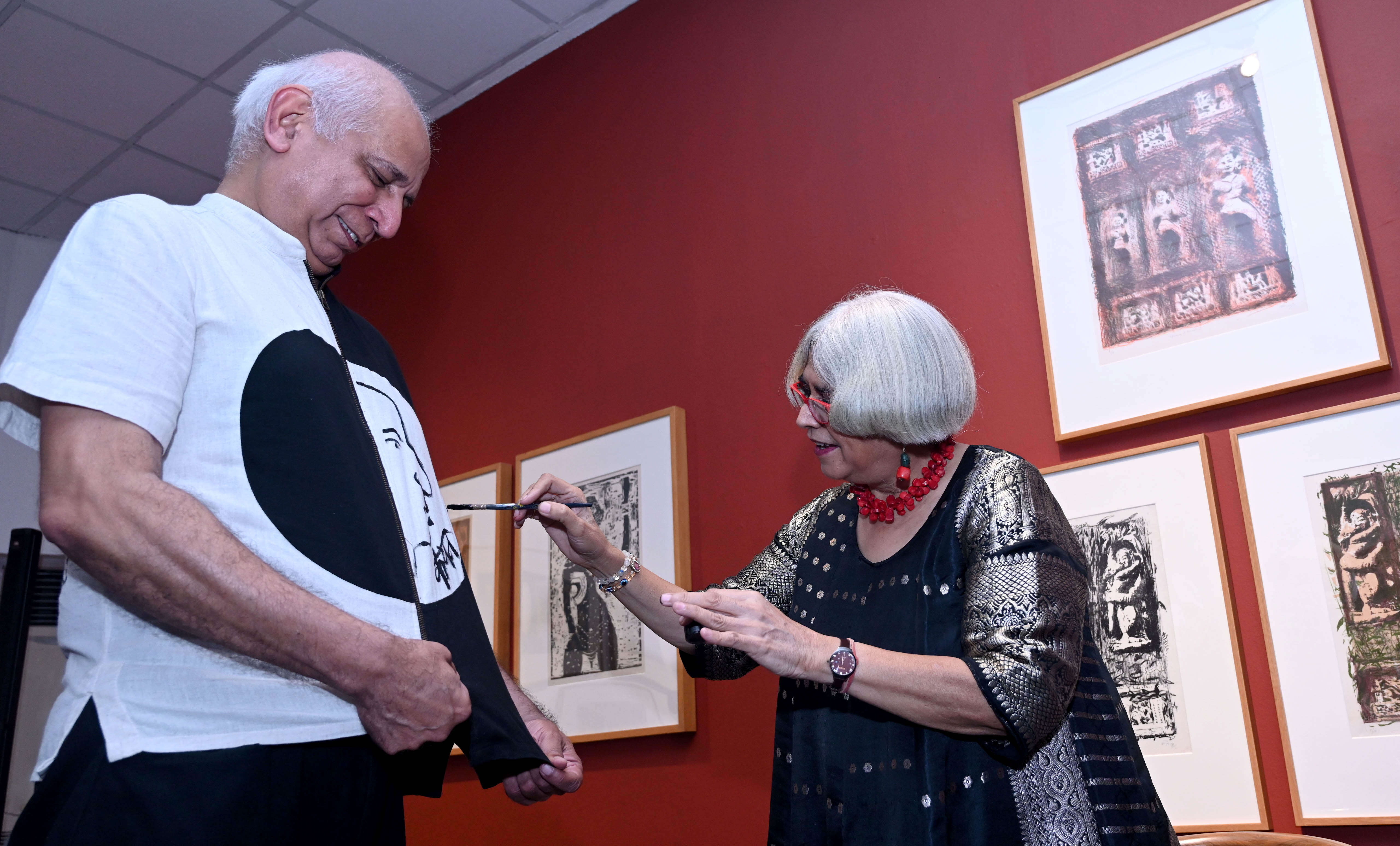
Kanchan Chander paints on curator Kishore Singh’s shirt
Presented by Gallery Ragini, the exhibition unfolds almost like a visual autobiography. It begins with self-portraits that the curator described as “guarded, cautious, reflective, internalised”, then moves through works shaped by personal experiences, travels, and her enduring engagement with the female form.
When I started as an artist life 50 years ago, I was very docile, quiet and a very conscious person. Over the years, I have become a strong, opinionated woman. That’s how my art and I evolved
Kanchan Chander, artist and printmaker
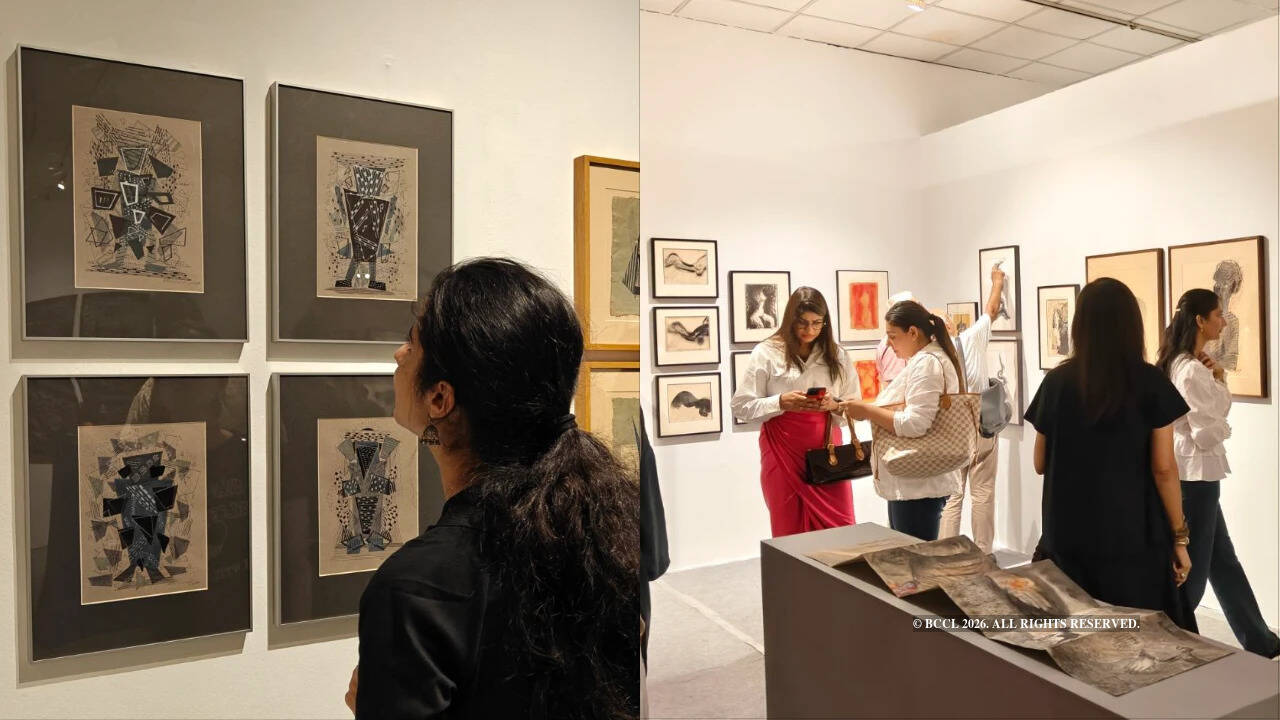
‘The body of work shows that Kanchan has understood that there are infinite possibilities’
Constant evolution of an artist is very important: KanchanFor Kanchan, the retrospective is about evolution – of both the artist and the woman. “The roller-coaster life I’ve had has been reflected here. It is interpreted through the grammar. These are the phases of my life. Right in the beginning, when I was in college, when my brother passed away in 1980. my marriage, which was not a happy one, the birth of my child – all this has been reflected in phases of four or five years in the works, in different forms,” she shared, adding, “I feel the constant evolution of an artist is very important.“
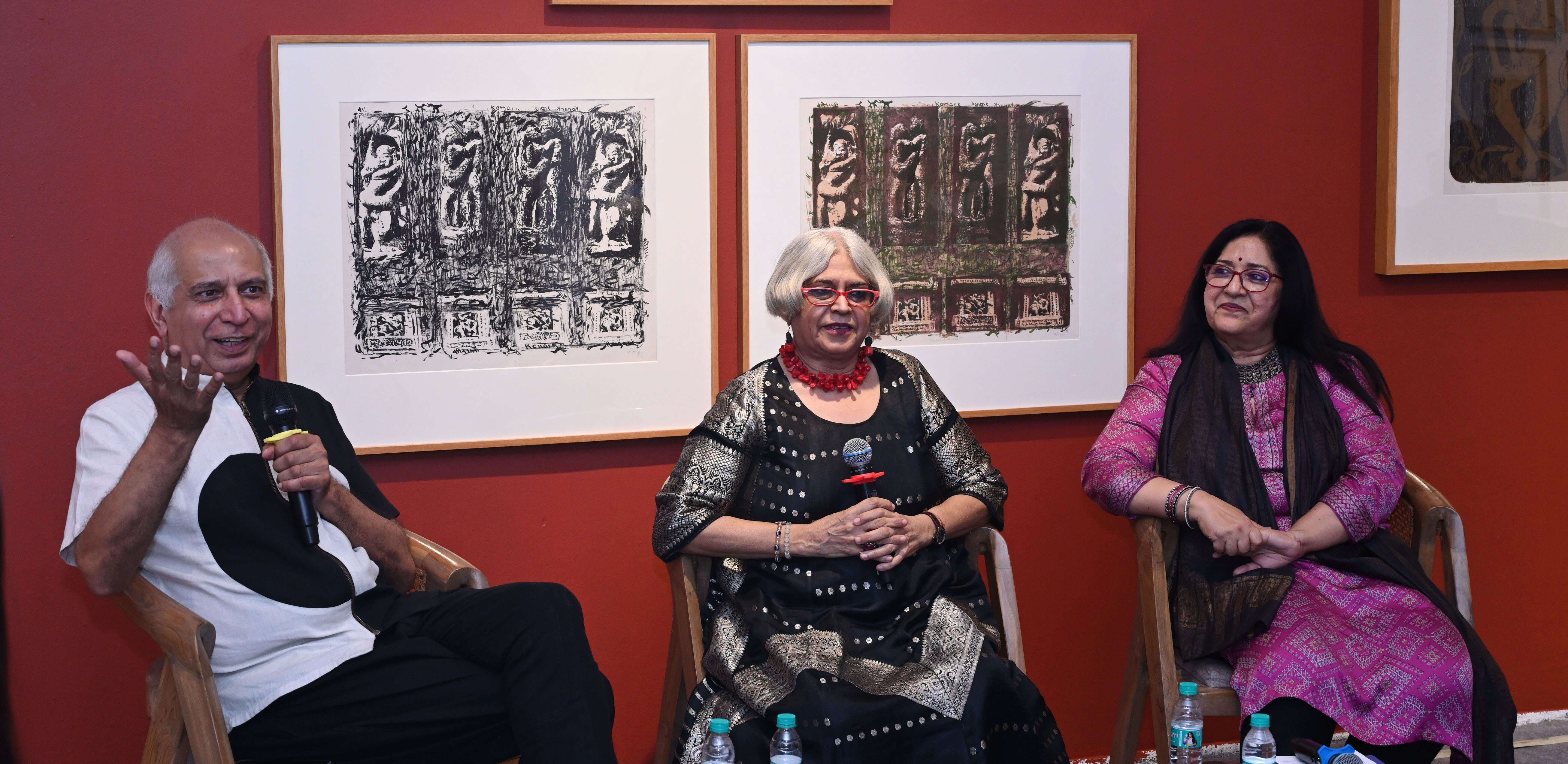
Kishore Singh, Kanchan Chander and Roobina Karode
For Kishore, this ability to transform personal experience without remaining confined to it is central to understanding an artist’s practice. “Kanchan’s visual language is deeply autobiographical without ever becoming self-absorbed,” he observed.
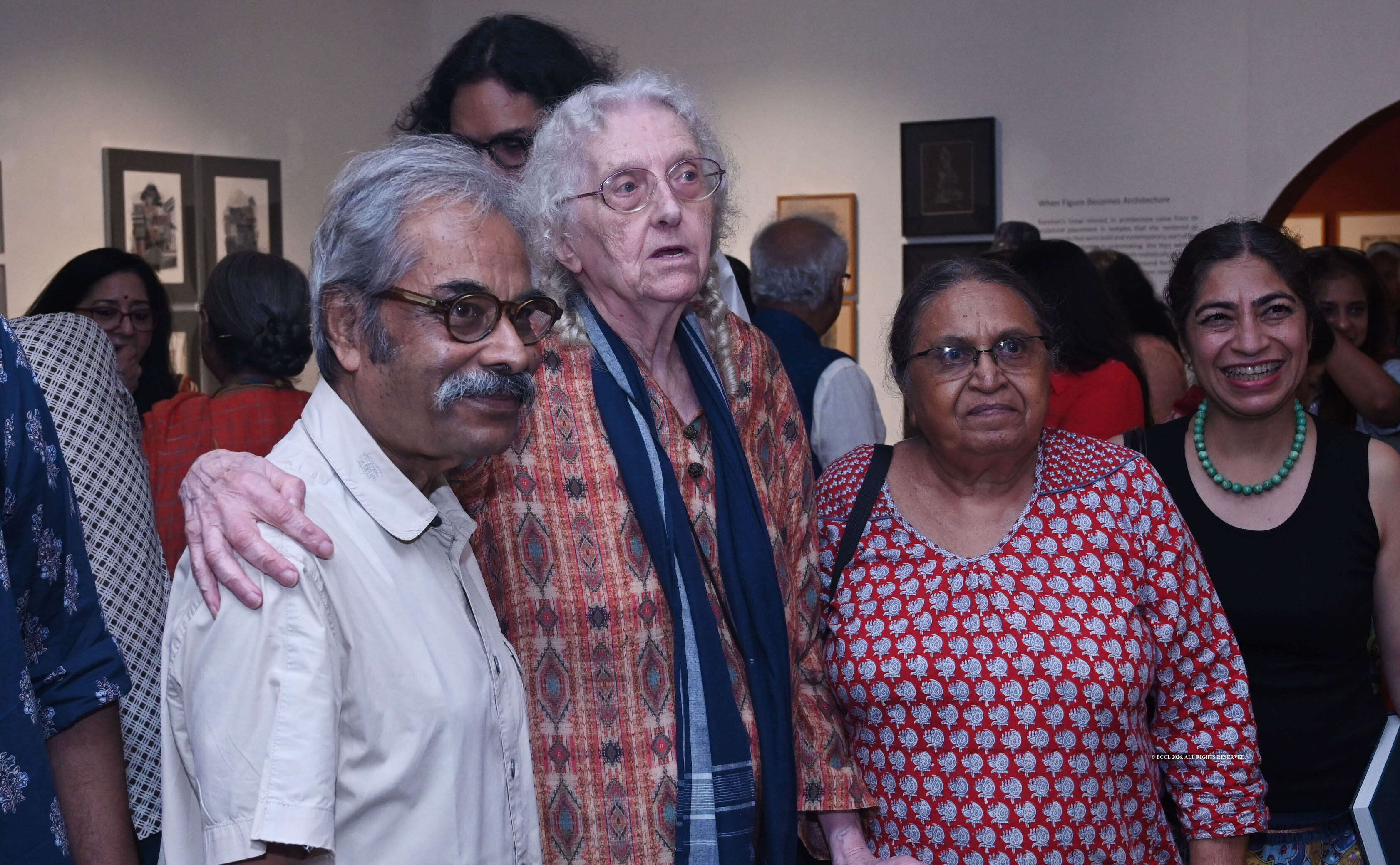
Amitava Das, Maite Delteil and Mona Rai
Art curator Roobina Karode pointed to the breadth of Kanchan’s practice and said, “She used to make elongated or crouching (female) torsos. Then she started making incomplete torsos, and you see how that idea of the incomplete figure keeps translating through her practice. The body of work shows that Kanchan has understood that there are infinite possibilities. And that is perhaps the most important lesson she has learned — that she could be honest to herself, and not jump on any bandwagon. She could shift and move from one mode of drawing to another, and then another.”
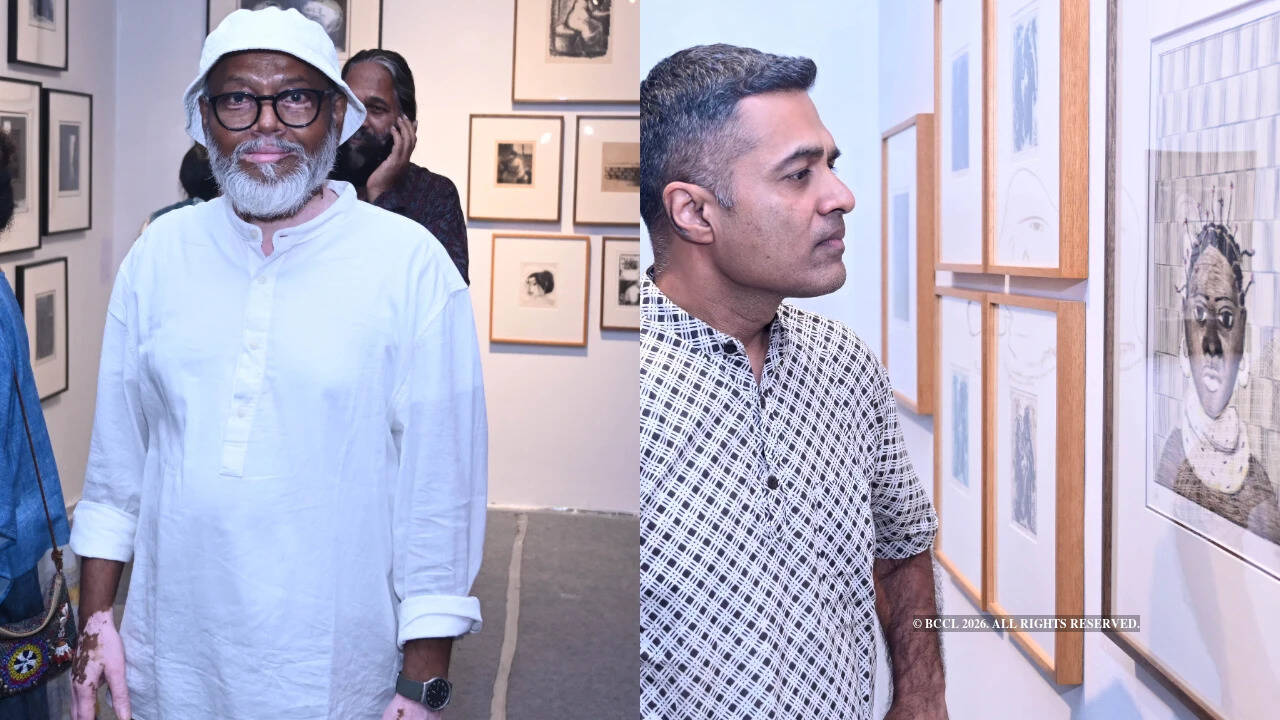
Vipul Kumar and Rahul Kumar
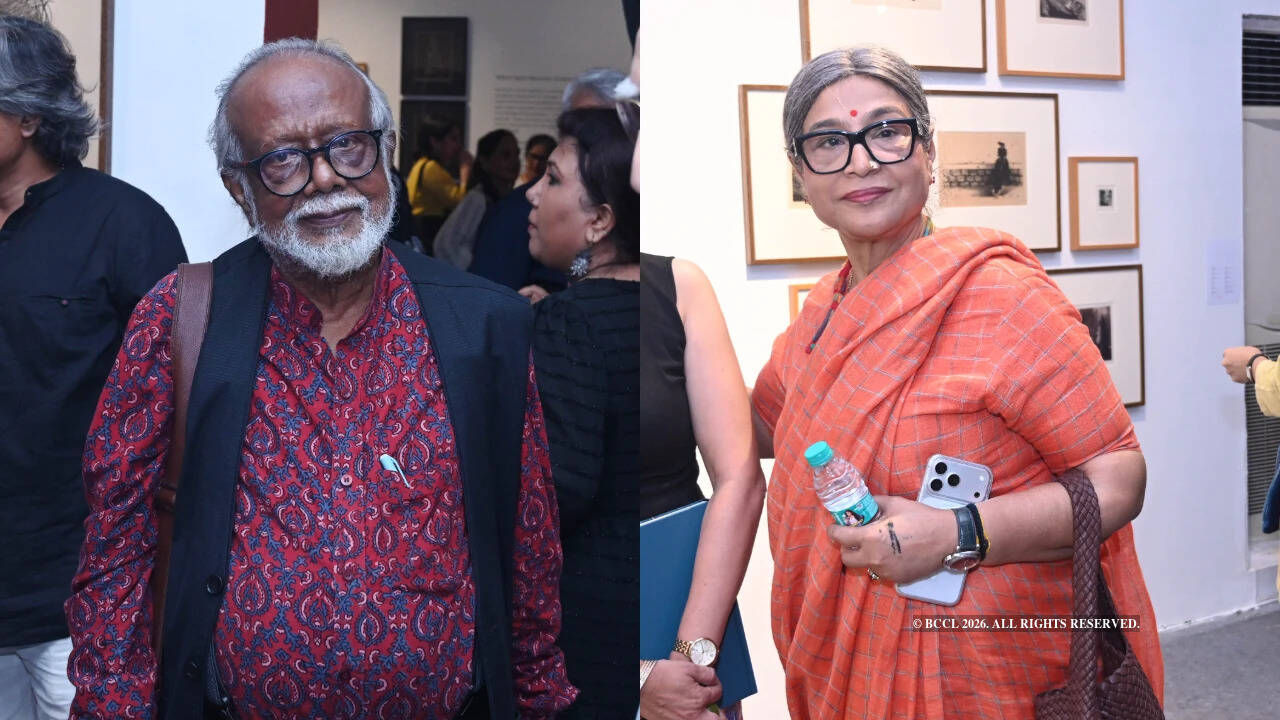
Biman Das and Jayasri Burman
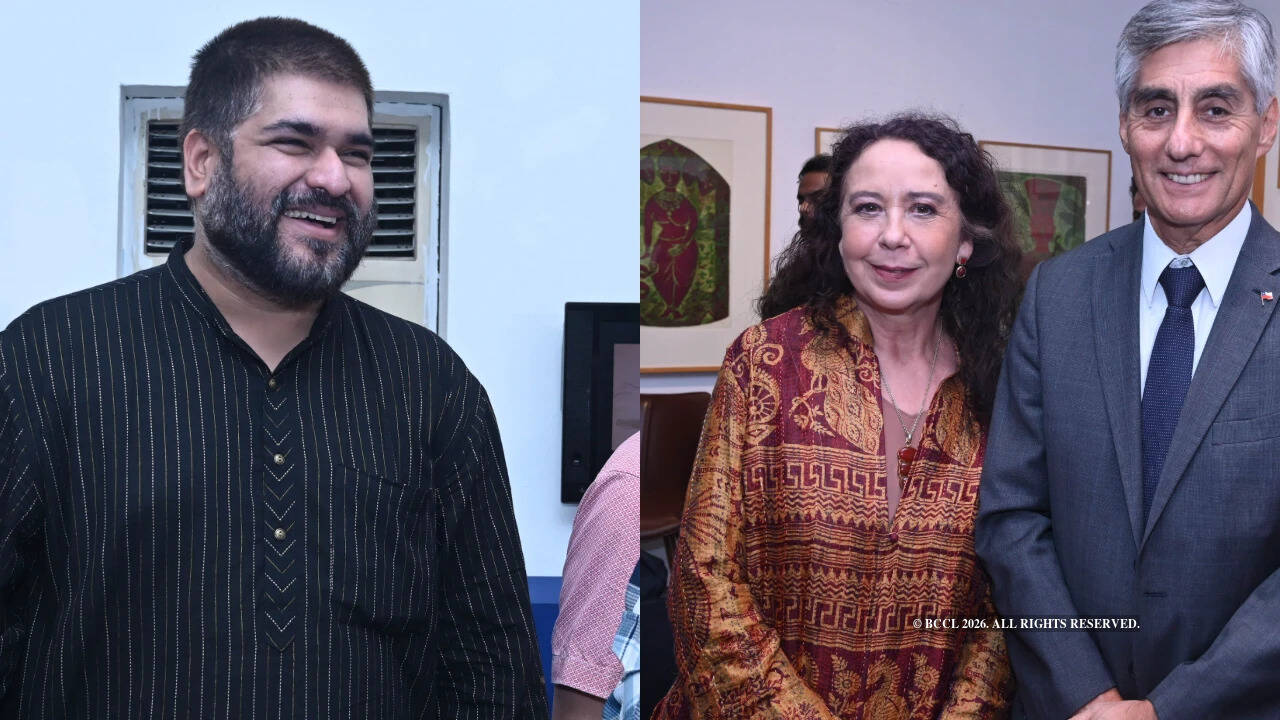
Pallav Chander; Chilean Ambassador Juan Angulo with wife Patricia Vrij