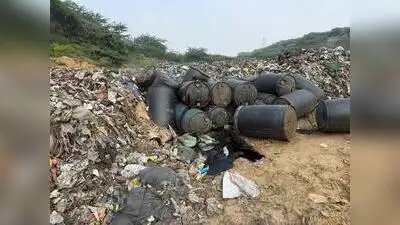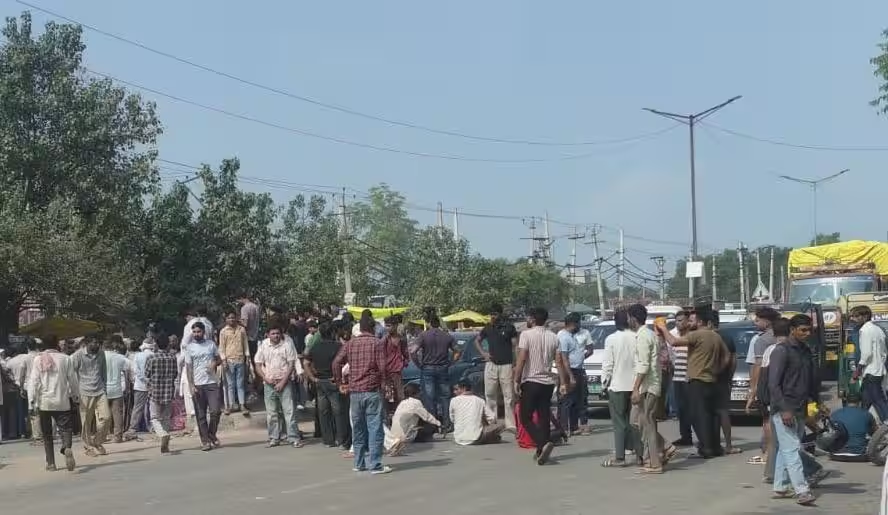










Gurgaon: National Green Tribunal (NGT) has asked Dakshin Haryana Bijli Vitran Nigam (DHBVN) why it has not implemented a joint committee’s recommendation to disconnect electricity supply to illegal industrial units operating in parts of Faridabad. The issue came up before the principal bench of NGT on Sept 17 in a case filed by environment activist Narender Sirohi against Central Pollution Control Board (CPCB) and others.The case concerns alleged illegal industrial activity in several villages of Faridabad, including Saroorpur, Kureshipur, Madalpur, Karnera, Fatehpur Tagah, Nangla, Nekpur, Ghazipur, Kheri Gujran and Bhankri. At the hearing, counsel for the applicant referred to the panel’s recommendations and submitted that DHBVN had not complied with them. The tribunal recorded the submission but did not pass an immediate order directing disconnection. The matter has been listed for Dec 17.The joint committee, constituted by the tribunal, had inspected industrial units in these areas in April and May 2025 to verify allegations of units operating without necessary environmental permissions and causing air and water pollution. The committee comprised representatives of CPCB, Haryana State Pollution Control Board (HSPCB), ministry of environment, forest and climate change and Faridabad district administration.Among its recommendations, the committee had asked DHBVN to disconnect power supply to all illegal industrial units, not grant fresh electricity connections for industrial use in the area and restrict existing connections strictly to sanctioned residential use. It also recommended regular surveillance by MCF and department of town and country planning (DTCP) to ensure illegal industrial operations did not resume.The committee’s recommendation followed inspections that found a range of industrial activities allegedly being carried out in violation of environmental norms. “Apart from the specifically named respondent units, hundreds of other units identified through geo-coordinates were operating in violation of environmental requirements. These industries also use coal in industrial furnaces and burn plastic and metal scrap, with resulting pollution concerns for nearby residents,” said Sirohi, the petitioner.The committee reported findings from its field inspections and made recommendations covering not only electricity supply but also enforcement by civic and planning authorities. It called for illegal industrial operations to be closed and for periodic inspections to prevent them from restarting.HSPCB has since reported action against some of the units covered by the proceedings. In an action-taken report filed before the tribunal, the board said, for example, that Neha Forgings had been dismantled after its plant and machinery were sealed, while Falak Forgings had its plant and machinery sealed. The report records that these units did not have consent to establish or consent to operate.TOI on Wednesday highlighted that industrial units are operating in the city from areas with residential settlements in Daultabad, Basai and Kadipur. Residents had complained of smoke, dust and pungent odours, while a ground visit found several units operating beyond those reflected in HSPCB records. The report also highlighted complaints that some units did not appear to have proper electricity connections.