




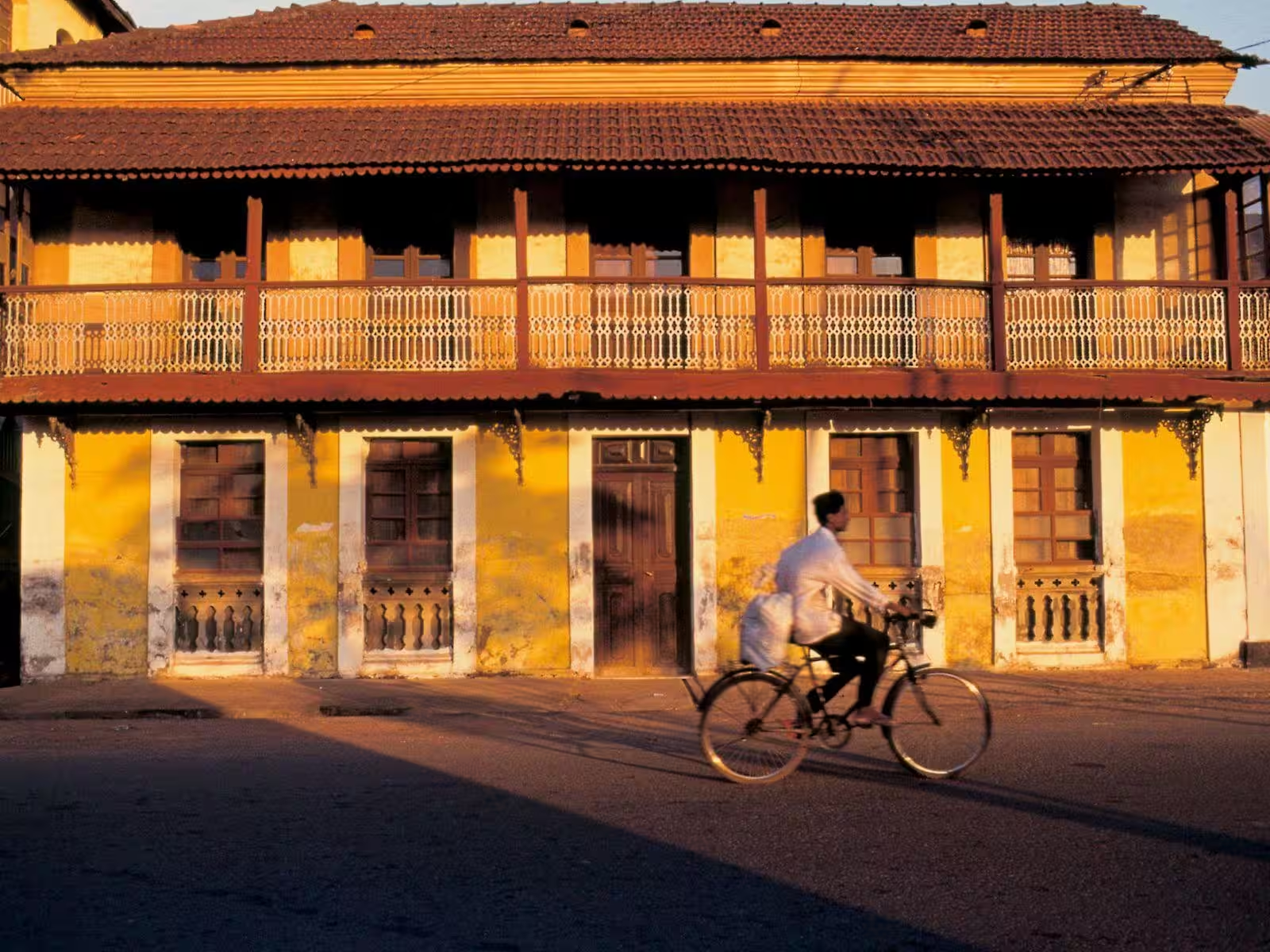
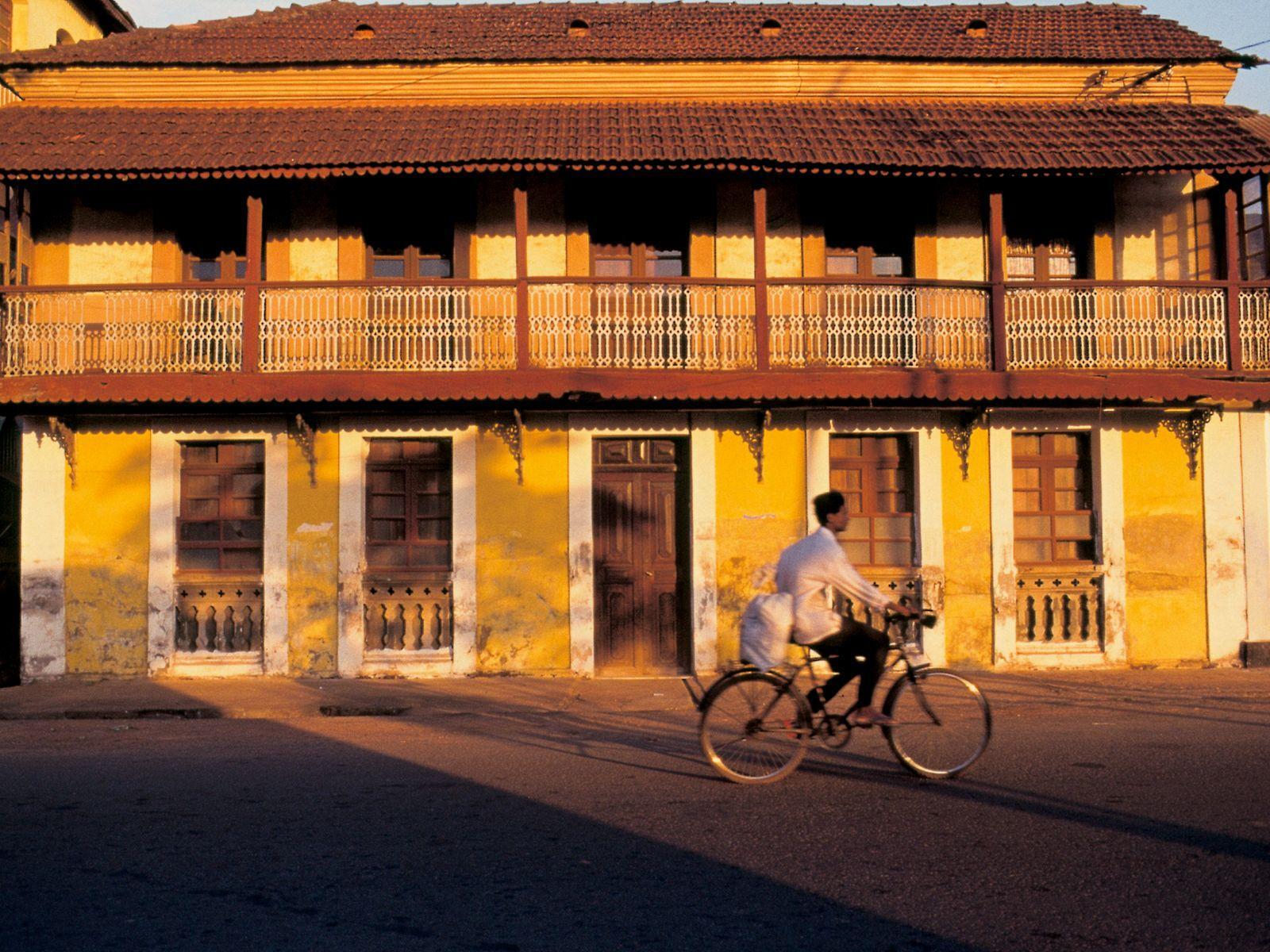
Panaji: Supported by the Consulate General of Portugal in Goa, Portuguese photographer Ines Gonsalves is going to be back in India after 22 years — this time carrying back a record of the Goa she once lived alongside, not the one that appears on postcards.This week in Panaji, her collection has returned to public view through ‘Still/Goa: A Place in its People’, bringing those photographs back into focus and back to where they were made.“In a world that is moving as fast as ours, being asked to simply look, and keep looking, is its own kind of luxury. So I hope that’s what this exhibition gives you: the pleasure of a beautifully made image, and the small delight of recognizing — maybe someone you know, a street, a light, your own door,” the consul general of Portugal in Goa, ambassador Maria Manuela de Macedo Franco, said while speaking at the opening at Sunaparanta Goa Centre for the Arts, on Friday..Between 1994 and 2004, Gonsalves shot around 5,000 photographs and 80 hours of film, building an archive of everyday life: homes, families, Goan rituals and landscapes. She was drawn to how colonial history lingered not as a distant chapter, but as something intimate and lived.“The Portuguese presence had left very visible traces — architecture, religion, names, food, language, domestic traditions — but these had been absorbed, transformed and sometimes resisted by Goans over centuries. I was Portuguese, but I had grown up in a country where the colonial past was already distant and largely absent from everyday life. In Goa, history was not distant at all. It was inside people’s homes and memories,” Gonsalves said.Instead of framing Goa through its monuments, she pointed her camera toward the ordinary — an approach that shaped both her images and the questions behind them. “I wanted to see how history was present in everyday life, rather than only in monuments or official narratives — a person sitting outside a house, an interior, a gesture, a street,” she told TOI.The intent was never preservation for its own sake, she said, but attention — witnessing a place as it moved through change. “We weren’t trying to save a Goa that we imagined to be better or purer. We were trying to understand a place at a moment of transition. Today, those ordinary moments have become, in a way, historical documents,” she said.Much of that work later formed the basis of ‘Goa, Historia de um Encontro’ (Goa, a story of an encounter), published in 2001 with writer Catarina Portas.Now, with more than two decades between the images and the present day, Gonsalves is back with a new curiosity: what became of the people and places she photographed. Her return, she insists, is not a referendum on what Goa is now, nor a nostalgic comparison. “I don’t want to return to judge today’s Goa against the Goa I photographed 30 years ago. I want to return to discover what happened to it,” she said.What she is looking for, she adds, is not stasis but continuity — change that doesn’t flatten what makes a place recognisable to itself.“What I hope is that Goa can continue to change — as every living place must — without losing the layers of memory, culture and everyday life that make it distinctive. I wouldn’t ask Goa to remain as it was. That would be impossible, and probably undesirable. I would ask whether development can happen without erasing the memory and character of the places where people actually live,” she said.