








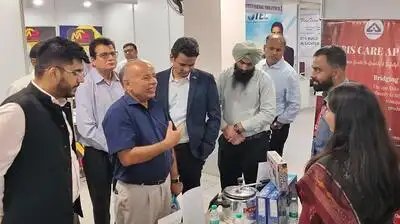
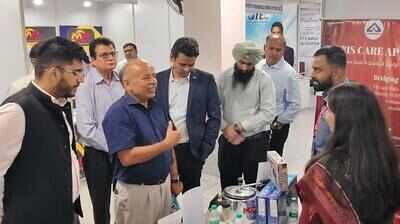
Gurgaon: Gurgaon-Manesar’s auto-component MSMEs are being urged to prepare for the electric vehicle transition as India’s EV market expands rapidly. A two-day vendor development programme on EV components at ICAT, Manesar, connects MSMEs with automakers, CPSEs and govt agencies and explains emerging demand, procurement processes, technical standards and govt support.India sold about 22.7 lakh EVs in 2025, accounting for around 8% of new vehicle registrations, with two- and three-wheelers driving most of the growth. Yet EV adoption in the city remains relatively low, with 3,670 pure EVs registered in 2025.For the region’s established auto-component base, the transition offers an opportunity to diversify into batteries, battery-management systems, charging equipment, electronics and other EV components. The programme is expected to help local MSMEs understand the changing market and identify opportunities to enter the EV supply chain.The programme, organised with MSME-DFO, Karnal, sought to connect local MSMEs with OEMs, CPSEs and govt agencies, while explaining emerging demand, procurement requirements, technology, standards and certification. Around 66 stalls were set up, drawing more than 1,000 visitors, organisers said.“The coming years will belong to electric vehicles. MSMEs that prepare themselves for this transition now will have opportunities to expand their businesses,” said PFTI chairman Deepak Maini.For suppliers, however, entering the EV chain involves more than developing a new product — compliance and quality standards are becoming critical to winning OEM business. Bureau of Indian Standards (BIS), which participated in the programme, briefed manufacturers on applicable Indian standards, mandatory certification and quality-control requirements for EV components.“Standards should not be seen as a barrier or a problem, but as a means to improve quality, safety and reliability,” said Sukh Chain Singh, project officer, Haryana Renewable Energy Development Agency/New and Renewable Energy Department.For Gurgaon’s MSMEs, the bigger test now is whether such programmes translate into vendor approvals and purchase orders. The region’s existing automotive ecosystem gives its suppliers a head start — but only if they move quickly into the new component categories. The transition, in other words, is not simply about making electric vehicles; it is about deciding which local suppliers will continue to make money from the automobile after the engine disappears.