
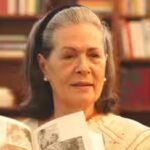




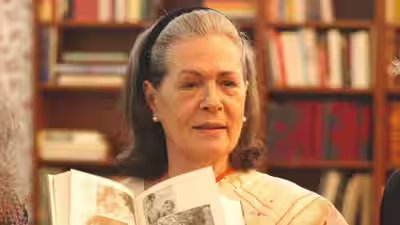
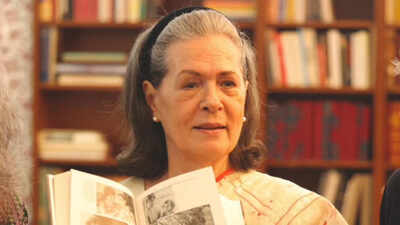
NEW DELHI: Congress Parliamentary Party chairperson Sonia Gandhi has described the imposition of the Emergency as a mistake, saying she believes her mother-in-law and then prime minister Indira Gandhi eventually came to regret the decision.The Congress leader in her upcoming book “Belonging: A Journey of Love” also writes that keeping Sanjay Gandhi “in check” could have prevented much of the damage that followed the imposition of the Emergency, according to her interview with The Guardian ahead of the book’s release.“I always feel that Mrs (Indira) Gandhi was a democrat at heart,” Sonia told the British daily. “I know that many would laugh at this, but I believe she was never comfortable in the course of the emergency. I think it was sitting heavy on her,” she added.How the Emergency divided the Gandhi familyAccording to The Guardian, Sonia recalled that the decision to impose the Emergency divided the family.Her husband, Rajiv Gandhi, had reportedly advised his mother to wait until the next election, while Sanjay argued that the opposition would destroy her and had to be stopped.Sonia said the disagreement also created tensions within the family, as Rajiv tried to confront his mother but she refused to listen.“Keeping Sanjay in check could have prevented much of the damage that followed,” she wrote in the book, according to The Guardian.In a separate interview with The Hindu, published on Saturday, Sonia said Sanjay was not the only person who influenced the decision.She pointed to pressure from some of Indira’s senior colleagues and said few people around the then prime minister shared Rajiv’s views.“It was not only Sanjay, though in the public mind he is often seen as synonymous with the Emergency. There was a lot of pressure from some of her senior colleagues, and I think there were very few people around her like Rajiv who had a different point of view,” she said.“I think eventually my mother-in-law began to understand the situation through her own wisdom and took actions to remedy it,” she added.Indira later acknowledged Emergency excessesSonia said she became aware of the full gravity of the events only after the Emergency ended. While acknowledging that democratic rights had been curtailed and habeas corpus suspended, she said the measures had been taken constitutionally.“It was only after the Emergency that I came to know the true gravity of what had been happening. Yes, democratic rights had been curtailed and there was a suspension of habeas corpus, but it was done constitutionally,” she said.Looking back, Sonia said Indira had been struggling to deal with the deteriorating situation at the time.“Yet, when I take myself back to that period and try and see it from Mrs Indira Gandhi’s point of view, I see her struggling to cope with the rapidly deteriorating prevailing circumstances: violent protests, government offices and public transport set on fire, widespread organised unrest and even a call for the bureaucracy and armed forces to disobey orders,” she said.Sonia said hindsight helped put the events into perspective. She also pointed out that Indira later called elections and publicly expressed regret over the excesses committed during the Emergency.“And you know very well that she herself later publicly expressed regret and apologised for excesses during the Emergency,” she said.Sonia recalls Babri mosque demolitionIn her interview with The Guardian, Sonia also recalled crying as she watched the Babri mosque being demolished in December 1992.She said the incident made her realise that the country faced “a long battle for the secular nation that Mahatma Gandhi, Nehru and their colleagues had strived to build”, the British daily reported.Sonia also acknowledged that the Congress had, in part, contributed to the rise of the BJP and its hardline Hindutva politics.
Share your thoughts in the comments
Be respectful · TOI community guidelines
“I think we have been too complacent in many ways. There was a laissez-faire kind of an attitude,” she said.Indira Gandhi imposed the Emergency shortly before midnight on June 25, 1975. President Fakhruddin Ali Ahmed issued the proclamation on her recommendation, and the Union Cabinet later ratified it.On January 18, 1977, Indira announced fresh Lok Sabha elections and released political prisoners. She and Sanjay Gandhi were defeated in the March 1977 elections. The Emergency officially ended on March 21, 1977.