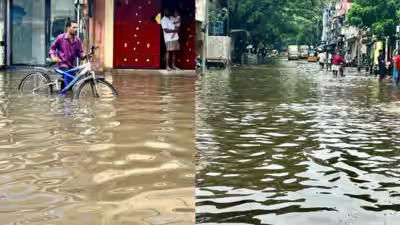









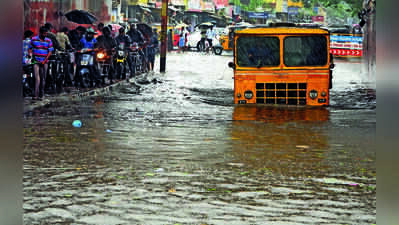
Tamil Nadu should prepare simultaneously for floods, drought, heat stress, water scarcity and coastal hazards as strong El Nino conditions are expected to persist through late 2026 and early 2027, an expert advisory committee constituted by the state govt has said.The panel, formed to assess the potential impact of El Nino, has advised the govt to adopt a multi-hazard, scenario-based and forecast-informed approach instead of treating the phenomenon solely as a drought risk.“El Nino raises the odds of certain risks, and Tamil Nadu is taking that seriously,” said Ramesh Ramachandran, a member of the committee and founder-director of the National Centre for Sustainable Coastal Management. “Beyond the concerns around rainfall and heat, our coast and marine life face a longer, quieter risk window stretching into 2027, touching coral reefs and fisheries. One reassurance is that the cyclone risk this season looks close to normal, not heightened,” he said.The committee submitted its preliminary recommendations to chief minister C Joseph Vijay on Tuesday. Its recommendations to the departments have been divided into three-time horizons: measures to be completed before the 2026 northeast monsoon, steps to be taken before summer 2027, and longer-term actions over the next three to five years.For the water resources department, the committee has recommended pre-monsoon inspections of water bodies, emergency repairs, desilting, mapping of drainage chains and forecast-informed reservoir operations. The Tamil Nadu State Disaster Risk Reduction Agency should use drones for surveillance, search and rescue, and rapid damage assessment. Warnings should be disseminated through the media, the committee said.The state govt is moving towards vulnerability and hazard-based planning, said B Chandra Mohan, commissioner of revenue administration and disaster management. “Hazard mapping is being used to identify specific locations at risk and calibrate preparedness to the scale of vulnerability, including mitigation,” he said. While Chennai and Cuddalore will focus on urban flooding, Dindigul, Coimbatore and the Nilgiris will prepare for intense rainfall, landslides, slope instability and other risks associated with hilly terrain.Among other things, urban local bodies have been advised to secure alternative sources of drinking water. The panel has also recommended strengthening early-warning systems for farmers ahead of the northeast monsoon. Before summer 2027, the govt should encourage the cultivation of drought-tolerant crops. Over the next three to five years, the committee has recommended basin-scale water accounting, a centralised disaster data hub, climate-resilient infrastructure, wetland restoration and protocols for green building infrastructure.