






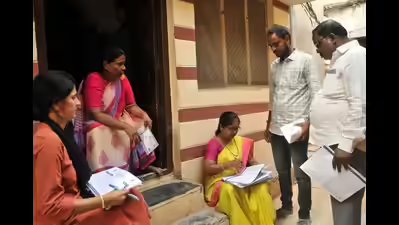
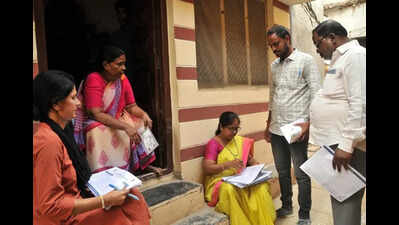
Hyderabad: The Telangana govt, following the release of the SEEEPC (Social, Educational, Employment, Political and Caste) survey reports and the backwardness rankings, has taken a significant step by distributing these findings to all relevant departments. They have been asked to thoroughly analyse the data and propose measures tailored to each community, taking into account both their level of backwardness and population size.Sources indicate that some departments have already submitted their feedback. A plan is also in place to implement targeted interventions based on the feedback received.The govt has also requested each department to report on how existing schemes can be reformed and what new measures should be introduced based on the backwardness of the population within their jurisdiction. The aim is to design development programmes based on a ‘targeted population base’ to ensure that welfare benefits reach the most disadvantaged sections directly.Departments such as Civil Supplies, Agriculture, and Housing have been asked to match their beneficiary lists with survey data and make necessary revisions.According to Kanche Iliah, vice-chairman of the independent group on the survey, the Telangana caste survey has highlighted the idea that Indian democracy cannot base its welfare model on the individualistic welfare framework of the West, at least until the caste-based social structure disintegrates. He said welfare must focus on caste as a collective unit. The report, he added, demonstrates why caste should be considered a key component in democratic welfare policy.Interestingly, in the survey, approximately 2 lakh respondents indicated that they do not identify with any of the 245 listed castes. Instead, their information was classified under ‘other caste’. This group is distinct from those in the ‘no caste’ category, who may belong to one of the listed castes but chose not to disclose it. This distinction highlights two different responses: one from individuals rejecting identification within the listed castes, and another from those not fitting into any listed group.This raises questions about the identity of those classified under ‘other caste’, which may include migrant workers or residents from other states whose castes are not represented in the survey’s caste codes.MSID:: 130582185 413 |