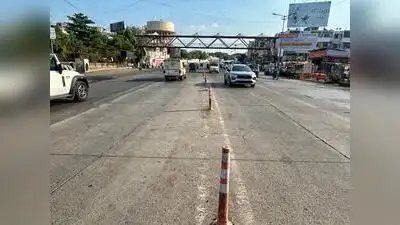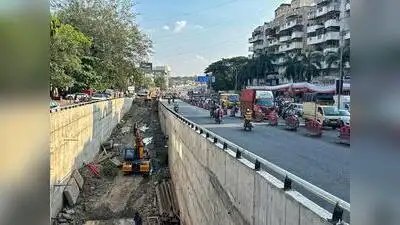







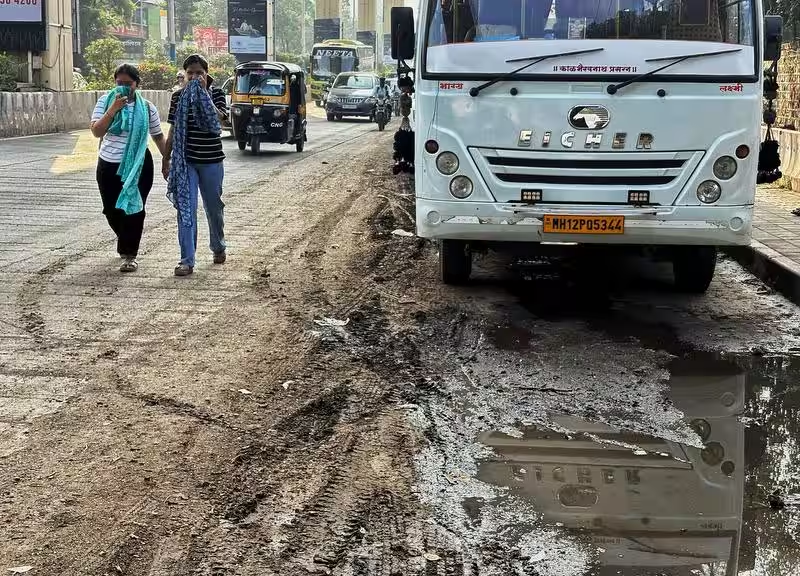
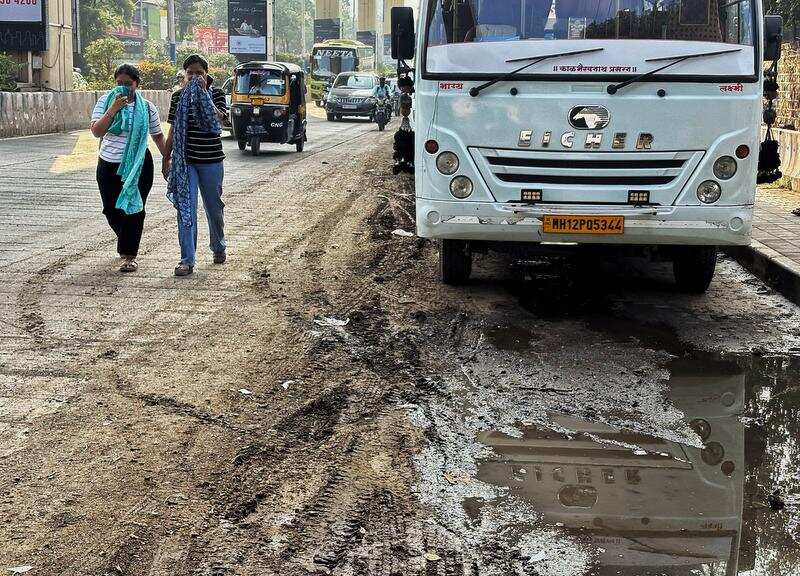
Pune: The Kothrud garbage depot makes it presence felt long before it comes into view, with its stench wafting for several meters around it.The all-pervasive odour is not just a perennial pain point for residents in the vicinity, but also for commuters plying on the stretch, more so because of the overflowing leachate rendering the road a slippery mess. The depot was technically handed over by Pune Municipal Corporation (PMC) to Maharashtra Metro Rail Corporation Limited (Maha Metro) for a maintenance yard and commercial building back in 2019. However, the lack of alternative premises around where garbage can be segregated has prolonged the depot’s use — making it a never-ending issue for residents. Assault on senses Kothrud garbage depot was established in the 1970s, but nearby residents said the stench is a byproduct of more recent times and is only getting worse by the year. “We have now been forced to become accustomed to the smell. There is also a drainage issue here adding to the stink,” said Vilas Chavan, who has lived behind the depot for over 30 years. “Many people own homes here and renting elsewhere would be expensive,” the retired real estate agent added. Ameya Balkawade, who lives on the opposite side of the depot said, “We have thought about leaving and finding a home elsewhere many times, but not only would the cost be huge, selling property here has become difficult because of the smell and dirt. It’s not easy now. The situation was a lot better when the depot had not been handed over to Maha Metro. Since then, all the waste is segregated on the roadside and not inside.” The advocate added, “The situation deteriorates in the monsoon. Waste mixes with rainwater and forms leachate, making the road slippery and worsening the odour. In 2019, when the city saw flooding, all the waste flowed into our homes from across the road, since we are at a slightly lower level than the depot.” At the time of the handover, PMC had also arranged to shift waste management from the depot to another site in Bavdhan. However, because of land acquisition hurdles, waste continues to be segregated at the Kothrud depot, but only on the ramp. Residents said the current space is inadequate as the population in the area has risen exponentially, not just because of rampant redevelopment in Kothrud but also innumerable projects coming up across Bavdhan. Owing to this, one can find trash scattered across several main roads and bylanes in localities of Kothrud, Bavdhan, Paud Road, Warje and neighbouring areas, but garbage trucks filled to the brim are also always stationed outside the depot. Road to a nightmare The heavy vehicle density plying on the stretch reduces available road width, while waste and water drip from trucks, making the road slippery and dirty. Accidents have become a common feature here and many commuters tend to avoid the route, choosing to take a longer way to their destinations. “Riding a two-wheeler here, especially when it is raining, is dangerous,” said Raksha Chowdhary, an insurance advisor and real estate property manager. “I often travel from Bavdhan to Vanaz Metro station. Whether I take my two-wheeler, go by auto or in a car, the stench is overpowering. There were so many plans for this depot, all in the works for years now — but we can’t see any change,” she added. Another commuter, business consultant and Bavdhan resident Ashutosh Sathe, said, “Dirty water leaking from garbage trucks makes the road surface oily, smelly and slippery. Riding a bike here is very risky. I have seen multiple two-wheelers sliding, resulting in injuries.” Meanwhile, work on the Vanaz-Chandni Chowk Metro extension is also going on here. “This work has further narrowed the carriageway width. Large garbage trucks and cars get stuck in traffic snarls for hours on end. Between the horrible smell, slippery surface, heavy dust clouds, and endless traffic delays, this route has become nothing but a headache,” added Sathe. Focus on decentralisation Santosh Varule, deputy commissioner of PMC’s solid waste management department, said, “We are working to decentralise the system and are in the process of identifying smaller spaces, where lesser amounts of waste can be segregated and then transferred or processed. The depot is important and closing it will have a big impact on the waste management system of the entire area.” He added, “The alternative site in Bavdhan was not large enough as the quantity of waste generated in collection areas has increased. There is no other option right now to move the waste transfer station on an urgent basis. There is also no other depot nearby to send the vehicles to either. We are trying to reduce the burden on Kothrud depot and move collected waste in instalments. If waste is taken to the processing site directly, the cost of running vehicles will increase exponentially.” Experts in the field agree. Manju Tadwalkar, director of Inora Biotech, an environment solutions company, said, “Decentralisation is crucial for resolving the bottlenecks seen at overloaded facilities like the Kothrud depot. By processing wet waste at the bulk-generator level, (housing societies and commercial hubs), up to 50–60% of municipal waste would never enter the transportation pipeline. It would also reduces the number of heavy vehicles queued on main road and eliminate carriageway blockages, leachate spillage, and road safety hazards.” Listing out further solutions, Tadwalkar added, “PMC officials can implement localised depot management strategies like integrating waste planning in the redevelopment plan in a bid to tackle spillage, road congestion and odour. They have already done this, but on-ground inspections need to be done to verify if it is being followed.” “They must also use microbial sprays at the depot site to instantly break down odour-causing organic compounds and control stench as well as implement strict time slots for collection trucks to avoid queueing. These trucks must have sealed leachate collection trays and covered bodies before entering the public carriageway to stop any kind of spillage,” she added.