










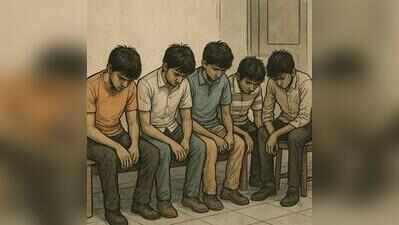
Pune: Chief minister Devendra Fadnavis on Tuesday said in the assembly that the Maharashtra govt would urge the Centre to lower the age from 18 years to 16 for trying juveniles involved in heinous crimes, look at invoking MCOCA against gangs that recruit children for organised crime and set up a high-level committee to study the growing involvement of youngsters in serious offences.Child rights activists welcomed the move, but said tougher laws alone would not solve the problem. Instead, they called for stronger efforts to prevent school dropouts, expand community-based support systems and intervene before children enter the criminal justice system.Project officer of Resource Cell for Juvenile Justice Vijay Baviskar said it had become routine practice for criminals to use children to do their bidding, knowing the law protected them from harsh punishments. Also, he said, he was not sure how much invoking MCOCA against gangs would help.“Children usually refuse to name the criminals they have worked for and do so only when counsellors build trust over time. The current laws have provisions that can be invoked for recruiting children to commit crimes, but how many times is it used? Additionally, the definition of heinous crimes under MCOCA would need to change to incorporate actions that adults force children to do,” he said.Activists working with children in conflict with law said the age of committing crimes is decreasing steadily and how many times would the minimum age to try minors as adults be revised?Sanjay Kadam, a counsellor with NGO Foundation for Child Protection-Muskaan, said, “We have children as young as 12 years committing crimes. Lowering the age to be tried as an adult is not a solution. We need a holistic approach to ensure children do not skip school, have support systems for vulnerable kids to grow up in a safe environment and an ecosystem of rehabilitation if they commit a crime once, to ensure they don’t return to that life.”Latest national data showed that adolescents aged 16-18 years accounted for nearly 78% of all juveniles apprehended in 2024 (33,129 of 42,633). In Maharashtra, most apprehended juveniles were dropouts and 2,410 of the 4,768 juveniles were educated only up to below the matriculation level. City-wise data also pointed to the severity of offences. In 2024, Pune recorded the highest number of juvenile attempt-to-murder cases (30), Mumbai led in Pocso cases (48) involving juveniles, while Nagpur reported 91 offences affecting the human body, including 68 cases of grievous hurt.Kadam said excessive exposure to media, uncensored content glorifying violence and unchecked use of cellphones among children not mature enough to separate right from wrong was making them move towards violence. “Post-Covid, we have seen an increase in children involved in heinous crimes. Even adults, for that matter. At this rate, we are not far from mass shootings in schools, etc. We need strong school and social welfare systems so that when something goes wrong, the systems are held responsible for failing the child,” he said. Kadam also blamed the media for its selective outrage on matters.National dataA total of 34,878 cases were registered against juveniles in 2024 — an increase of 11.2% over 31,365 cases in 2023. The crime rate increased from 7.1 in 2023 to 7.9 in 2024. A total of 42,633 juveniles were apprehended in 34,878 cases, of which 34,648 were under cases of IPC and BNS. As many as 7,985 juveniles were apprehended under SLL in 2024.Majority of juveniles in conflict with law apprehended under IPC and BNS as well as SLL crimes were in the age group of 16-18 years (77.7%) — 33,129 out of 42,633 — in 2024.