




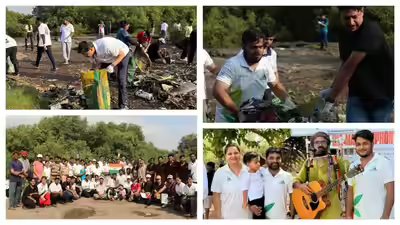
What began during the COVID-19 lockdown with just three citizens disturbed by the sight of marine crabs trapped in plastic waste has today transformed into one of Maharashtra’s largest community-led environmental movements. The recently held Mangrove Cleanup Drive marked 300 consecutive weeks of coastal restoration work, bringing together volunteers, environmentalists and activists in a landmark celebration at Karave Jetty in Navi Mumbai.Led by environmental activist Dharmesh Barai and his team, the initiative has mobilised over 1.25 lakh volunteers and removed more than 1,200 tonnes of solid waste from the mangroves and coastal belts of Navi Mumbai, Mumbai, Thane and Raigad since its inception on August 15, 2020. FROM THREE VOLUNTEERS TO A STATEWIDE MOVEMENT The movement began when Dharmesh Barai, along with Shriram Shankar and Rohan Bhosale, witnessed marine life struggling amid plastic waste near Nerul Jetty during the lockdown. Disturbed by the growing pollution, the trio launched a cleanup mission at Karave Jetty — one that has continued every Sunday without a break for nearly six years. Rain or shine, the group, now known as the “Mangrove Soldiers”, has dedicated Sundays from 7 am to 10 am to removing deeply embedded waste ranging from plastic packaging and medical waste to discarded furniture and mattresses. On the landmark 300th week, volunteers cleared a massive stretch of mangroves, filling an entire truckload with non-biodegradable waste. ENVIRONMENTALISTS AND ARTISTS JOIN THE MEGA DRIVE The milestone drive witnessed participation from several environmentalists, social workers and public figures who joined volunteers in the cleanup effort. Among them was Pune-based river rejuvenation activist Swapnil Thakur, who survived a severe accident involving nine bone fractures and credits nature and riverbanks for helping him heal. To mark the occasion, he performed original songs centred on the importance of rivers and waterways. Actor and television host Freishia B, who also co-founded the Carter Cleanup initiative, stepped into the muddy mangroves as a volunteer and urged both citizens and authorities to adopt sustainable waste disposal systems. She stressed the need to ensure garbage reaches recycling plants instead of polluting rivers and coastlines. Environmental mentor Nandkumar Vaman Pawar highlighted the urgent need for integrated protection of wetlands, coastal ecosystems and mountain regions, while environmentalist Brian J. Phillips praised the team’s consistency and commitment towards preserving coastal biodiversity. ‘300 WEEKS IS NOT JUST A NUMBER’ Before the cleanup began, Barai addressed volunteers on the importance of mangroves in protecting coastal cities from flooding and sustaining marine biodiversity. Reflecting on the movement’s journey alongside co-founders Shriram Shankar, Rohan Bhosale and Head Coordinator Rahul Rascal, who manages weekly logistics, Barai described the milestone as deeply emotional. “300 weeks is not just a number. It represents emotion, relentless hard work, commitment and the determination to face every challenge and move forward,” he said. “We consume resources from nature 24/7 but give nothing back. On our 300th week, I urge citizens to contribute just two hours of manual labour — shramdaan — for a greener future,” he added. BEYOND MANGROVES Apart from the weekly cleanup drives, the group is also actively involved in the ‘Plastic-Free Sahyadri’ campaign, river rejuvenation projects and wetland conservation efforts across Maharashtra. Over the years, the initiative has evolved from a small citizen effort into a powerful environmental movement — proving how sustained community action can make a tangible difference to fragile ecosystems.