








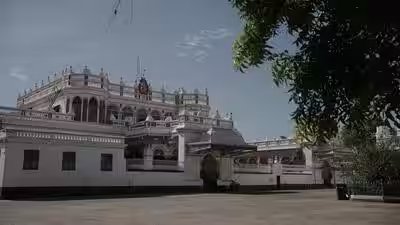
Chennai: A study by researchers shows that the architectural marvel that is a Chettinad mansion has sustainable features such as rainwater harvesting, temperature regulation, locally made floor tiles and crafts such as woodwork.Researchers from Christ University in Bengaluru have surveyed more than 1,082 houses and mansions in 12 villages across Sivaganga and Pudukottai districts to create a digital repository, ‘Chettinad Heritage Explorer’, where visitors can see each building’s age, occupancy, preservation status, architectural style and heritage distribution. The oldest house in the region is about 200 years old.“Chettinad mansions were built with rainwater harvesting systems more than two centuries ago — rainwater from the courtyard of the building was taken to the oorani (tank) of the village through channels,” said Ajith Paul, researcher from Christ University.
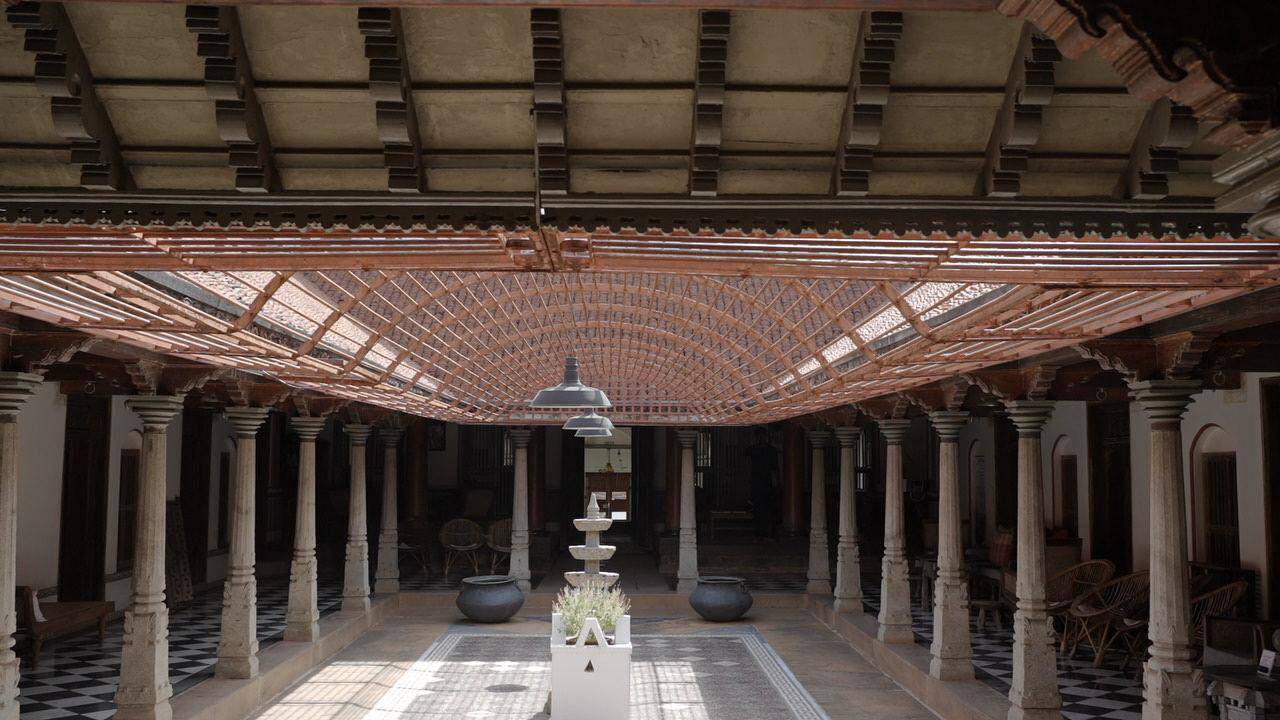
Chettinad mansions were built with rainwater harvesting systems more than two centuries ago
“Shaded verandahs and high ceilings facilitate natural lighting and cross ventilation. These courtyards were used as ceremonial spaces too. Chettinad architecture is still relevant as we can construct new buildings with its sustainable features,” said Anitha Suseelan, another researcher. The research team also included Biju K C from the university.
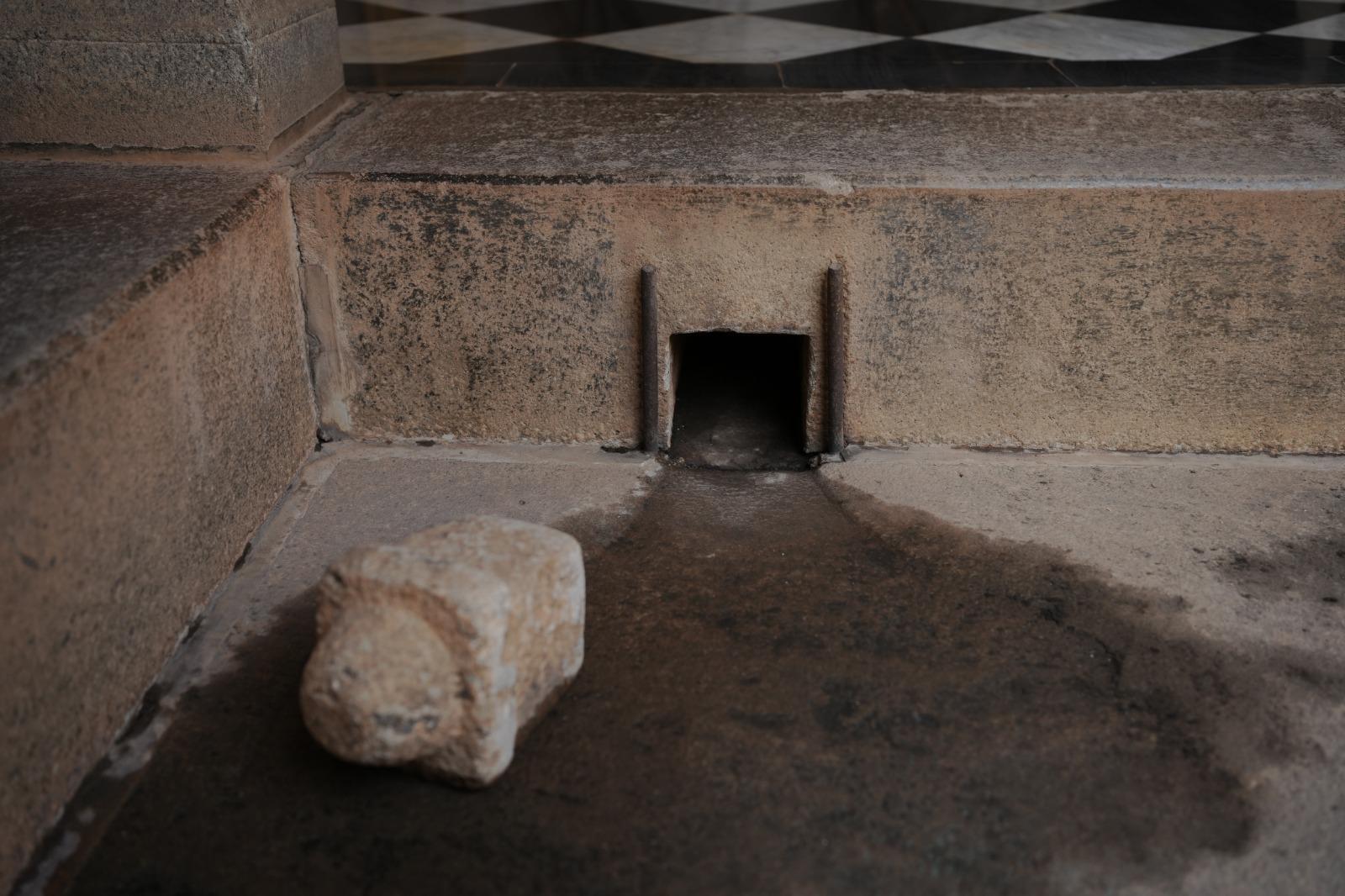
Rainwater from the courtyard of the building was taken to the oorani (tank) of the village through channel
Researchers analysed 11 parameters including heritage density, soil, groundwater, slope, geomorphology and land-use- and land-cover-related indicators. “Based on the analysis, we found the highest concentration of heritage buildings in areas which are environmentally suitable. Though it’s a dry region, the Nattukottai Chettiars or Nagarathars might have selected this area due to availability of water,” said Balakrishnan C, project coordinator and associate professor, department of computer science, Christ University.
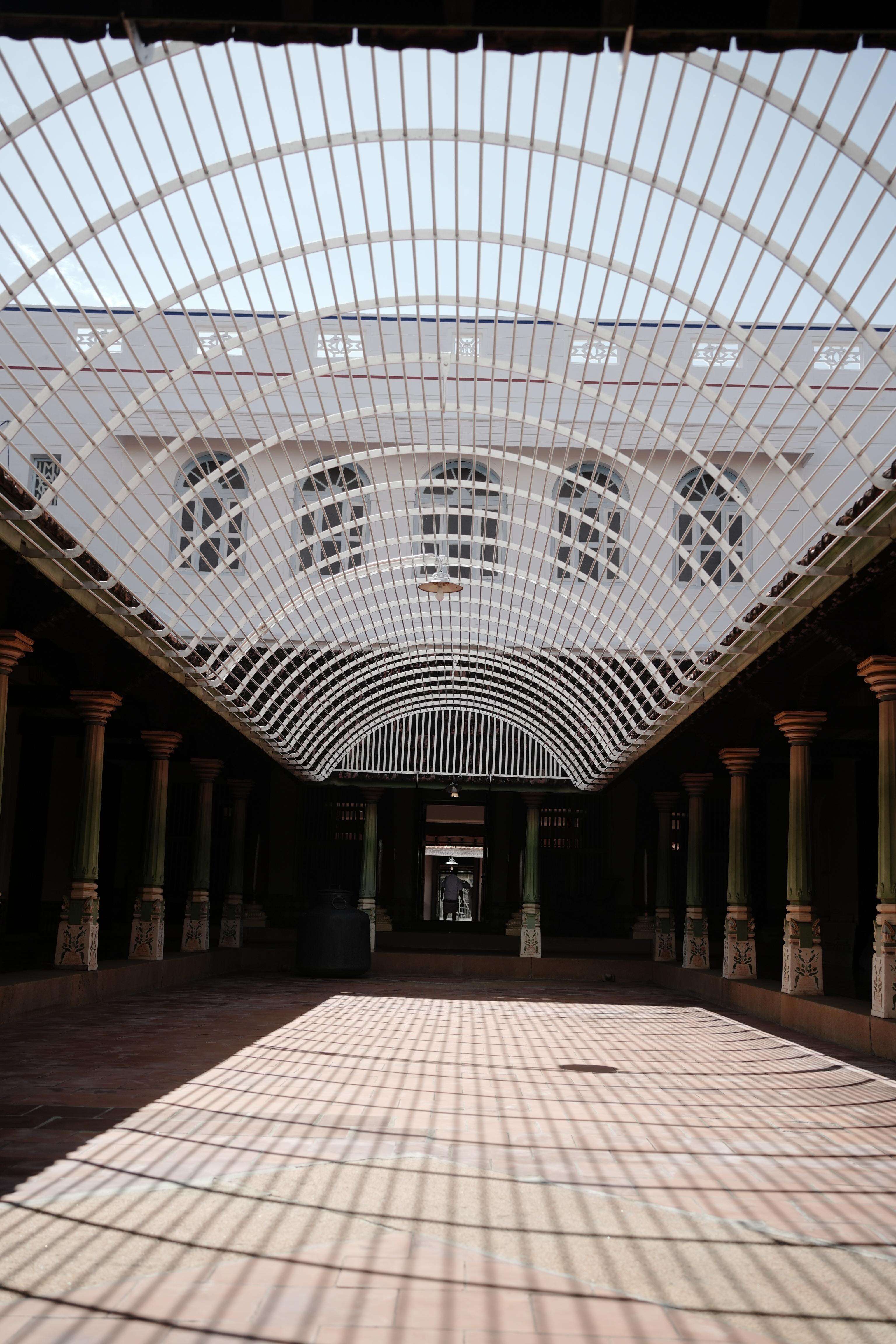
Researchers found that areas with the highest concentration of heritage structures also had high or very high conservation suitability
Researchers documented Chettinad’s living crafts such as Athangudi tiles, Kottan baskets, Kandangi handloom textiles, traditional jewellery, brass lamp casting, culinary practices, ritual foods, temple music traditions and everyday domestic rituals. They also recorded oral histories and folklore during their study. The homes are famous for using foreign materials such as Burma teak and Belgian mirrors.
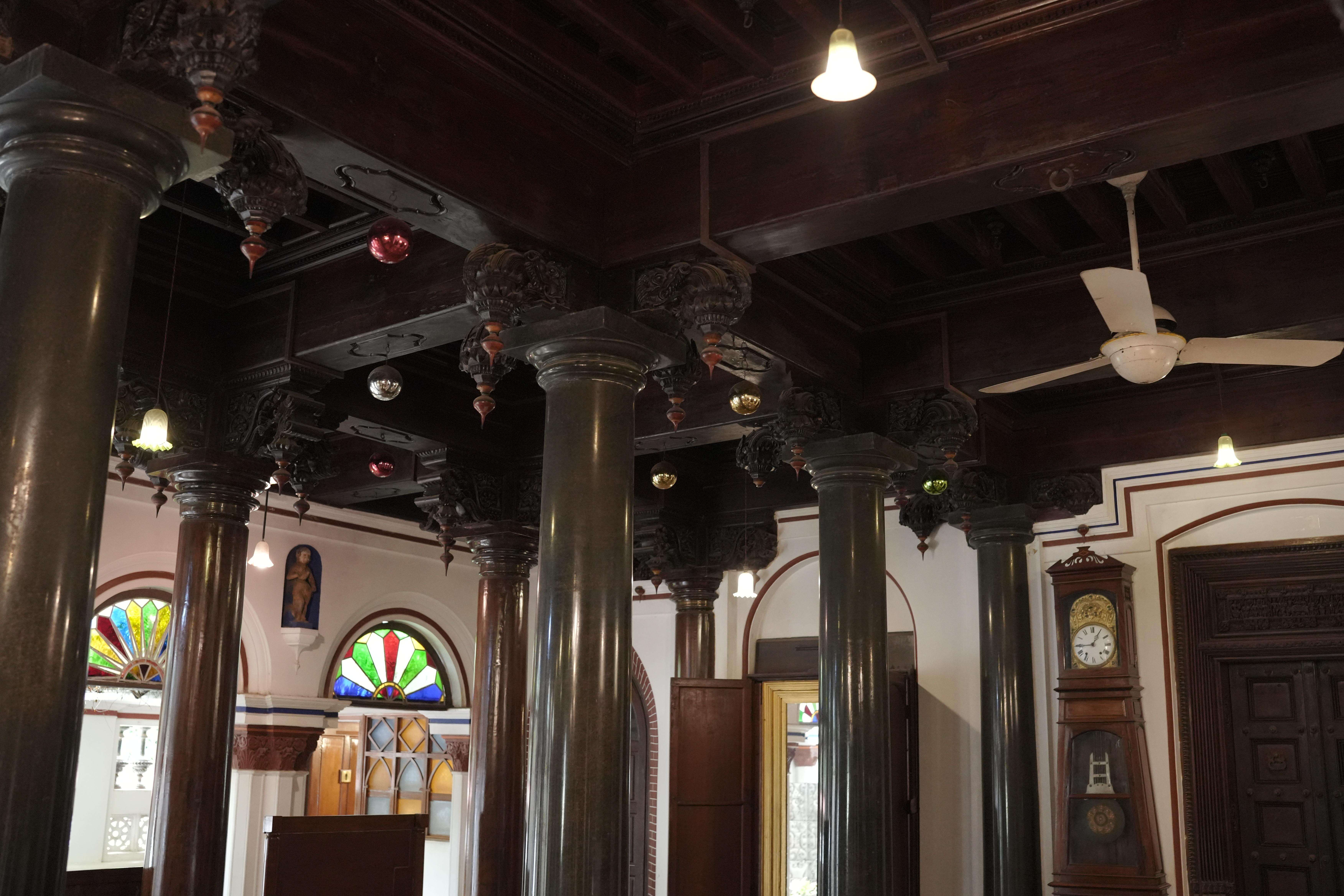
The study highlights how the Nattukottai Chettiars combined imported Belgian glass, Italian tiles and Burma teak with locally available materials such as Athangudi tiles, while incorporating rainwater-harvesting systems
“The Chettinad houses are unique for wood carvings and courtyards. It’s very expensive to build such houses now. But we can use these ideas and crafts to revive the architecture,” said Visalakshi Ramaswamy, founder of M Rm Rm Cultural Foundation.