








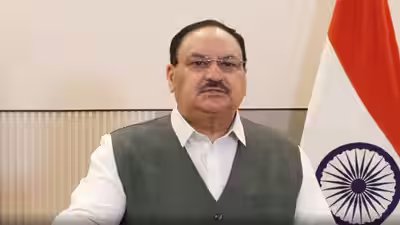
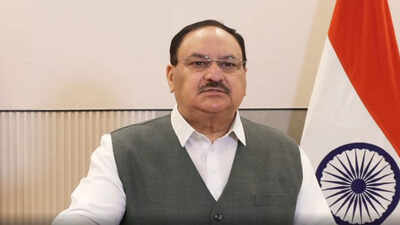
The Centre is targeting the addition of 75,000 medical seats across the country by 2029 as part of its efforts to expand medical education infrastructure, Union Health Minister JP Nadda said on Wednesday, November 18. He highlighted the expansion of medical colleges and medical training capacity over the past decade, stating that the number of medical colleges in India has increased from 387 to 863.Addressing the convocation ceremony of Vardhman Mahavir Medical College (VMMC) and Safdarjung Hospital, Nadda said the country has made considerable progress in strengthening its medical education infrastructure. He also pointed to the increase in the number of All India Institutes of Medical Sciences (AIIMS), from one in the late 20th century to 23 at present.According to PTI, the minister reiterated the Centre’s commitment to adding 75,000 medical seats by 2029, in line with the announcement made by Prime Minister Narendra Modi from the ramparts of the Red Fort.
Medical colleges increase from 387 to 863, MBBS seats reach 1.43 lakh
Highlighting the expansion of medical education opportunities, Nadda said the number of undergraduate medical seats has increased from approximately 51,000 to 1.43 lakh over the past decade.The postgraduate medical education capacity has also witnessed substantial growth. According to the minister, postgraduate seats have increased from around 31,000 to 91,000 during the same period.He said the expansion reflects the government’s efforts to strengthen the country’s healthcare workforce by increasing access to medical education and training opportunities.The rise in the number of medical colleges and AIIMS institutions is also part of the broader expansion of the country’s healthcare and medical education infrastructure.
Centre allocates Rs 15,000 crore for 10,000 additional medical seats
Nadda also referred to the financial support extended by the Union government to facilitate the creation of additional medical seats.He said the Union Cabinet had approved financial assistance of Rs 1.5 crore for each additional undergraduate and postgraduate medical seat. An overall allocation of Rs 15,000 crore was approved in December last year to support the creation of 10,000 additional medical seats.The funding is aimed at supporting the expansion of medical education infrastructure and enabling institutions to increase their intake capacity.Reiterating the government’s commitment to strengthening medical education, Nadda expressed confidence that the target of adding 75,000 medical seats would be achieved by 2029.
Quality of medical education must remain a priority, says Nadda
While emphasising the need to increase the number of medical seats, the Health Minister cautioned that expansion should not come at the cost of educational standards.He said that increasing medical education capacity must go hand in hand with maintaining quality. Adequate infrastructure, clinical training facilities and academic standards remain important considerations as institutions expand their intake.The emphasis on quality comes as the country seeks to address the growing demand for trained medical professionals while strengthening its healthcare delivery system.
VMMC graduation a matter of distinction, says Health Minister
Addressing the graduating students at Vardhman Mahavir Medical College, Nadda described completing medical education at the institution as a “matter of distinction”.He highlighted the institute’s clinical exposure, diverse learning opportunities and professional training, which prepare students for responsibilities in the medical profession.The minister also reminded the graduates that entering the medical profession comes with significant responsibilities towards society.Appealing to the graduating doctors, Nadda urged them to carry out their professional duties with dedication, compassion and integrity. He also encouraged them to use their medical knowledge and skills in the service of humanity.The minister’s remarks placed the focus not only on expanding the country’s medical education infrastructure but also on ensuring that the next generation of doctors remains committed to ethical medical practice and patient care.(With inputs from PTI)