









Headlines

A fabric developed from military clothing research was placed over strawberry plants; field tests produced 3.56 times more fruit |

A fabric originally developed through military clothing research has shown an unexpected use in agriculture. Researchers created the fabric while exploring ways to make body armour more comfortable and protect soldiers from mosquito bites. Years later, the same textile idea has been tested over strawberry plants, with striking results. In tunnel field trials, plants covered…
Read More

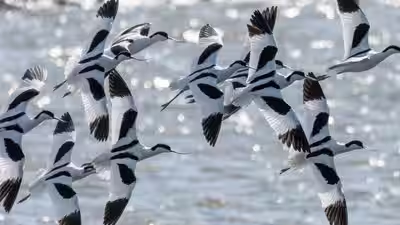
London sent more than 3 million tonnes of excavated railway soil to an Essex island to help rebuild coastal wetlands; a decade after seawalls were breached, the reserve reported a record 39,000 wintering birds

The soil was used to lift the ground and form wetlands designed to provide feeding, nesting and refuelling areas for birds London sent more than three million tonnes of soil excavated during construction of the Elizabeth line to an Essex island, where it was used to raise the ground and create new coastal wetlands. Ten…

Read More

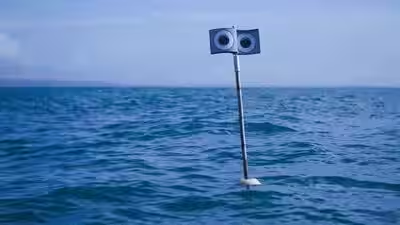
Scientists put a floating ‘scarecrow’ beside fishing nets; the device cut seabird bycatch by 59%, while a kite cut it by 71% |

Floating scarecrow. Image Credit: University of Exeter News Fishing nets can pose a serious danger to diving seabirds, but a new trial off the coast of south-west England has found that simple devices placed above the water can substantially reduce the risk. A floating buoy fitted with moving eyes cut the chance of auk bycatch…

Read More

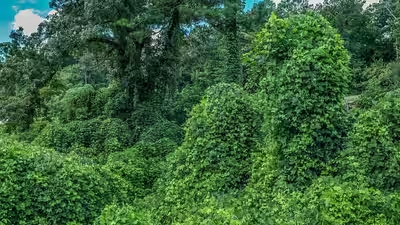
Texas is offering landowners up to $7,000 to remove invasive plants that are quietly choking out native species |

Invasive plants are creating problems across Texas forest ecosystems by competing with native vegetation, altering ecosystems and reducing forest productivity. To help tackle the issue, the Texas A&M Forest Service has launched the Texas Invasive Plant Solutions (TIPS) Cost-Share Program, which reimburses 75% of eligible costs for treating or removing invasive plants, up to $7,000…

Read More

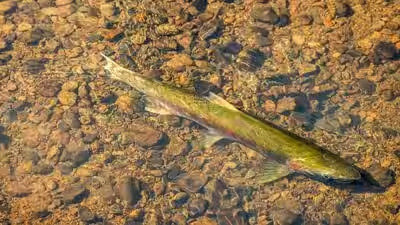
California’s Mendocino rivers witnessed a record 30,000 endangered coho salmon; a decade ago, some runs had fewer than 3,000 fish  |

Adult CCC coho spawning at Neefus Gulch. Image Credit: Christie Hemm Klok/Trout Unlimited/NOAA California’s Mendocino Coast rivers recorded an estimated 30,000 adult Central California Coast coho salmon during the 2024–25 spawning season, marking the largest return recorded there. The figure was twice the previous season’s record and far above the numbers seen during much of…

Read More

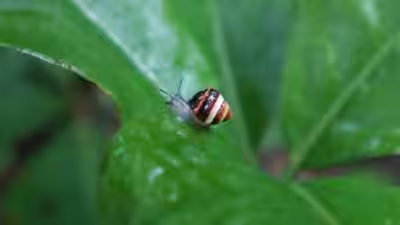
In 1955, Hawaii introduced the rosy wolfsnail to control giant African snails; it instead devastated native tree snails, and 69 years later a species extinct in the wild since 1991 was reintroduced

The reintroduction is only one part of the recovery strategy. Bishop Museum and Honolulu Zoo are also establishing captive snail laboratories, where Achatinella fuscobasis will be reared and made accessible to the public. For more than three decades, the tiny Achatinella fuscobasis (snail) existed only under human care. Then, in a carefully prepared corner of…

Read More

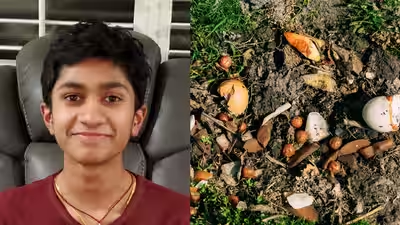
Teenager tests cow, chicken, fish and bat manure and finds that cow fertiliser holds the richest mix of antibiotic-resistant bacteria |

Image: Society for Science Organic gardening is described as the natural, wholesome choice, yet an eighth grader from Ripon, California, has shown that animal-based fertiliser can carry a hidden microbial problem. Virinchi R. Madireddy tested cow, chicken, fish and bat manure for bacteria that survive an antibiotic, and cow manure turned out to hold the…

Read More

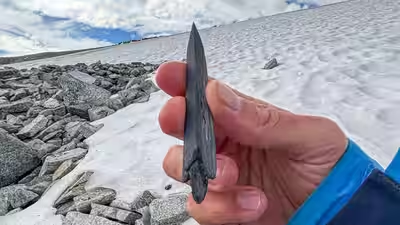
Norway’s rapidly melting Jotunheimen ice has revealed 48 prehistoric arrows; the oldest are 5,000-6,000 years old as archaeologists race to recover them before exposure destroys them

Norway’s rapidly retreating mountain ice has revealed 48 prehistoric arrows, including one estimated to be between 5,000 and 6,000 years old, as archaeologists race to recover artefacts before exposure to air and sunlight causes them to deteriorate. The discoveries were made during a three-week field expedition in the Jotunheimen mountains, where researchers have been studying…

Read More

After more than 50 years of pulp-mill pollution, regulators have proposed restoring North Carolina’s Roanoke River, including contaminated floodplain habitat damaged by toxic discharges

The Plymouth Mill began operating in 1937 as a wood and paper products manufacturing facility. Over subsequent decades, industrial operations at the site resulted in hazardous substances being released into groundwater, soil, Welch Creek and the Roanoke River (Image Credit: Domtar) For more than half a century, pollution from a pulp and paper mill has…

Read More

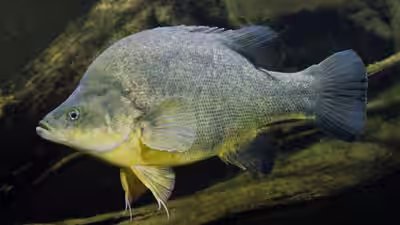
Researchers returned 4,450 pieces of timber to 110 km of Australia’s Murray River; over seven years, Murray cod abundance tripled and golden perch density doubled in the restored reach

Golden perch (Macquaria ambigua) Restoring woody habitat in a degraded section of Australia’s Murray River has led to a major increase in the populations of two native fish species. In the research carried out over seven years, the number of Murray cod in the restored reach increased threefold, while the population of golden perch increased…

Read More