











Some businesses chase market opportunities. Others are forged from what their founders have lived through. For Vadodara entrepreneur Dr Hema Bansal, that distinction captures not just her own journey but also the shifting face of Indian entrepreneurship. As more women enter India’s startup ecosystem, many are building ventures around problems they have endured, witnessed or refused to ignore. And a Sardar Patel University (SPU) study suggests they’re doing it in numbers never seen before. The study, “A Multidimensional Statistical Analysis of India’s Startup Ecosystem”, found that women now account for 48.1% of startup participation in India. Conducted by MSc Statistics students, Rohan Marthak and Aesha Pandya, under the guidance of Khimya S Tinani, the research analysed data from Startup India and the govt for the 2016-2025 period and found a strong correlation between the rise in women entrepreneurs and the growth of the startup ecosystem itself. The finding marks a major shift. For decades, entrepreneurship in India was largely seen as a male domain. Even today, many women founders say their journeys differ significantly from those of their male counterparts. Funding remains harder to secure, and credibility often takes longer to establish. Moreover, success is often viewed through a different lens. “If an enterprise started by a man fails, everybody would say that he at least tried,” says Ahmedabad entrepreneur Menka Gurnani. “But that is not the case when it comes to women. Everybody would start saying, ‘We had already predicted that.’” It is a sentiment echoed by several women entrepreneurs interviewed for this story. Second actLong before she became an entrepreneur, Hema Bansal from Vadodara spent decades working across Asia, Africa and Latin America on issues of financial inclusion and consumer protection. A former academic at the MS University of Baroda and later a senior professional with organisations such as the International Finance Corporation, she spent years studying how financial systems shape people’s lives.
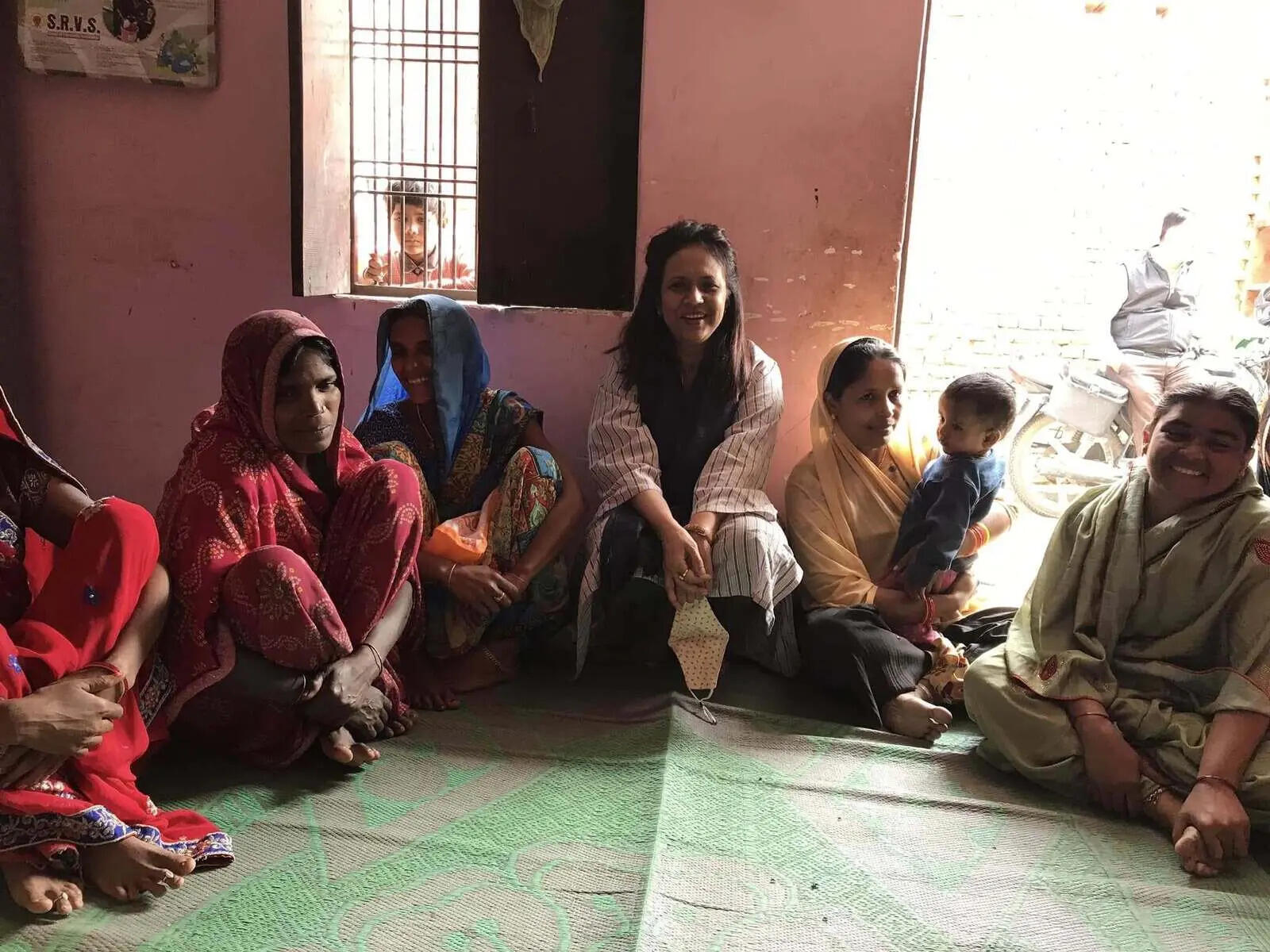
Hema Bansal says, “Women entrepreneurs are often subjected to greater scrutiny, asked for guarantors, collateral and endless documentation despite proven track records. Age and gender should not determine access to credit. Lending must be driven by risk assessment and merit, not by exclusionary and discriminatory policies that continue to disadvantage women in business.”
Along the way, she noticed something else. Women were often bearing the weight of households and businesses while remaining excluded from key financial decisions. Those observations stayed with her. “Some businesses are born from lived experiences,” Bansal says. For her, entrepreneurship emerged from decades spent witnessing both the power and limitations of financial inclusion. The death of her husband, Prof Sharad Bansal, former dean of the faculty of commerce at The MS University of Baroda, became another turning point. She channelled her experience into creating an enterprise focused on responsible finance, consumer protection, environmental, social and governance (ESG) frameworks and sustainability. Today, the company works with financial institutions, investors, and development organisations across multiple geographies. Unlike many startups chasing rapid growth, hers seeks to answer a more fundamental question: can finance create dignity, not just wealth? The scientist who took a leap For Gurnani, the challenge was different. A microbiologist who spent years at the research centre of a pharma giant, she became increasingly concerned about widespread Vitamin D deficiency in India.The concern eventually evolved into a venture developing plant-based Vitamin D solutions that can be incorporated into everyday foods. While the science was challenging, entrepreneurship was even harder.
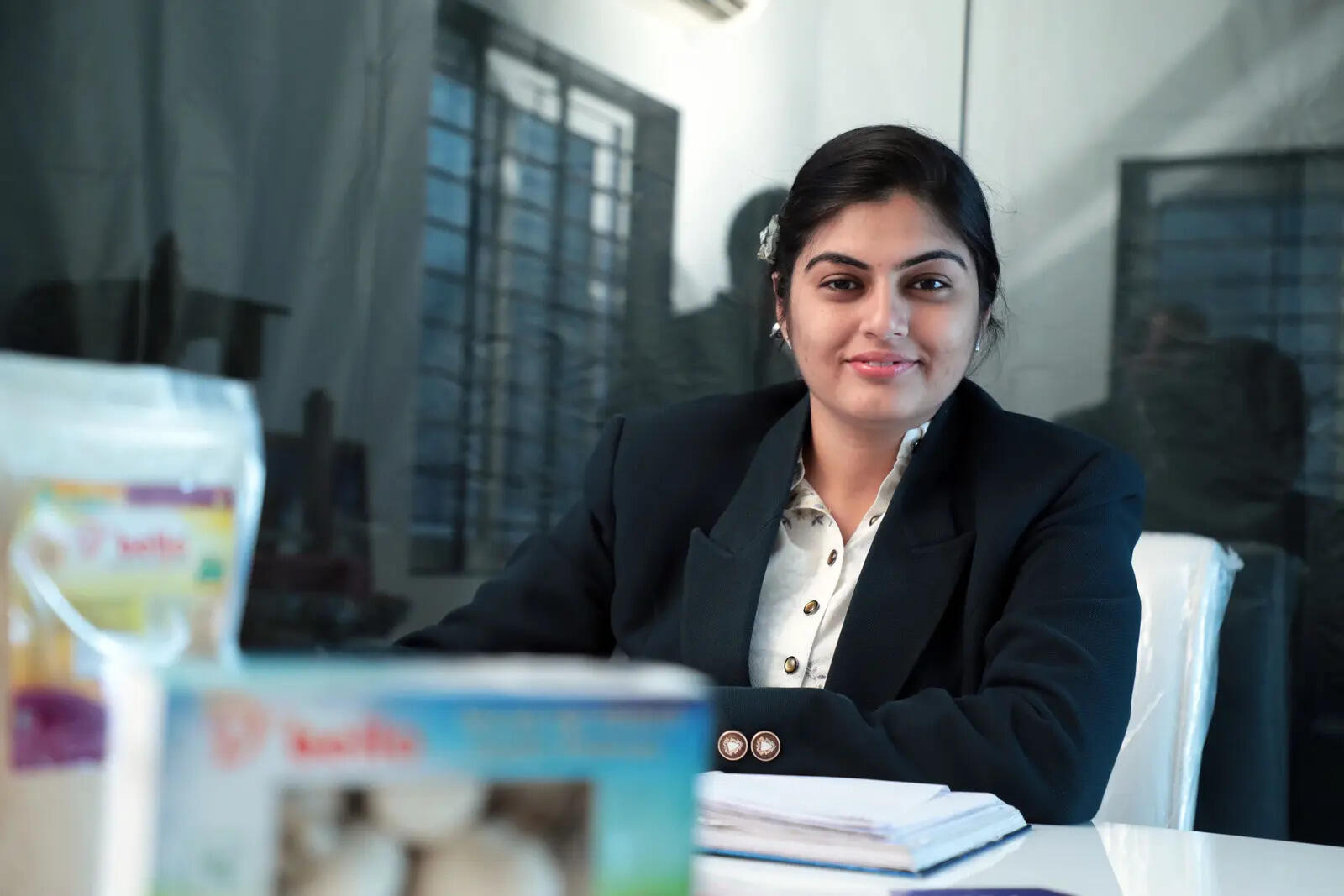
Menaka Gurnani says, “If an enterprise started by a man fails, everybody would say that he at least tried. But that is not the case when it comes to women. Everybody would start saying, ‘We had already predicted that.’”
“Research teaches you how to solve scientific problems. Entrepreneurship teaches you how to solve everything else,” she says. Like many women founders, she found herself having to prove her capabilities repeatedly. The scrutiny, she believes, is often different for women. “If a man fails in business, people call it a learning experience. Women are not always given the same benefit of the doubt.” Support from startup programmes and innovation platforms helped the company grow, eventually earning recognition from Gujarat Innovation Society, BIRAC and national startup initiatives. In 2024, Gurnani was invited to Rashtrapati Bhavan to meet President Droupadi Murmu. Yet, she believes the broader challenge remains cultural. The husband clause Few founders illustrate that reality more directly than Vadodara entrepreneur Swati Vakharia. Over the years, she has reinvented herself repeatedly — from digital marketer to publisher and wellness entrepreneur. After co-founding an IT company, gaining experience in digital marketing, she had even launched a platform celebrating women achievers across professions.

Swati Vakharia says, “Women entrepreneurs continue to encounter challenges that men don’t have to worry about. Even if you apply for a business loan, many banks still insist on mentioning your husband’s name as a co-applicant. The issue is not merely financial. It reflects a lingering assumption that women-led businesses require validation from someone else.”
Motherhood eventually pushed her towards entrepreneurship in the wellness sector. Drawing inspiration from ayurveda practices, she built a company around innovative wellness products, including a modern adaptation of Shata Dhauta Ghrita, a traditional ayurvedic preparation. Today, the bootstrapped business generates annual revenue of around Rs 4 crore. Yet Vakharia says women entrepreneurs face hurdles that men often don’t need to worry about. Banks, for instance, insist on mentioning the husband’s name as a co-applicant, she says. It reflects a lingering assumption that women-led businesses require validation. Rethinking scrubs Roma Shah’s entrepreneurial journey began during the 2019 pandemic. Her husband, a pulmonologist and member of Vadodara’s Covid task force, developed severe skin irritation from wearing synthetic medical scrubs for long hours.
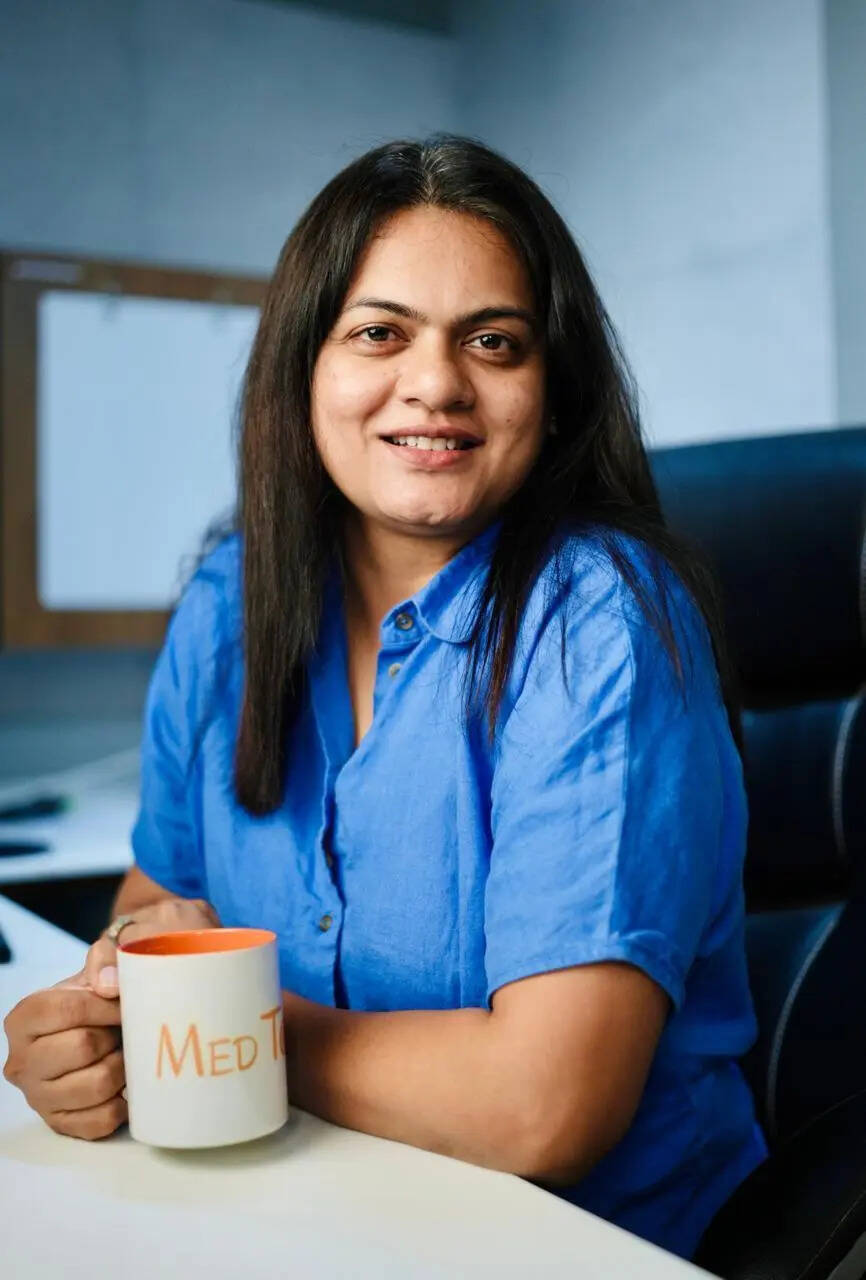
Roma Shah says, “The market has become far more open to women entrepreneurs than it was earlier. Suppliers, manufacturers and industry stakeholders are far more willing to engage with women founders now.”
The experience exposed a gap in the healthcare apparel market. With no textile background, Shah spent months learning fabrics and garment engineering, and built a company now serving more than 40,000 healthcare professionals across India, with exports beginning too. Balancing it all isn’t easy — family, children, work, parents and health all requiring time. Still, she sees one encouraging shift: the market has become far more open to women entrepreneurs than it was earlier. Stitching stories into childhood For Krishna Siddhapura, entrepreneurship emerged from motherhood. Concerned that children increasingly recognized global cartoon characters while losing touch with Indian stories and folklore, she founded a children’s lifestyle brand that integrates storytelling into clothing and packaging. The company incorporates Panchatantra tales, mythology and Indian cultural themes into products designed to spark conversations between parents and children. What began as a niche idea has evolved into a growing business supported by investors and startup programmes.
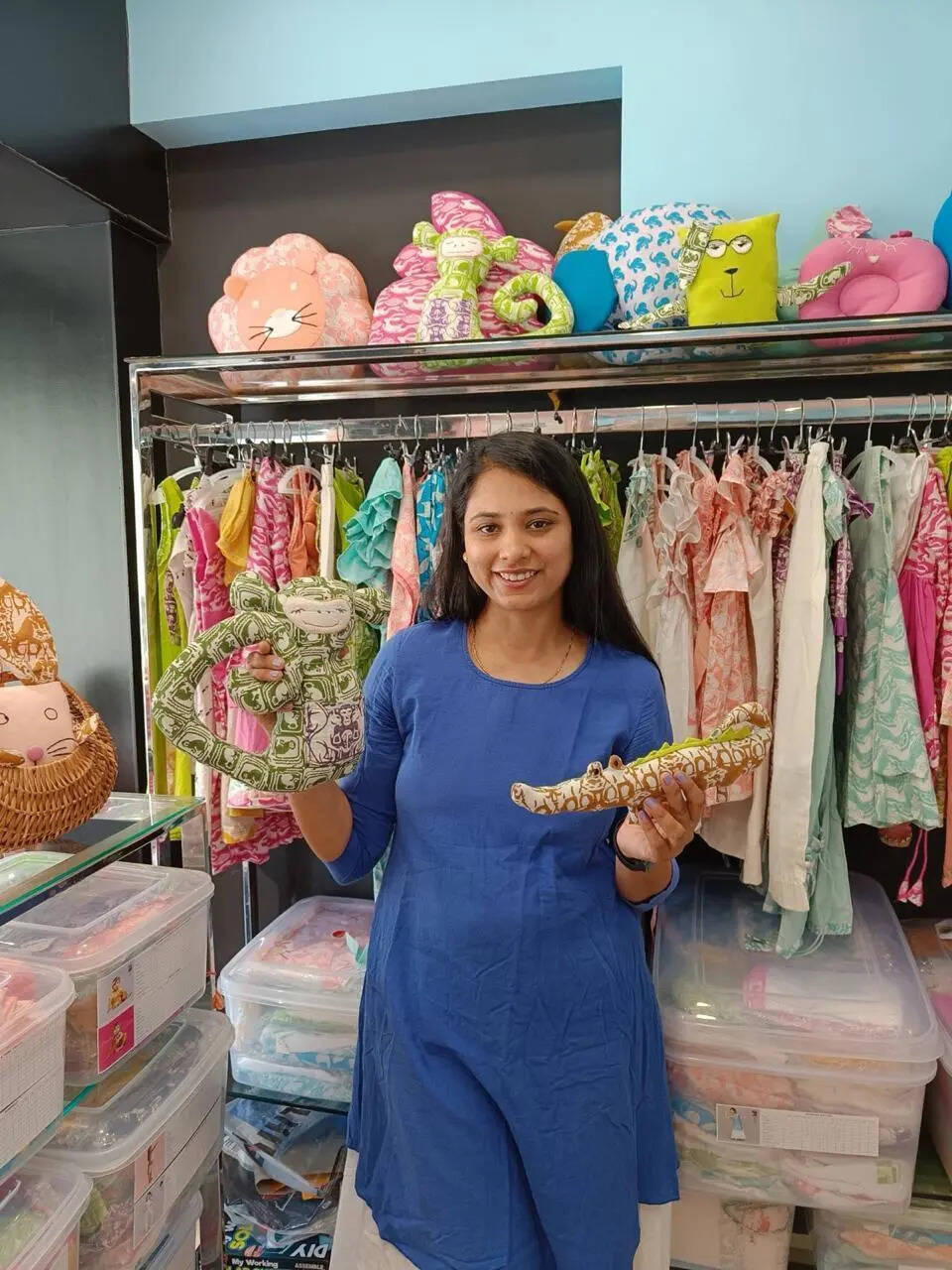
Krishna Siddhapura says, “Many suppliers and business partners simply did not trust women with financial decisions. Even when I was leading the business, they would explain everything to my husband. The assumption was that a woman’s enterprise was just a hobby and would not last. Those biases still exist, though I can now laugh about them and ask, ‘Do you still want to speak to my husband?’”
Like many women founders, Siddhapura built her company while navigating family responsibilities and the uncertainties of entrepreneurship. Her story reflects a broader trend identified by the SPU study — women are increasingly creating businesses rooted in personal experiences rather than simply pursuing conventional market opportunities. A revolution in progress The SPU study identifies Gujarat as having one of India’s strongest startup ecosystems, alongside Maharashtra, Karnataka, UP and Delhi. Researchers attribute it to incubators, educational institutions, mentors, investors, and govt-backed initiatives. Yet experts caution the journey towards genuine parity remains unfinished. “While the number of women entrepreneurs is rising nationally, startups genuinely led by women in terms of operational leadership still remain far fewer,” says Geetika Patel, vice-president of Parul University.