







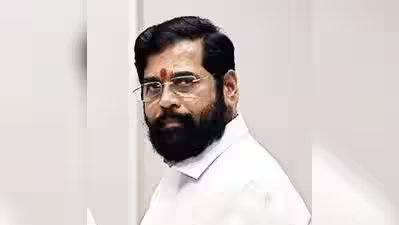
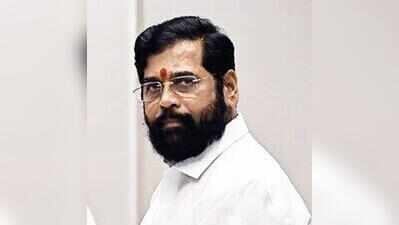
Mumbai: BRICS cities must move beyond dialogue and deepen city-to-city cooperation to tackle common urban challenges, said Maharashtra deputy chief minister Eknath Shinde on Tuesday and called for sharing of technology, expertise and innovations to build inclusive, resilient and future-ready cities.The call came at the inaugural session of the two-day BRICS Friendship Cities Conclave 2026 in Worli, where speakers stressed that the future of urban development would depend on how effectively cities could convert shared knowledge into partnerships and action.Maharashtra governor Jishnu Dev Varma highlighted the need to build cities that are prosperous, equitable, sustainable and human-centred, and encouraged BRICS cities to translate dialogue into partnerships and concrete action. His emphasis placed citizens and equitable growth at the centre of the international urban cooperation agenda.Mumbai First chairman Narinder Nayar highlighted the need for city-to-city cooperation to address global challenges through solutions rooted in local realities. Mumbai First vice-chairman Ashank Desai said the organisation was committed to building “wise cities” and advancing meaningful global urban collaboration.Former Maharashtra additional chief secretary and CEO of Maharashtra Institution for Transformation Praveen Pardeshi said BEST’s daily ridership had fallen from 4.8 million to about 2.4 million, while its operating fleet of 3,200 buses was far below the estimated requirement of 12,000-15,000. He called for rapid fleet expansion and electrification, backed by depot charging infrastructure and sustainable financing. Pardeshi proposed ring-fencing non-fare revenues such as congestion charges, parking fees and commercial development above depots, instead of relying mainly on fares or subsidies. He said buses would remain crucial for first- and last-mile connectivity alongside metro expansion.Addressing the conclave, Shinde said cities across countries increasingly faced common challenges, including climate change, flooding, heatwaves, traffic congestion, pollution, water management and affordable housing. These challenges, he said, required cooperation and exchange of knowledge beyond geographical and national boundaries.“Cities are not merely structures of bricks and concrete but growth engines of a country’s economy,” Shinde said, stressing that urbanisation should be viewed as an opportunity rather than a problem.Shinde said urban development should not be measured merely by tall buildings or an attractive skyline. Easier commuting, safe housing, clean air, opportunities for children and an administration capable of standing by citizens during disasters should be the real benchmarks of successful urban planning.He emphasised inclusive, resilient and future-ready urban development, with a particular focus on climate resilience, sustainable mobility, digital governance, artificial intelligence and emerging technologies.Shinde described climate change as a serious challenge for Mumbai, saying rising sea levels, flood risks and increasing temperatures could affect both public safety and the city’s economy.He said Maharashtra govt was taking steps in areas including flood control, coastal protection, increasing green cover, rainwater management, sustainable transport and technology-based planning.He also highlighted the potential of digital twins, AI-based traffic management and smart governance. BRICS cities, he said, had significant experience in public transport, digital governance, disaster management, green finance and sustainable infrastructure, and sharing such experience could help cities prepare for future challenges.Shinde said Maharashtra was giving fresh impetus to metro projects, roads, drainage, redevelopment, affordable housing, digital services, green infrastructure and disaster management in Mumbai, Nagpur, Pune, Nashik, Thane and Chhatrapati Sambhajinagar.The objective, he said, was to improve citizens’ quality of life, ensure easier access to services and create equal opportunities, with development reaching the last person.He also called for cities to focus on cooperation and empowerment rather than competing with one another, invoking Sant Tukaram’s words — “Ekmeka sahay karu, avaghe dharu supanth.”Nayar stressed the importance of locally rooted solutions to global urban challenges, while Desai’s emphasis on “wise cities” pointed towards combining technology and innovation with better urban decision-making and collaboration.The conclave, being held in Mumbai on Aug 11 and 12, brings together city representatives, urban planners, policymakers and experts from BRICS countries and partner nations. It is organised by Mumbai First, with support from govts of Maharashtra and India.