








The buzz around Durga Puja leaves many curious and excited to experience the festivities. But beyond the rush at pandals, supper clubs and musical baithaks offer other ways to engage with Bengali culture. From discovering lesser-known recipes to listening to traditional Bangla sangeet and exploring the stories behind rituals, these experiences offer a way to connect with pujo beyond the spectacle.
‘These baithaks are a way for non-Bengalis to experience our culture’
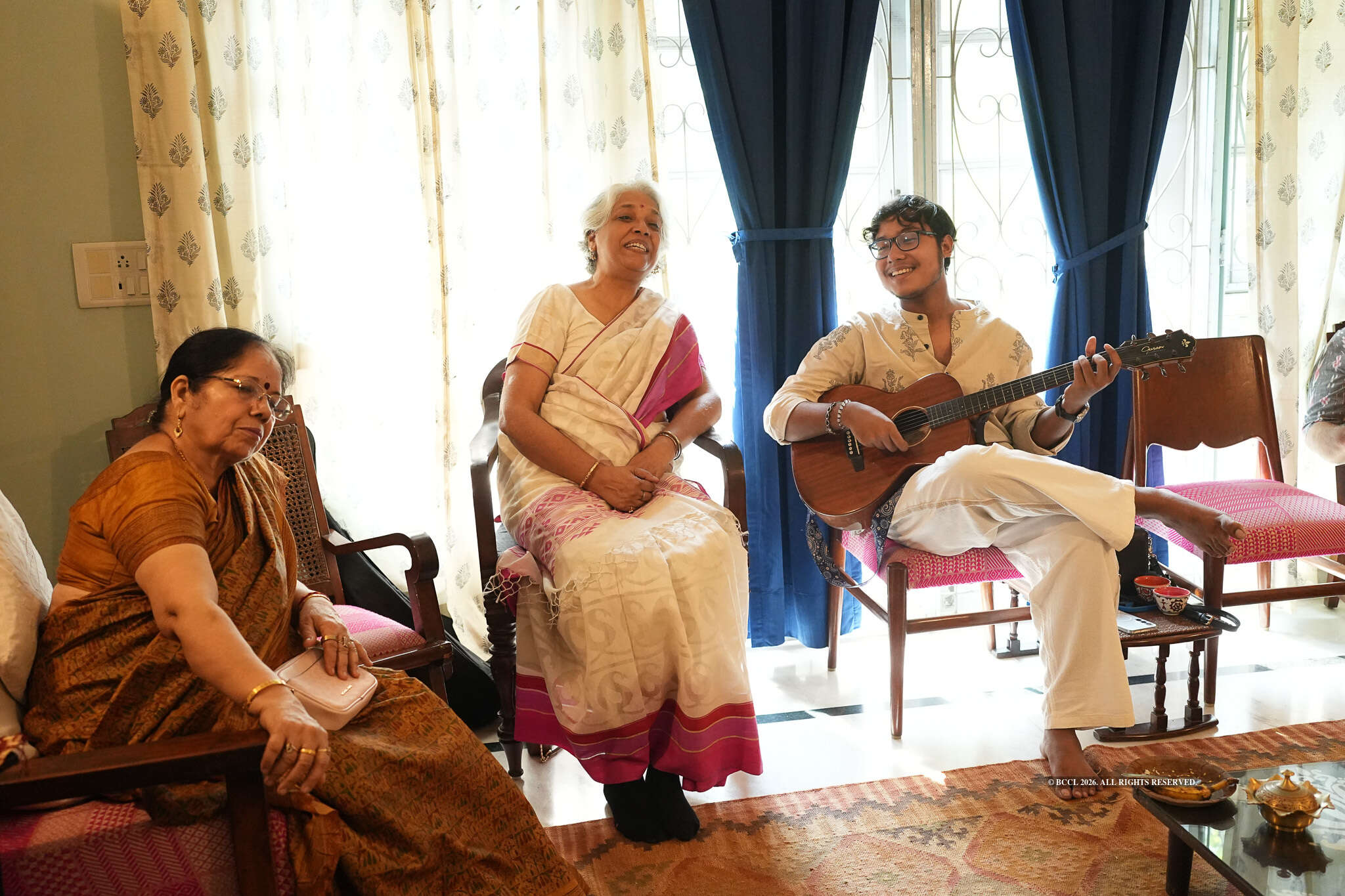
Food, memories and the flavours of BengalSupper clubs bring together family recipes and stories of Bengali culinary heritage. For Sharmila Sinha of Luchee Food Story, food is closely linked to the rituals of Durga Puja. “Durga Puja for us is homecoming of the daughter, and when the daughter comes, we rejoice. Fruits like pomelo that have just ripened and vegetables that have begun appearing in the market become part of the festive spread, connecting the celebration with the harvest. The spread shows the connections between cuisine, culture, crops and the climate.” At host Sharmila’s home, the idea that khana aur gaana is integral to a Bengali household came alive when the musicians, Himalaya and Prithvija, began singing songs like Bajlo Tomar Alor Benu, Moko Kaha Dhoonde Re Bande and Tomare Dekhibar Mone Chay.
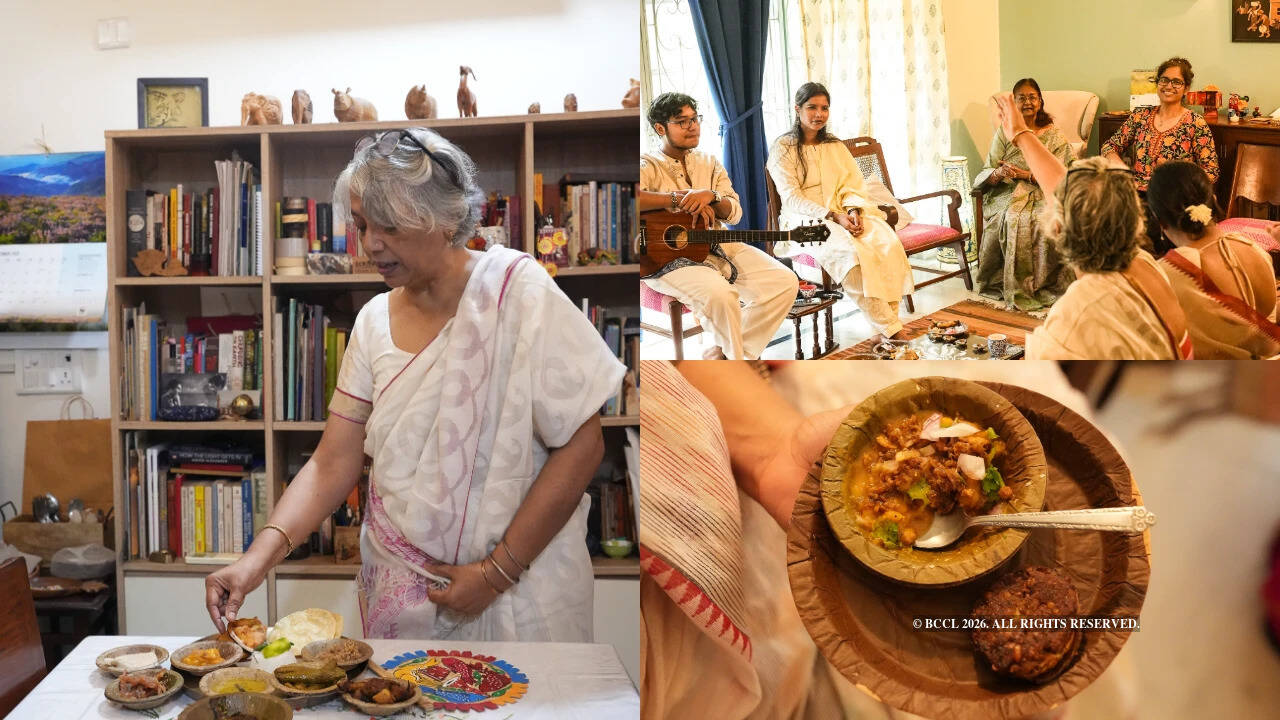
For Sharmila Sinha, Luchee Food Story, food is closely linked to the rhythms of nature and the rituals of pujo
Bidisha Bhattacharya, who attended the Devi-special lunch, came across the event while looking for a way to feel closer to home. “On Mahalaya, I wanted something that makes me feel closer to home,” she said as she ended up singing Bangla sangeet.
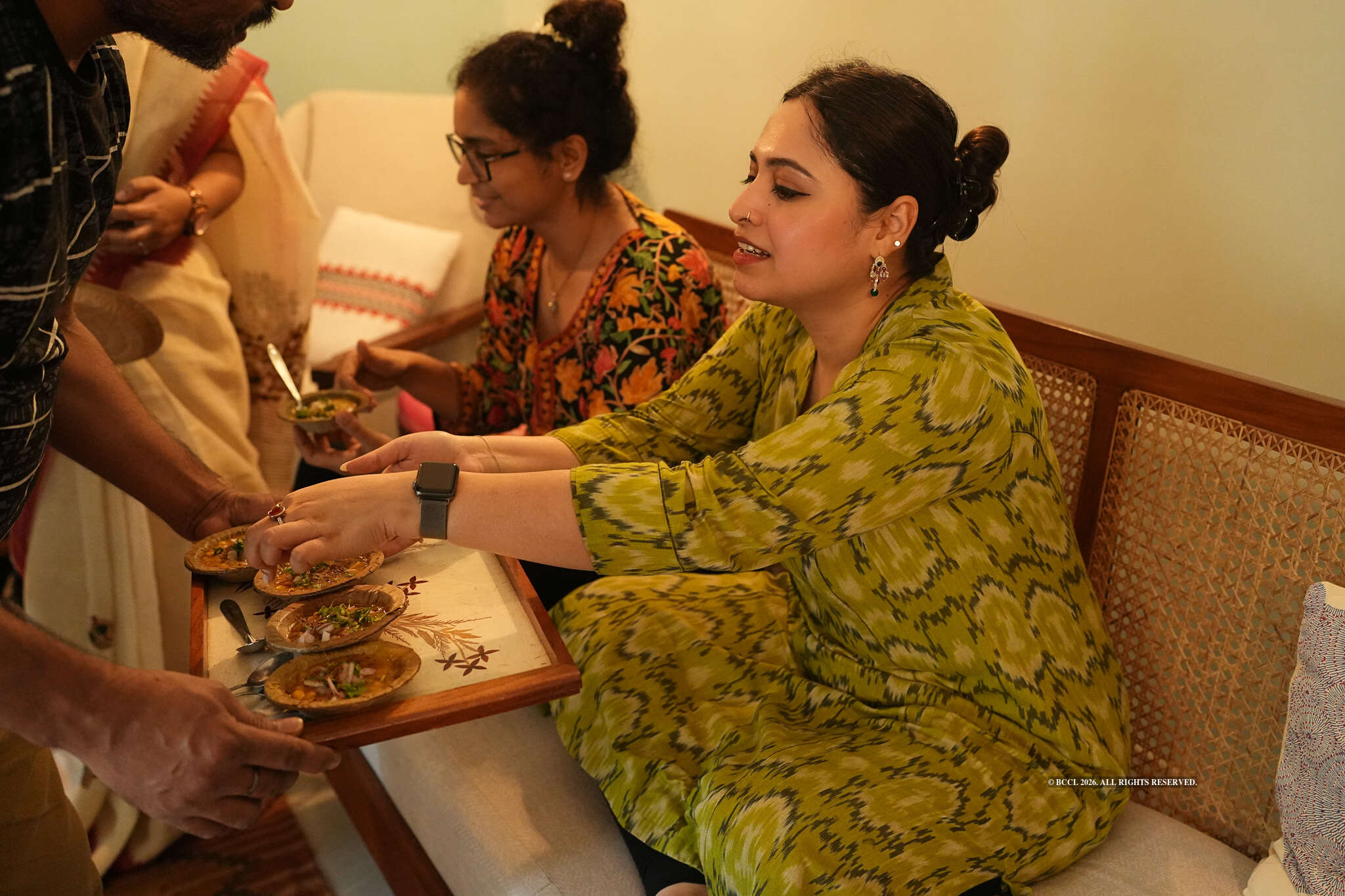
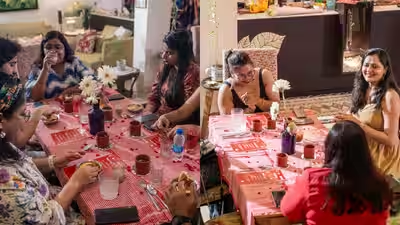
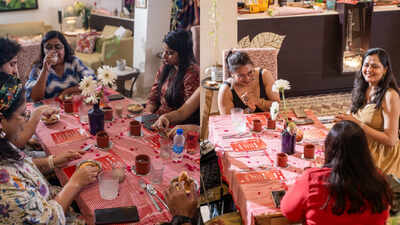
Supper clubs bring together family recipes and stories of Bengali culinary heritage
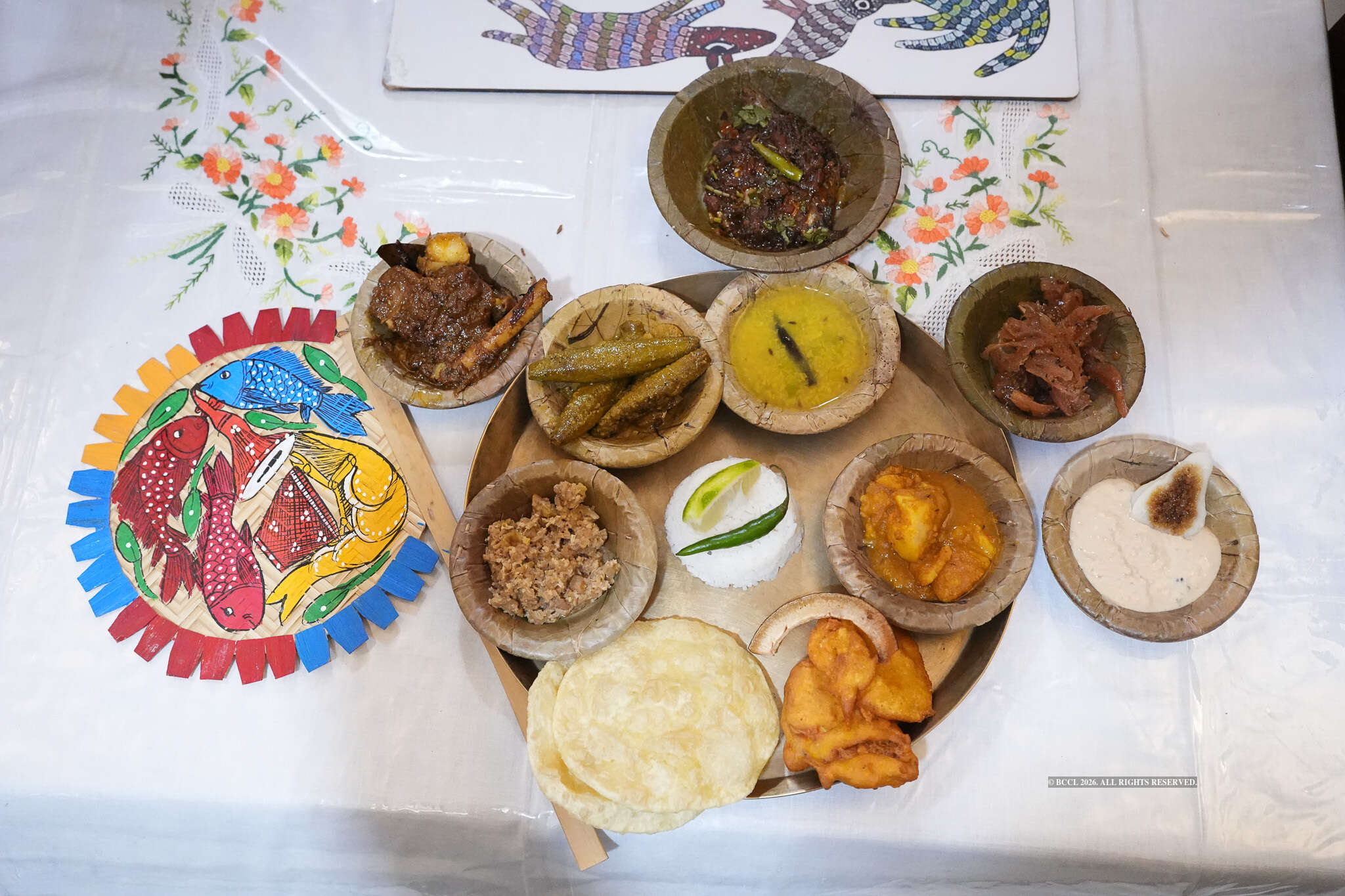
The spread at Luchee Food Story included seasonal dishes, including thor ghonto (banana stem subji), potol made with a fennel preparation, alur dum, chalta (elephant apple) chatney, tele bhaja (fritters), pithe with payesh made of black rice
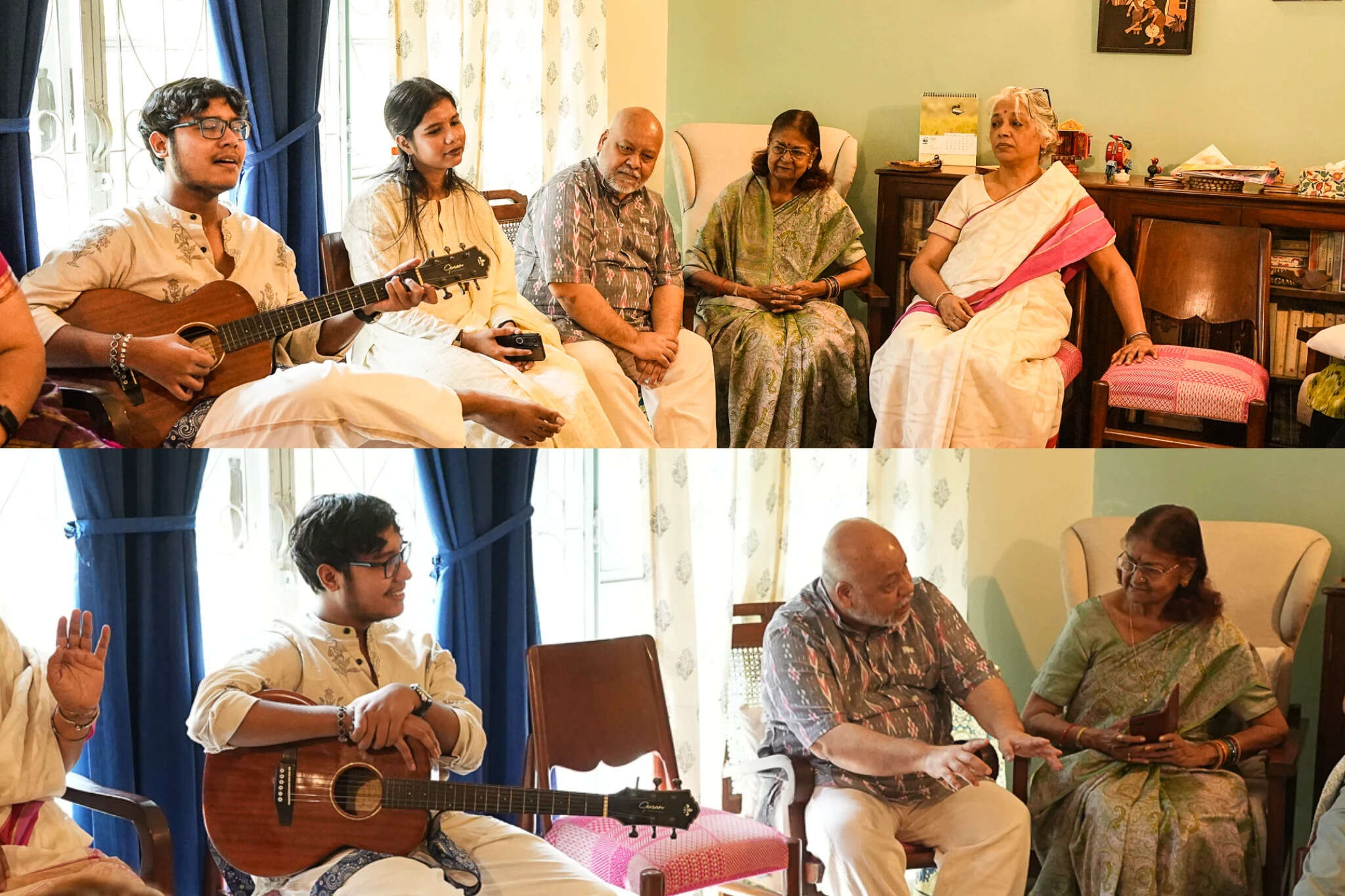
At host Sharmila Sinha’s home, the idea that khana aur gaana is integral to a Bengali household came alive when the musicians, Himalaya and Prithvija, began singing songs like Bajlo Tomar Alor Benu, Moko Kaha Dhoonde Re Bande and Tomare Dekhibar Mone Chay
At Toontooni’s Table, chef Toonika Guha’s pujo-special Adda brings Bengali food to the table through family recipes and familiar street-food favourites, with a modern spin. The idea is to bring people together over a meal and conversation while drawing on the flavours and memories that shape Bengali food traditions. “Food is a big part of any celebration in the Bengali culture, and there is nothing bigger than pujo for us. There are all recipes that have grown up enjoying and they are all reimagined in a new light. Street food in a part of food served at pandals, so at Adda, I will be serving VP aloo dum puchka, peyaj posto bites, aam pata jora jora and classics like luchee with kosha mangsho.”
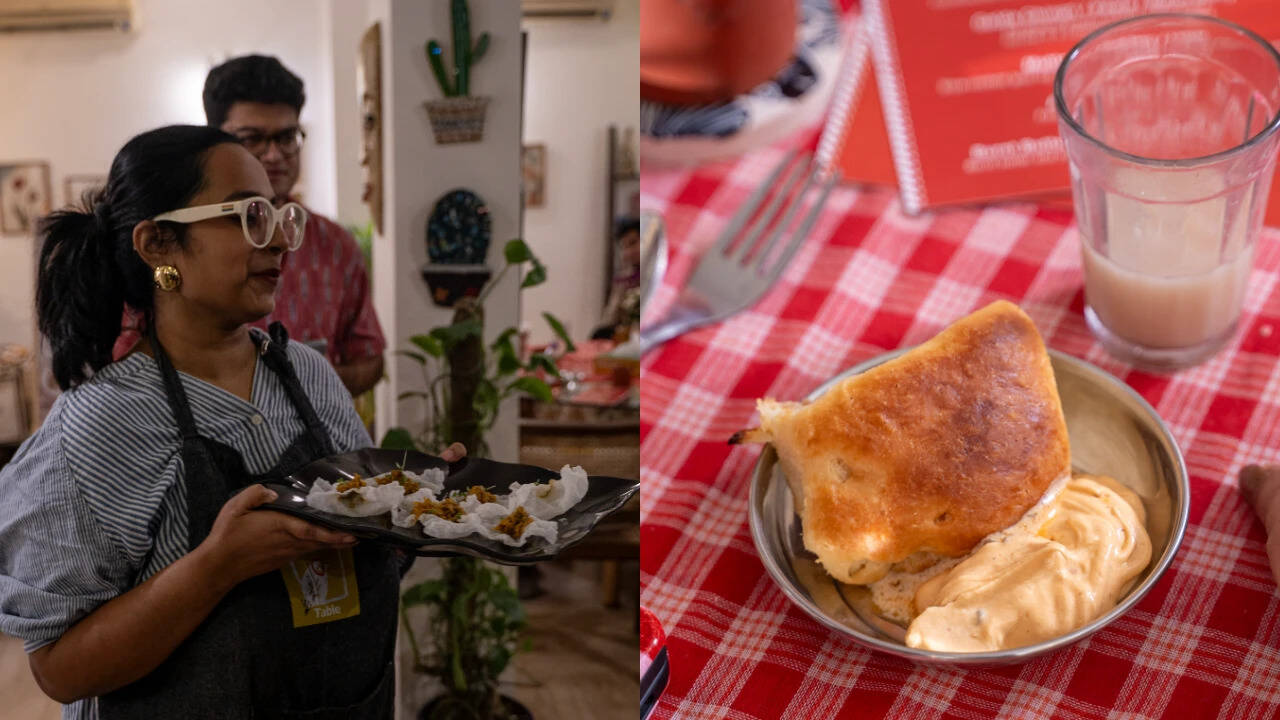
Toonika Guha services recipes that she ha grown up enjoying – reimagined in a new light
‘These baithaks are a way for non-Bengalis to experience our culture’Musical baithaks and immersive gatherings explore the festival through songs, soundscapes, and community traditions. At the Making of Durga Puja, an event under Gunjan Joshi’s The Living Traditions Project, food was only one part of the experience. Joshi explains, “As an Intangible Cultural Heritage expert, my core motive is to educate the public about our living traditions by designing immersive, interactive experiences. Participants engage with the auditory heritage of soundscapes, interactive cultural investigations, and understanding the living traditions of the various communities sustaining the festival. We then finish with an authentic home-style Bengali meal to bind our discussions and learnings over a hearty thali.”
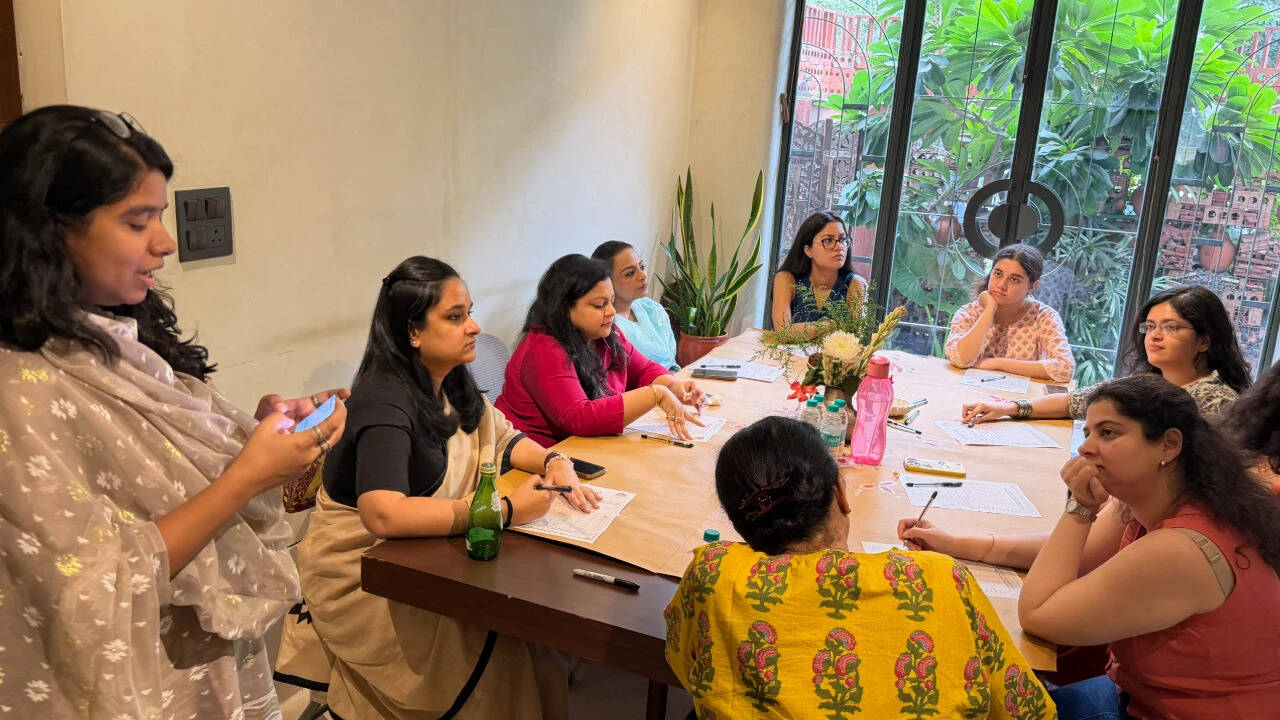
At the Making of Durga Puja, an event under Gunjan Joshi’s The Living Traditions Project, food was only one part of the experience (Pic: @thelivingtraditionsproject)
Music is another way to explore these traditions. Upstairs with Us founder Sukanya Banerjee shares, “My main focus in events like this is to create a way for non-Bengalis to experience our culture more deeply in a participative way rather than from the outside. So, in the baithaks we hosted pre-pujo, we did a full setlist of songs that were sung in Bengali with translations and explanations of cultural context.” The focus of one of the baithaks was Agomoni, a subgenre of Bengali songs about Durga’s homecoming. Banerjee explains, “My aim is to familiarise non-Bengalis with the tradition while also exposing Bengalis to lesser known compositions like Jao Jao Giri Anite Gouri and Giri Ebar Uma Ele.”
These events create a way for non-Bengalis to experience Bengali culture more deeply in a participative way rather than from the outside
Sukanya Banerjee, founder of Upstairs with Us
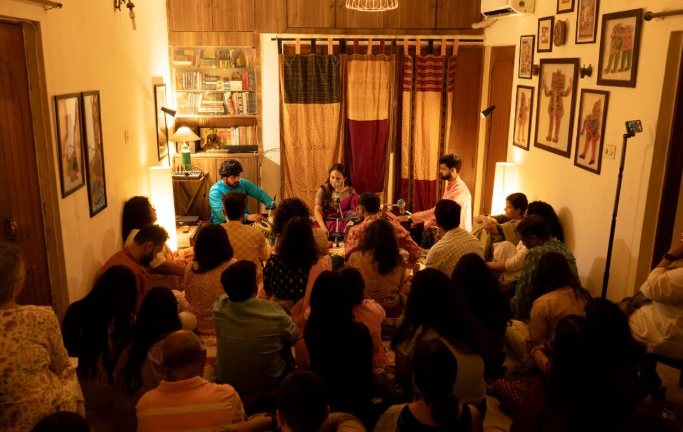
These events create a way for non-Bengalis to experience Bengali culture more deeply (Pic: @upstairswithus)