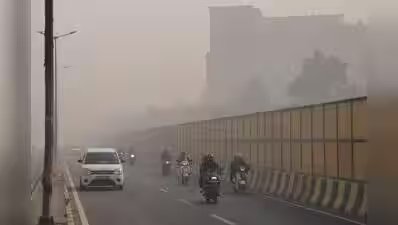








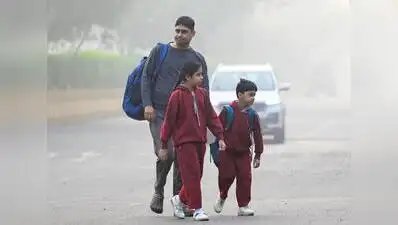
Gurgaon: Air pollution, sudden temperature fluctuations and seasonal viral infections are triggering respiratory distress in children, with doctors observing an increase in wheezing, persistent cough and breathing difficulties. They are also seeing children with no previous asthma diagnosis experiencing their first episodes of respiratory symptoms, while those already diagnosed with the condition are experiencing more frequent attacks.At Madhukar Rainbow Children’s Hospital in Delhi, paediatric respiratory specialists are seeing both groups of patients. “Children with diagnosed asthma are reporting more frequent exacerbations, with some requiring emergency care and stronger treatment. At the same time, children who had never been diagnosed with asthma are presenting with their first episodes of wheezing and breathlessness. Further evaluation, including lung function tests, has revealed features suggestive of previously unrecognised asthma in several of these children,” said Dr Nikhil Rajvanshi, consultant paediatric pulmonologist, allergy and sleep specialist at the hospital.Doctors attribute the rise in respiratory symptoms to a combination of environmental and seasonal triggers. Exposure to air pollution, particularly around Diwali, infections caused by viruses such as rhinovirus and respiratory syncytial virus (RSV), and abrupt temperature changes can aggravate airway inflammation and trigger acute episodes.Children with underlying airway sensitivity may develop noticeable symptoms after repeated exposure to these triggers, even if they had not experienced respiratory problems earlier. However, doctors cautioned that a first episode of wheezing does not necessarily indicate asthma. A diagnosis requires assessment of recurrent symptoms, clinical evaluation and objective lung function testing.Dr Sunny Kalra, director and unit head, pulmonology, Max Hospital, Gurgaon, said children were particularly vulnerable to air pollution because their lungs and immune systems were still developing and they breathed at a higher rate than adults.“Fine particulate matter (PM2.5), coarse particles (PM10) and harmful gases can irritate the respiratory tract, affect lung function and increase the risk of respiratory infections. Children exposed to polluted air commonly report persistent cough, sneezing, throat irritation, runny nose, wheezing, chest tightness and breathlessness,” Kalra said.The effects can extend beyond the respiratory system, with eye irritation, headaches, fatigue and disturbed sleep also reported in children, he said. Prolonged exposure to pollution can affect lung development and increase the risk of health complications later in life. Children with asthma are particularly vulnerable to worsening symptoms and more frequent attacks during periods of poor air quality.Doctors have advised parents not to dismiss recurring night-time cough, persistent coughing, wheezing or breathlessness as routine seasonal illness or temporary irritation caused by pollution. They have recommended limiting children’s outdoor exposure when air quality is poor and keeping windows closed when pollution levels are high. Persistent or recurring respiratory symptoms warrant medical evaluation.A 2022 systematic review and meta-analysis of 33 studies involving 1,67,626 children estimated the pooled prevalence of asthma in India at 7.9% — nearly eight in every 100 children.