

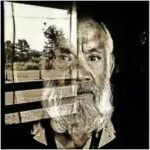





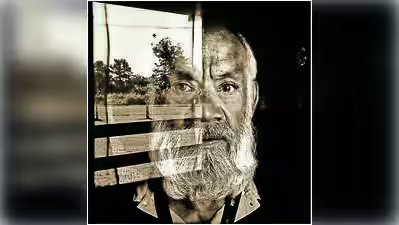
Hyderabad: Australian photographer Tace Stevens brings to Hyderabad, through her black-and-white portraits and archival photographs, the stories of indigenous men who survived one of the most painful chapters in Australia’s history, marked by the forced removal of indigenous children from their families.Her project, ‘We Were Just Little Boys’, is being showcased at the Indian Photo Festival in Hyderabad.The project documents men who were forcibly removed from their families as children under Australia’s assimilation policies and sent to institutions such as the Kinchela Boys Home in Kempsey, about four and a half hours north of Sydney. Their removal formed part of what is known as the ‘Stolen Generations’.The Stolen Generations refers to indigenous and Torres Strait Islander children who were forcibly separated from their families under Australia’s assimilation and protection policies, particularly between 1910 and the 1970s.Commissioned by the Magnum Foundation and the World Monuments Fund, the project was undertaken over two years at the request of the Kinchela Boys Home Aboriginal Organisation, a survivor-led body.In an online interview with TOI, Stevens said she had visited the site at least 10 times across different seasons, spending time with the survivors and documenting the place through their memories and experiences.Photographs of the boys were once used as propaganda to present the institution as a happy place where children were healthy and cared for, Stevens said. Her portraits offer a different account. The stark black-and-white images, some layered with archival photographs and images of the surviving structures, are accompanied by handwritten testimonies from the men, allowing their own words to sit alongside their portraits. One survivor, Uncle Michael Whitty Welsh, writes: “They took my family love.”The men endured physical, sexual and emotional abuse and were disconnected from their families, culture and language. “There was a big Moreton Bay fig tree on the site, which was used as a form of punishment. If the boys were being punished, they would be chained to the tree and left overnight. Several uncles recounted this, and some had experienced it themselves. Even today, two links of that chain remain attached to the tree,” Stevens told TOI.Stevens said she was conscious of not re-traumatising the survivors while documenting their experiences. “But the uncles (victims) said to me, ‘When we share our story, that’s healing for us because we get to leave a bit of pain with you.’ For me, it was such a privilege to be able to help them tell their story,” she added.The project also seeks to counter misinformation in Australia, where some continue to question whether the Stolen Generations existed or argue that the policy was beneficial.“Even though there was a lot of trauma and pain, it was really about highlighting the uncles’ resilience and strength, and the lives they’ve created for themselves and their families. That’s the focus of the project,” she said.On her first visit to India, Stevens said she hoped audiences here would engage with this important part of Australian history. “I think it’s just about listening and learning. The uncles are really proud to have their stories shared with different cultures and different countries,” she said.