







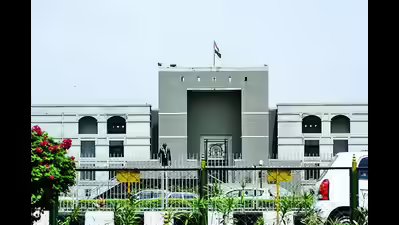
Ahmedabad: A UK citizen of Indian origin has approached the Gujarat high court seeking custody of his two children after his wife returned to India with them amid an ongoing child custody dispute in the Court of England and Wales. The court has declared the children to be its wards and directed the woman to return them.The husband’s counsel submitted before the HC that his client filed a petition in the UK court for custody of their 8-year-old son and one-year-old daughter, who were born in the UK. His wife attended the first hearing but later did not appear before the court, and instead returned to India with the children.Noting her absence during the proceedings, the UK court said that the children would remain wards of the court during their minority or until further order. The children’s mother was directed to return the children to the court on June 12.As the petitioner’s wife is in India, the man filed a habeas corpus petition in the HC seeking the children’s custody for their welfare. Besides, it was argued that since the wife was avoiding appearance before the UK court, necessary directions by the HC were required to be issued.The wife’s advocate submitted before the HC that his client was constrained to bring the children to India because of the husband’s addiction to alcohol. He has been undergoing rehabilitation as well. A police complaint was also filed in Ahmedabad. The children’s mother further filed a suit in the family court in Ahmedabad for permanent custody of the children under the provisions of the Guardians and Wards Act.The HC issued notice seeking a formal reply from the woman by June 23, and till then, her advocate agreed to allow the petitioner father to virtually meet the children twice on the weekends. The HC directed the lawyers to communicate to their clients regarding the timings. It further stated in the order: “Even the parties shall be at liberty to exchange the convenient timing for the meetings. Needless to clarify that both the parties shall put an attempt and facilitate the meeting of the children with the petitioner.”