









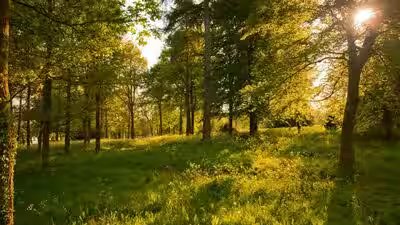
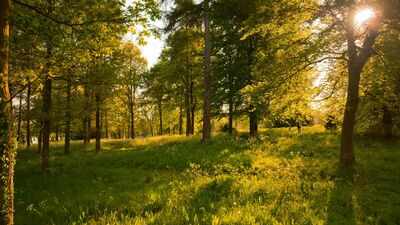
In the 1980s, Dr. Shin Theke Kang and his wife, Tae Sue Kang, made a long-term decision to protect a piece of land in southwestern Will County, Illinois, rather than develop it. Over the decades, the Chicago couple restored former agricultural areas, planted thousands of trees and cared for the woodland along Horse Creek. Now, all 126 acres have been acquired by the Forest Preserve District of Will County and will become Horse Creek Preserve, Kang Woodland. The announcement, reported by WJOL, marks the transition of a privately protected landscape into a public natural area. The property contains more than 32,000 surviving trees, including black walnut, oak, maple, ash, pine and cherry, as well as a historic bur oak believed to be hundreds of years old. The new preserve will carry the family name as a lasting tribute to their conservation efforts.
A different decision in the 1980s
When Dr. Shin Theke Kang and Tae Sue Kang acquired the Illinois property, they could have viewed it as land for future development or agricultural use. Instead, they chose to preserve it.The couple began protecting the property in the 1980s, when much of the surrounding landscape was still shaped by farming and other human activity. Their decision was not a short-term project. It became a decades-long effort to care for the land and improve its natural character.Some portions of the property had previously been used for agriculture. The Kangs began reforesting those areas so they could complement the older trees that had remained along Horse Creek.That approach required patience. Newly planted trees need years to become established, and not every sapling survives. The couple continued the work even though the full ecological benefits would not be visible immediately.Today, the result is a mature landscape that contains woodland, open areas and a creek corridor. What began as a private conservation decision has now become the foundation of a public forest preserve.
Planting thousands of trees
The Kangs hired a company to plant approximately 40,000 trees across the property. Many survived without irrigation, according to the Forest Preserve District and local reports.The surviving trees include black walnut, oak, maple, ash, pine and cherry. Together, they form a varied woodland rather than a single-species plantation.A diverse tree community can provide different types of habitat throughout the year. Some trees produce nuts or fruit, while others offer nesting spaces, shade and shelter. A mixture of species can also make the woodland more resilient to disease, pests and changing weather conditions.The planted trees now stand alongside legacy trees that were already growing near Horse Creek. That combination gives the property both young and mature habitat.Reforestation also changes the physical character of the land. Tree roots help stabilise soil, fallen leaves return nutrients to the ground and branches create cover for birds, mammals and insects.The Kangs’ work therefore involved more than adding trees to an open field. It helped rebuild a functioning woodland ecosystem over many decades.
The ancient bur oak
One of the property’s most notable natural features is a large bur oak that is thought to be hundreds of years old.The tree had been growing along Horse Creek before the Kangs began their restoration work. It represents a link to the landscape that existed before much of the surrounding land was cleared or cultivated.Bur oaks are particularly important in the Midwest. Their thick branches, rugged bark and large acorns provide shelter and food for wildlife. Older trees can also contain cavities and deadwood that support birds, bats, insects and other organisms.A tree that has survived for centuries can serve as a living record of the region’s environmental history. It has endured changes in land use, storms, droughts and generations of human activity.The newly planted trees may eventually reach a similar age, but the bur oak gives the preserve an immediate sense of deep time. It is one of the natural landmarks that makes the property more than a recently created woodland.
A preserve along Horse Creek
The new preserve is located in Custer Township in the southwestern part of Will County. The property follows Horse Creek, which flows into the Kankakee River near the Wauponsee Trail.Creek corridors are valuable because they connect different parts of a landscape. Waterways provide drinking and breeding areas, support vegetation and offer routes for wildlife to move between habitats.Trees along streams can shade the water, reduce erosion and help maintain cooler conditions for aquatic organisms. Fallen leaves and branches also contribute organic material to the creek and surrounding soil.The connection to the Kankakee River places the property within a wider watershed. Actions on the land can influence water quality downstream, making forest protection important beyond the boundaries of the preserve itself.The creek also adds a distinctive feature for future visitors. People may experience the preserve not only as a woodland but as a landscape shaped by flowing water, changing seasons and the relationship between forest and stream.
From private land to public preserve
On September 9, 2026, the Forest Preserve District of Will County purchased the 126 acres. The property will be known as Horse Creek Preserve, Kang Woodland.The acquisition means that the land will no longer depend solely on private ownership for its protection. The district will manage it as part of the county’s public forest preserve system.That transition can create new opportunities for residents. Public preserves may offer trails, nature observation, educational programs, volunteer activities and other forms of access, depending on the property’s development and management plans.The preserve will not necessarily be opened all at once. Staff may need to assess the land, identify sensitive habitats, plan access routes and determine how to protect the creek and mature trees.A careful opening process can help balance public enjoyment with ecological protection. Natural areas can be damaged by unmanaged foot traffic, invasive species, litter and disturbance during breeding seasons.The district’s responsibility will be to make the woodland available while preserving the conditions that make it valuable.
The family name will remain
Naming the preserve Kang Woodland creates a permanent connection between the family and the property.Many conservation stories focus on public agencies or large organisations, but the early work here was carried out by two private landowners. The Kangs protected the property long before it became part of the county preserve system.Their name will remind visitors that the woodland exists because someone made a decision decades earlier to preserve and restore it.The name also recognises the difference that individual landowners can make. A single property may appear small compared with a county or regional landscape, but it can provide a vital piece of habitat and create a link between other protected areas.By carrying the Kang name, the preserve will tell its history as people walk through the trees. The land will be public, but its conservation legacy will remain personal.
Why private conservation matters
A large amount of wildlife habitat exists on privately owned land. Owners decide whether to develop, farm, restore or protect their property.Private conservation can fill gaps in public land networks. A property may contain a wetland, forest or creek corridor that connects two larger natural areas. Protecting it can help animals move through the landscape and reduce habitat fragmentation.The Kangs’ project also demonstrates the value of long-term ownership. Because they maintained the property over several decades, they were able to see the effects of restoration and preserve features that might otherwise have been lost.Their decision did not rely on an immediate financial return. The benefits developed gradually through tree growth, habitat formation and improved ecological connections.When the public acquisition finally occurred, the Forest Preserve District received more than undeveloped acreage. It acquired a landscape that had already been cared for and shaped by conservation.
A living woodland, not just open space
The 126 acres will provide more than scenic views.The forest can support songbirds, woodpeckers, mammals, reptiles, amphibians and insects. Different tree ages create different nesting and shelter opportunities, while fallen logs and leaf litter provide habitat near the ground.The creek and its edges may support aquatic organisms, waterfowl and animals that depend on wet environments. Open areas can provide space for wildflowers and pollinators.A healthy woodland also contributes to broader environmental functions. Trees absorb carbon dioxide, release oxygen, reduce erosion and help slow stormwater. Their roots improve soil structure, while their canopies moderate temperatures.These benefits become more valuable as surrounding land is developed. A protected woodland can serve as a refuge for species that lose habitat elsewhere.The preserve may also provide educational value. Students, families and local residents can observe seasonal changes, learn about native trees and see how restoration develops over time.
Planning the public future
The Forest Preserve District purchased the property under its 2025 to 2030 capital improvement program, which includes funding for new land acquisitions. A local report said the district paid approximately $1.3 million for the property.The purchase is the first step in creating the public preserve. Future work may include surveys, trail planning, signage, habitat management and the removal of invasive plants.Any public access plan will need to account for the property’s ecological sensitivity. Horse Creek, mature trees and newly established woodland all require protection.Staff may also monitor how visitors use the property after it opens. If certain areas become heavily disturbed, the district could adjust routes or limit access during particular seasons.The goal is to make the preserve welcoming without treating it like an ordinary park. Its primary purpose is to protect natural resources, while recreation and education can be designed around that mission.
A conservation legacy that took decades
The story of Kang Woodland is a reminder that environmental restoration rarely happens quickly.The Kangs began protecting the property in the 1980s. They planted tens of thousands of trees, restored former agricultural land and preserved older woodland along Horse Creek. Decades later, the land has become a 126-acre public preserve.The timeline matters. A tree planted in the 1980s is now large enough to contribute meaningfully to the forest. A decision that once affected only one family’s property now benefits an entire community.The preserve also shows how private action and public conservation can work together. The Kangs protected and restored the land, while the Forest Preserve District secured its future and created the possibility of public access.Horse Creek Preserve, Kang Woodland, will stand as both a natural area and a record of long-term stewardship. Its trees carry the evidence of years of care, and its name will honour the couple who chose preservation when development might have seemed easier.What began as a private woodland in Illinois has now become a public inheritance for future generations.