






When conservationists bought a Wyoming cattle ranch in the 1990s, most people assumed the herds would disappear. Instead, they discovered something surprising: keeping cattle on the land, managed carefully, could actually protect it. This is the story of Red Canyon Ranch near Lander, Wyoming, purchased by The Nature Conservancy as an experiment in coexistence between ranching and wildlife. Rather than retiring the pastures, the organisation kept roughly 600 head of cattle grazing across the property, using science to test whether livestock and native ecosystems could genuinely thrive together. Decades later, the ranch stands as a working case study in adaptive land management, one that continues to shape how conservation groups across the American West think about grazing, biodiversity, and the future of working lands.
How a Wyoming ranch proved cattle grazing could save an ecosystem, not destroy it
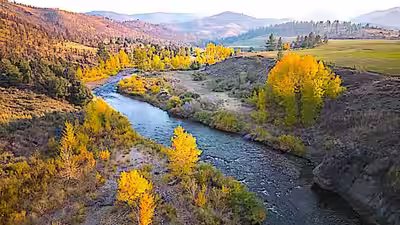
In the early 1990s, The Nature Conservancy acquired Red Canyon Ranch, a roughly 35,000-acre spread near Lander, Wyoming, made up of about 5,000 deeded acres alongside tens of thousands of leased federal acres. The purchase was unusual for its time. Rather than converting the property into an untouched nature preserve, the organization chose to keep it operating as a working cattle ranch. This decision reflected a broader shift within the conservation world during the era, one that questioned whether removing all human activity was truly the best path to protecting fragile landscapes, or whether carefully managed use could sometimes do the job just as well.
Why grazing stayed part of the plan
Cattle didn’t stay on Red Canyon Ranch out of sentiment, the reasoning was ecological. For thousands of years, grazing animals had shaped Wyoming’s sagebrush steppe and grasslands, starting with bison and other native herbivores that roamed the land long before ranching existed. Pull large grazers out entirely, and you don’t necessarily get a healthier landscape; you risk disrupting processes the ecosystem has come to depend on. So the Conservancy took a different route: using cattle to stand in for that lost grazing pressure, moving herds through rotational and adaptive patterns designed to echo how wild grazers once used the land. This approach aimed to maintain healthy grasslands, support diverse plant communities, and avoid the overgrazing that had damaged other Western rangelands throughout the twentieth century.
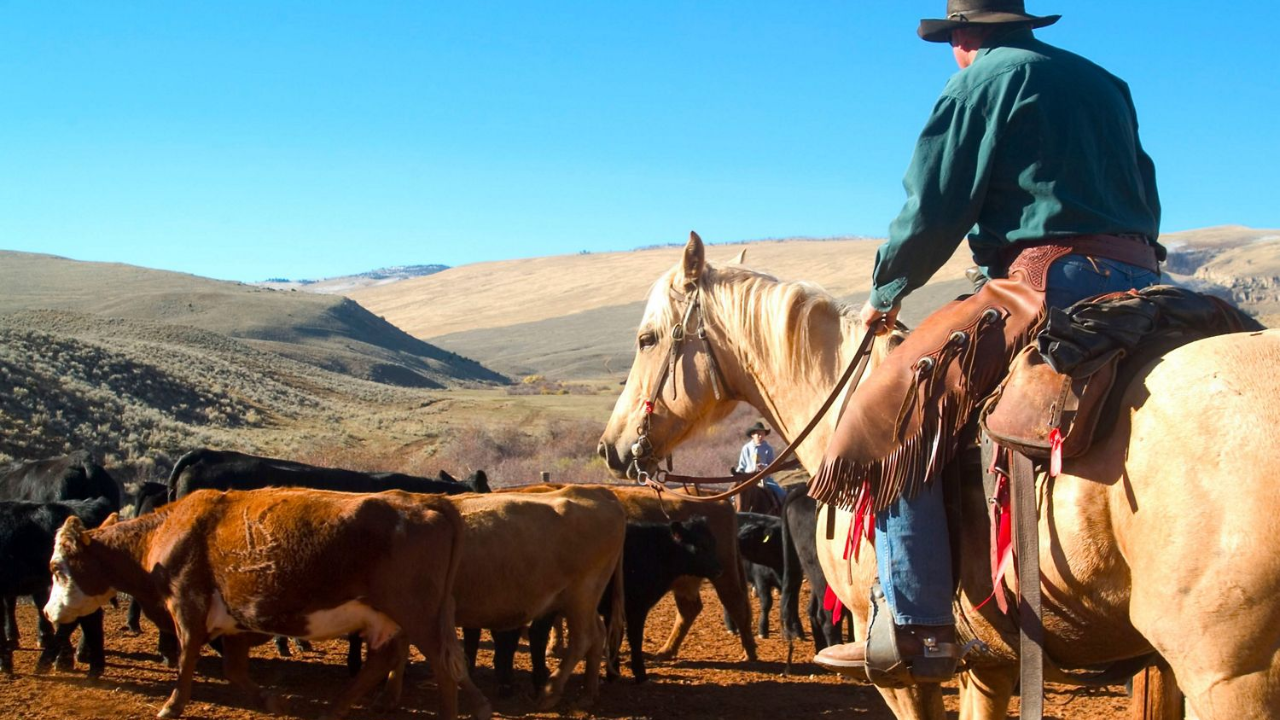
Cattle at Red Canyon Ranch (Image: Chuck Diggins)
Balancing wildlife, water, and working land
However, the rationale for cattle grazing at the Red Canyon Ranch was based on ecology, not emotions. Large grazers have been a part of the sagebrush steppe and grasslands of Wyoming for thousands of years, first in the form of bison and other native herbivores. Complete elimination of grazing from the area, experts argued, would not be a restoration but an interference into the natural processes. Hence, The Conservancy used cattle to emulate the historical pattern of grazing with the use of rotational and adaptive grazing techniques. The ongoing presence of a working herd meant researchers could gather real, long-term data on how grazing intensity and timing affected the broader ecosystem.
A model that still shapes conservation today
Red Canyon Ranch helped popularize a strategy now used on conservation properties across the West: keeping agriculture and biodiversity goals aligned rather than treating them as opposites. The approach has since informed similar projects on other working ranches, where conservation groups partner with ranchers instead of buying them out entirely. It hasn’t been without debate, since some critics argue that any grazing carries ecological costs compared with fully rested land. Still, the ranch’s decades-long track record offers real evidence that thoughtfully managed livestock operations can coexist with wildlife conservation, offering a template for balancing food production, rural livelihoods, and ecosystem health.