





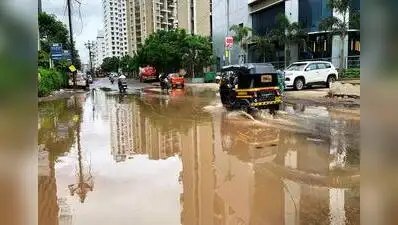
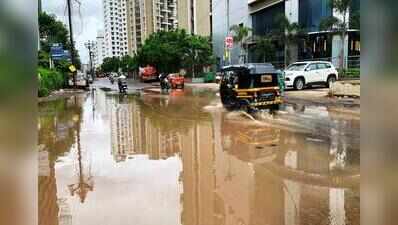
Pune: Heavy showers have left roads waterlogged, underpasses flooded, and traffic jams across the city, including Shivajinagar, Dattawadi, Rasta Peth, Kharadi, Baner, Hinjawadi and Wakad. The rainfall has also exposed yet another cost of poor urban infrastructure – a surge in commute pricing.While choked drains, tree falls and power outages slowed movement, delays in PMPML buses pushed thousands towards ride-hailing apps. As demand spiked, commuters are reporting fares doubling, and in some instances tripling, with cab rides.“There was nowhere to stand dry at the bus stop. After waiting for half an hour, I booked a cab. The fare is usually Rs 280 to my home, but it shot up to Rs 680. I can’t afford that every time it rains,” said Sheetal Kale, a nurse at a nursing home in Shivajinagar.Airport passengers, office-goers, students and hospital visitors were among those paying the premium to avoid long waits or cancelled buses. Cab drivers cited longer trip durations, flooded roads and fewer vehicles on the road as their reasons for accepting only higher-value rides.While dynamic pricing is built into app-based services, commuters argue that paying hundreds of rupees extra during civic failures effectively amounts to a “rain tax” imposed on citizens already grappling with flooded streets and unreliable public transport.Not just ride aggregators, but local autorickshaws also ask for unreasonable amounts when it rains. “I tried to stop a running rickshaw. The driver halted but demanded an extra Rs 250 beyond the meter because of the rain. He said he would take me via a longer route. I had no choice due to my leg injury, and I paid. I feel the pinch in my pocket whenever we have to go out during the rains,” said Asha Thangal, a resident of Rasta Peth.Another commuter, Vivek Deshmukh from Katraj, recounted a distressing airport run. “I had a flight and every aggregator was showing surge prices. One driver agreed only if I paid Rs 1,000 instead of Rs 650. When I tried to reason with him, he brought up waterlogging and traffic jams along the route. I had to pay extra or I would have missed my flight. It’s terrifying when infrastructure fails and people are charged more because of it,” said Deshmukh.Drivers offer a different view. “When roads are flooded, trips take double time,” said Rajesh Tupe, a rickshaw driver from Shivajinagar. “If I accept normal fares, I make no money because I can do fewer trips and I pay more for maintenance and fuel. Asking extra is survival, not greed,” said Tupe.A cab driver for an aggregator app explained vehicle economics during surge. He said drivers don’t always get the full surge amount; platforms take a cut, yet longer hours, traffic and idling burn fuel and time. “If an app shows a surge, many drivers log off until it’s worth taking the risk. Such a shortage of cabs itself pushes the price higher,” he said.Commuters said these episodes expose deeper problems: inadequate drainage, poor contingency planning for public transport, and a market that monetises on civic failure. Until infrastructure and service resilience improve, rains will continue to cost Pune residents in time, safety, and money.