










Almost everyone has noticed it. The water at home tastes perfectly normal, yet the moment you travel to another town or country, every sip feels noticeably different. Some water seems sweet and refreshing, while others taste metallic, salty, earthy or even slightly like chlorine. This isn’t simply imagination. The flavour of drinking water is influenced by a complex combination of natural geology, dissolved minerals, treatment processes, plumbing systems and even the temperature at which it is served. Scientists have long recognised that water is far from flavourless. Instead, it acts as a carrier for tiny amounts of naturally occurring substances that our taste buds can detect with remarkable sensitivity. Understanding these factors reveals why no two water supplies are ever exactly the same.
Why minerals, geology and nature shape the flavour of drinking water
Pure H₂O is virtually tasteless. The distinctive flavour people associate with drinking water comes from the dissolved minerals and compounds it collects during its journey through rocks, soil and underground aquifers.As rainwater filters through the Earth, it dissolves naturally occurring minerals such as calcium, magnesium, sodium, potassium and bicarbonate. The exact mix depends entirely on the local geology. Areas dominated by limestone often produce what is known as hard water, containing higher concentrations of calcium and magnesium, whereas regions with granite or sandstone generally have soft water, which contains fewer dissolved minerals.According to the World Health Organisation’s Acceptability aspects: taste, odour and appearance:“The taste of drinking-water is influenced mainly by the presence of naturally occurring inorganic constituents.”The WHO also notes that many consumers actually prefer water containing moderate levels of minerals because it often tastes fresher and less flat than highly purified water.The United States Geological Survey (USGS) explains that dissolved minerals are responsible for measurable differences in hardness, alkalinity and overall taste between regions.
How water treatment, pipes and storage change what you taste
Natural minerals are only part of the story. Prior to arriving at the consumer’s tap, drinking water is processed in such a way as to make it safe for consumption, which could impact the taste of the water.Most water providers use chlorine or chloramines for disinfecting water. Though these compounds are used within safe levels, they may impart an odour of chlorine or a “swimming pool-like” smell, especially right after disinfection.According to the US Environmental Protection Agency (EPA), disinfectants are regulated in such a way as to ensure protection from contaminants while not compromising the taste and other aesthetic properties of water.After treatment, water is still far from being consumed since it needs to travel through kilometres of pipes. Depending on the age and material of plumbing systems, tiny amounts of metals such as copper or iron can dissolve into the water, particularly if it has remained stagnant in pipes overnight. This is why the first glass drawn in the morning may taste slightly different from water that has been allowed to run briefly.Storage also matters. Water kept in plastic bottles, stainless steel flasks or household tanks can gradually absorb subtle flavours from its surroundings, especially if exposed to heat or sunlight.Temperature plays an equally important role. Cold water suppresses certain taste sensations, making it seem cleaner and more refreshing, whereas warmer water allows dissolved compounds to become more noticeable.
Can you really taste the difference between bottled, tap and spring water
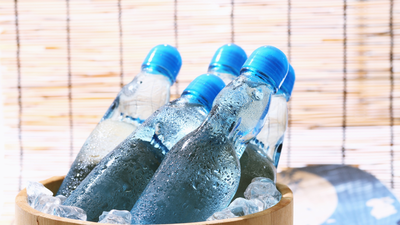
Yes, but not always for the reasons people expect.Bottled waters vary enormously depending on their source. Natural spring and mineral waters retain many of the dissolved minerals acquired underground, giving each brand its own distinctive taste profile. Purified bottled water, however, often begins as municipal tap water before undergoing advanced filtration methods such as reverse osmosis, after which selected minerals may be added back to improve flavour.Different categories of bottled water are defined by their origin and treatment methods rather than by taste alone.Interestingly, scientific studies have shown that taste preferences are highly individual. Water containing moderate amounts of calcium and magnesium is often rated as smoother or sweeter, while elevated sodium concentrations can produce a slightly salty flavour. Sulphates may introduce a bitter note, and naturally occurring iron can create a metallic aftertaste.It has been scientifically proven that we are able to tell apart different mineral waters, although all samples meet requirements for drinking water quality.Another fact about water tasting is that our olfactory system plays an important role in defining the taste of water. Any smells caused by organic materials, which dissolve in the water, will affect the taste, although the level of safety is absolutely acceptable.Drinking water from a glass is not only pure water. It contains information about the rock through which the water has passed under the soil, the rivers and lakes it has crossed and, of course, purification technologies, and even the pipes where it was transported. These differences in composition, chemical structure and temperature make water taste different.This does not mean that water is of poor quality, but, on the contrary, these characteristics help to identify the uniqueness of a place. The matter is that if drinking water meets safety requirements, then changes in taste should be treated as interesting.