








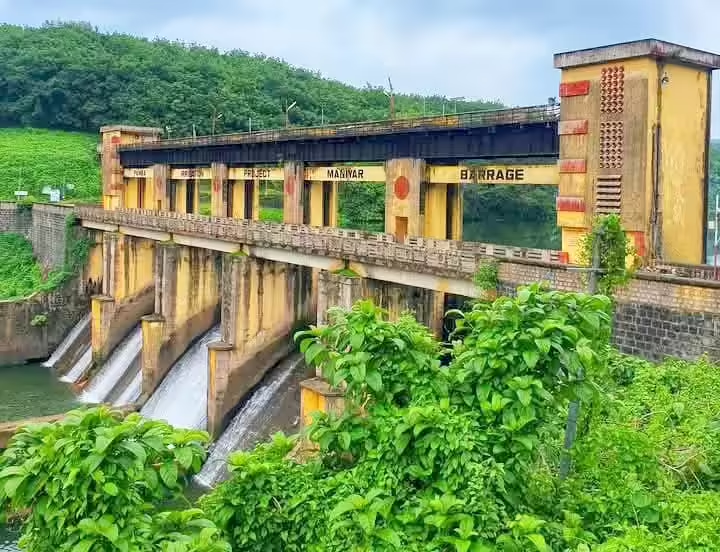
Kullu: The Himachal Pradesh jal shakti department has confirmed that two small hydro projects coming up near Kasol in Parvati Valley draw water from the same rivulet, lending weight to allegations of project splitting to bypass cumulative environmental appraisal.In an affidavit before the National Green Tribunal (NGT), superintending engineer Bhag Singh stated that the two 5MW projects — Kasol small hydro project, owned by Beena Butail, wife of veteran Congress leader Brij Bihari Butail and mother of Palampur MLA Ashish Butail, and Grahan-Kasol hydro project, owned by Palampur-based tea grower Dinesh Butail — source water from a single stream system, with Grahan upstream and Kasol downstream.The affidavit noted that the Kasol project allotment refers to the stream as “Kasol river”, while the Grahan-Kasol project identifies it as “Grahan Nallah”, despite both being part of the same system.The department said both proposals were processed independently as they were submitted by separate legal entities with distinct allotments from HIMURJA, the state agency for small hydro projects. “Accordingly, NOCs were issued based on the nomenclature in the allotment letters, without concealment or fraud by the department,” it stated.The affidavit gains significance as project proponents have been accused of regulatory evasion by portraying the projects as being on different streams to avoid cumulative scrutiny.The department maintained that no drinking water or irrigation scheme is affected, and clarified its role is limited to safeguarding such schemes, not environmental appraisal, forest clearance or cumulative impact assessment.The NGT took up the matter in December last year on a plea by Thunja village residents. In their application, filed by Chandresh Kumar and social activist Rohit Singh, villagers alleged that blasting and excavation for head race tunnels were being carried out below the village without studies on slope stability, vibration impact or disaster risk.They warned of threats to life, property, water security and wildlife, and urged the tribunal to halt work on what they termed “unstable terrain”, also alleging deliberate regulatory evasion to avoid scrutiny.The applicants also accused the projects’ proponents of “regulatory evasion” and deliberately hiding facts to avoid scrutiny and cumulative appraisal of the project.