




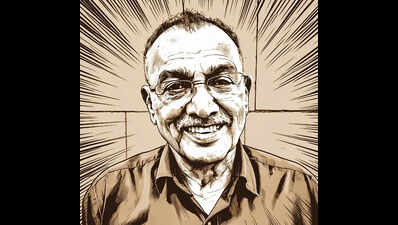

The Portuguese were dictators, plain and simple. We had no civil liberties, no freedom of speech. When Ram Manohar Lohia was arrested in Margao on June 18, 1946, something changed. People rose in defiance. Satyagrahis took to the streets unarmed, and the Portuguese responded with bullets at Patradevi and elsewhere. People died for this soil. Freedom did not come easy.While many chose satyagraha, the Azad Gomantak Dal took up armed resistance, attacking police stations and seizing weapons. The satyagraha movement eventually subsided, but the Dal fought until the end. On Dec 19, 1961, the Portuguese left and Goa was free.
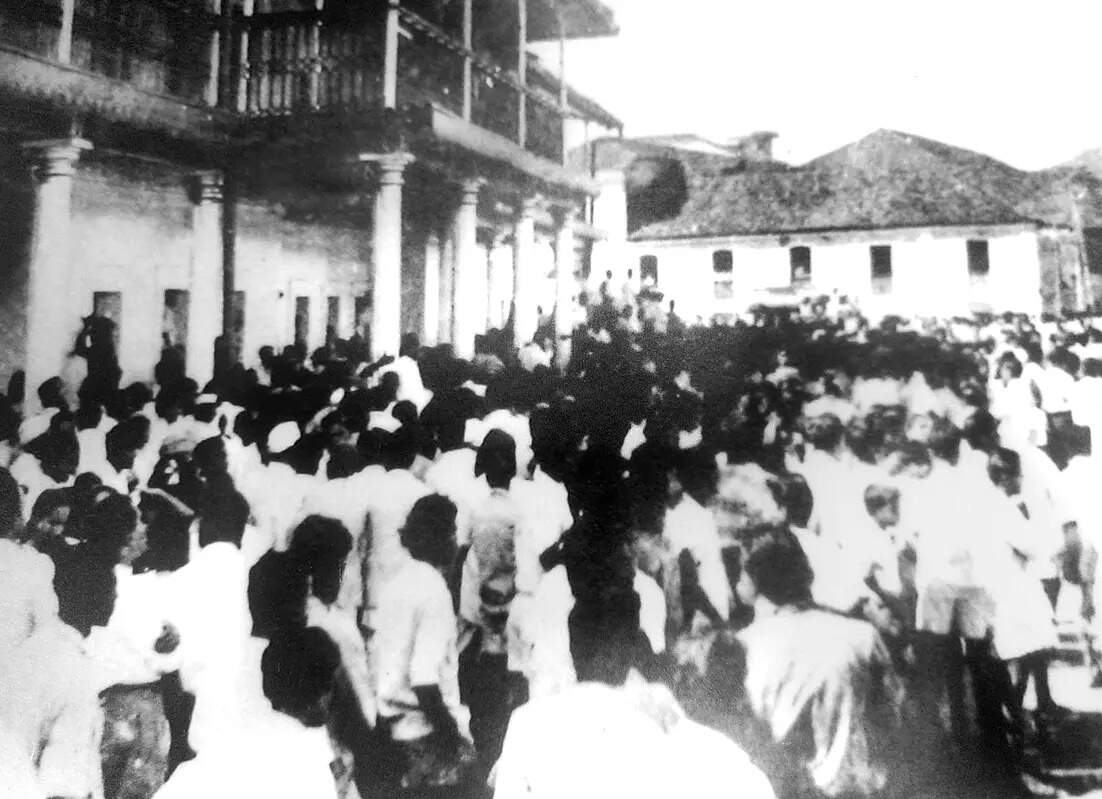
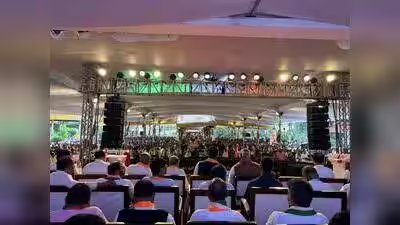
SHOW OF STRENGTH: A mass gathering outside a public building when the colonial rule was nearing its end
What followed, however, has often fallen short of what we fought for. Democracy arrived, but freedom fighters were largely forgotten. Successive govts did little beyond token gestures. In recent years, there have been positive steps, including recognising Goa’s freedom struggle in the academic curriculum and efforts to make govt recruitment more transparent. Yet corruption remains rampant. Those who speak out often face consequences. Hills are being razed, fields are disappearing and lawlessness is growing. This is not what we bled for.Very few freedom fighters remain. The responsibility now belongs to Goa’s youth. They must launch a new revolution — peaceful, fearless and democratic. The dream we fought for remains unfinished.(Rohidas Dessai, president of Goa Freedom Fighters Association, spoke to Govind Maad)