








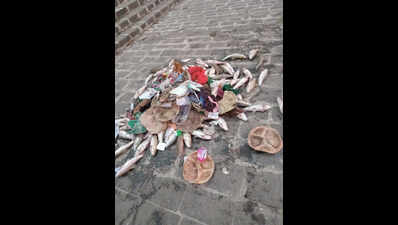
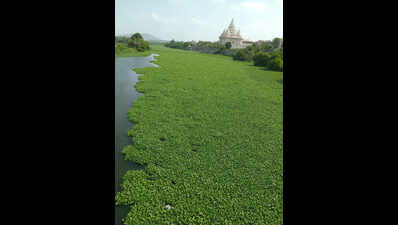
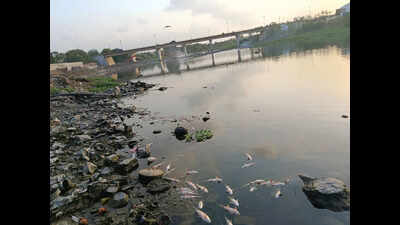
Pune: Residents and environmental activists have expressed concern after dozens of dead fish were found floating in the Indrayani River near Dehu on Saturday, once again drawing attention to the river’s worsening pollution ahead of the annual palkhi procession of Sant Tukaram Maharaj.The incident comes just weeks before thousands of warkaris are expected to gather in Dehu for the Ashadhi wari pilgrimage. The palkhi is scheduled to leave for Pandharpur on July 7.Dinkar Jadhav, a local resident who noticed the dead fish during a clean-up drive on Saturday morning, said he and other volunteers had gone to collect plastic waste from the riverbed and bridge area when they spotted the fish floating in the water.“We suspect pollution is the reason behind the deaths. The Indrayani has been polluted for years, and despite repeated complaints, the situation remains unchanged,” Jadhav said.He said a similar incident was reported last year and alleged that inadequate river-cleaning efforts had allowed large stretches of the river between Yelwadi and the Gatha Temple to become clogged with water hyacinth.“Untreated sewage from nearby localities and industrial discharge regularly enter the river. Plastic waste further adds to the pollution burden,” he said.The Indrayani River holds special religious significance for the warkari community. Devotees traditionally take a holy dip and perform ‘teerth snaan’ in the river before joining the palkhi.Activists and devotees said the issue has repeatedly been raised with authorities, including the chief minister and other ministers during their visits to Dehu and Alandi. However, they alleged that apart from assurances, no concrete solution has emerged. In recent years, temple authorities have also advised devotees not to drink water from the river while performing ‘teerth snaan’ because of health concerns.Jalindar Maharaj More, president and trustee of the Sant Tukaram Maharaj Sansthan, Dehu, said the trust has repeatedly raised concerns over recurring fish deaths and pollution in the Indrayani River with local authorities and the state govt.“We have been continuously following up with the departments concerned on the issue. Keeping devotees’ health in mind, we have already appealed to warkaris not to drink river water while performing teerth snaan and instead only sprinkle or pour the water on their feet to observe the ritual. The same advisory will also be included in pamphlets and banners that will be distributed ahead of the procession,” he said.Nisar Syed of Avirat Foundation said, “The local bodies along the river are largely responsible for the situation. Both the Dehu and Alandi municipal councils lack functional STPs, resulting in untreated sewage being discharged directly into the Indrayani. The Pimpri Chinchwad Municipal Corporation, too, does not have the capacity to treat all the wastewater generated, and in some cases untreated effluent is allegedly discharged into the river. A similar situation exists in Chakan.”“This has been the reality for the last 10 to 15 years, but authorities have failed to find a lasting solution. Instead, they continue to spend money on events while neglecting the pollution of this sacred river,” he added.Last year, the National Green Tribunal (NGT) issued a notice to the Dehu Nagar Panchayat seeking a timeline for setting up a sewage treatment plant (STP) after concerns were raised over untreated domestic sewage being discharged into the river.Dehu Municipal Council chief executive officer Chetan Konde, however, said the fish deaths could be linked to the sharp decline in water levels.“Due to delayed rainfall and the likely impact of El Nino-like conditions, irrigation authorities have curtailed water releases into the river. As a result, water levels have dropped significantly, and the water has remained stagnant for a prolonged period,” he said.Konde said the council has initiated bioremediation measures, a technology used to remove pollutants, and is spending around Rs 30 lakh on the project to improve water quality.He said the Pune Metropolitan Region Development Authority (PMRDA) will soon set up two STPs with capacities of 8 MLD and 4 MLD in Dehu, although work orders are yet to be issued.Regarding the water hyacinth, Konde said removal work is already underway.“Most of the hyacinth has already been cleared. The remaining stretch near the Gatha Temple will be cleaned within a week,” he said.