








NEW DELHI: The devastating fire at a restaurant/hotel in Malviya Nagar that claimed more than 20 lives on Wednesday has once again raised uncomfortable questions about fire safety in Delhi’s densely packed urban villages and commercial clusters, where narrow lanes, unauthorised constructions and mixed land use often create conditions ripe for disaster.While authorities are still investigating the exact cause of the blaze, urban planners, fire officials and residents say the factors that make such tragedies deadly are neither new nor unique to Delhi.Congested lanes hamper rescue effortsOne of the biggest challenges faced by emergency responders in many parts of Delhi is access.Large sections of south Delhi’s urban villages, including Malviya Nagar, Hauz Rani, Khirki Extension, Munirka, Shahpur Jat and Katwaria Sarai, are characterised by narrow lanes that were never designed to accommodate heavy commercial activity.When fires break out, fire tenders often struggle to reach the affected buildings. Vehicles parked haphazardly, street vendors occupying public spaces and unauthorised encroachments further reduce already limited access.
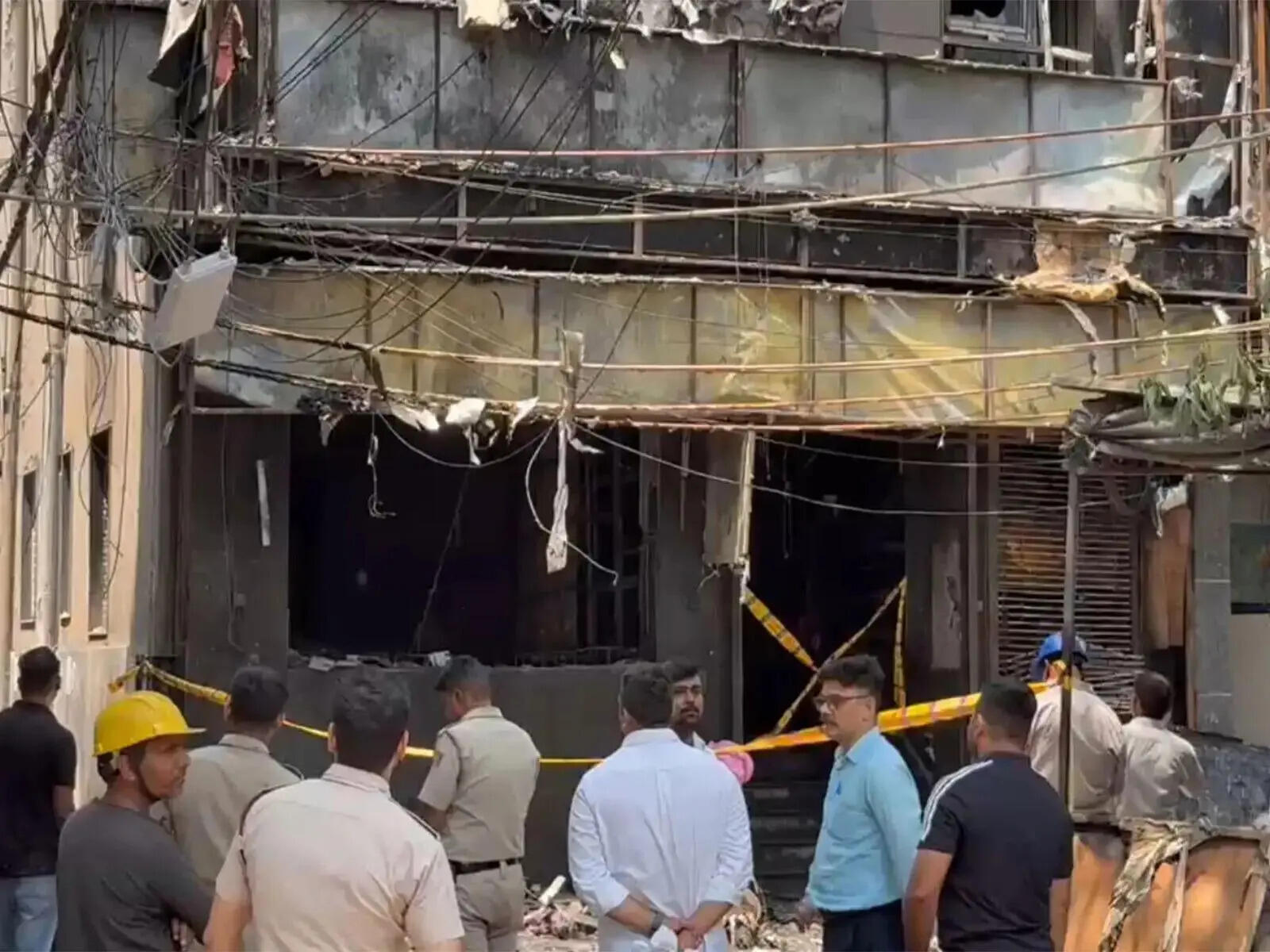
Image Credit: PTI
Firemen often say that in many such localities, firefighters are forced to stretch hoses through narrow passages and climb buildings manually, losing crucial minutes that can make the difference between life and death.Mixed residential-commercial use creates risksOver the years, Delhi’s urban villages have transformed into thriving commercial hubs.Buildings originally constructed as residential houses are now frequently used as restaurants, guesthouses, hostels, coaching centres, offices, warehouses and retail establishments.In many cases, commercial activity has expanded without corresponding upgrades to fire safety infrastructure.
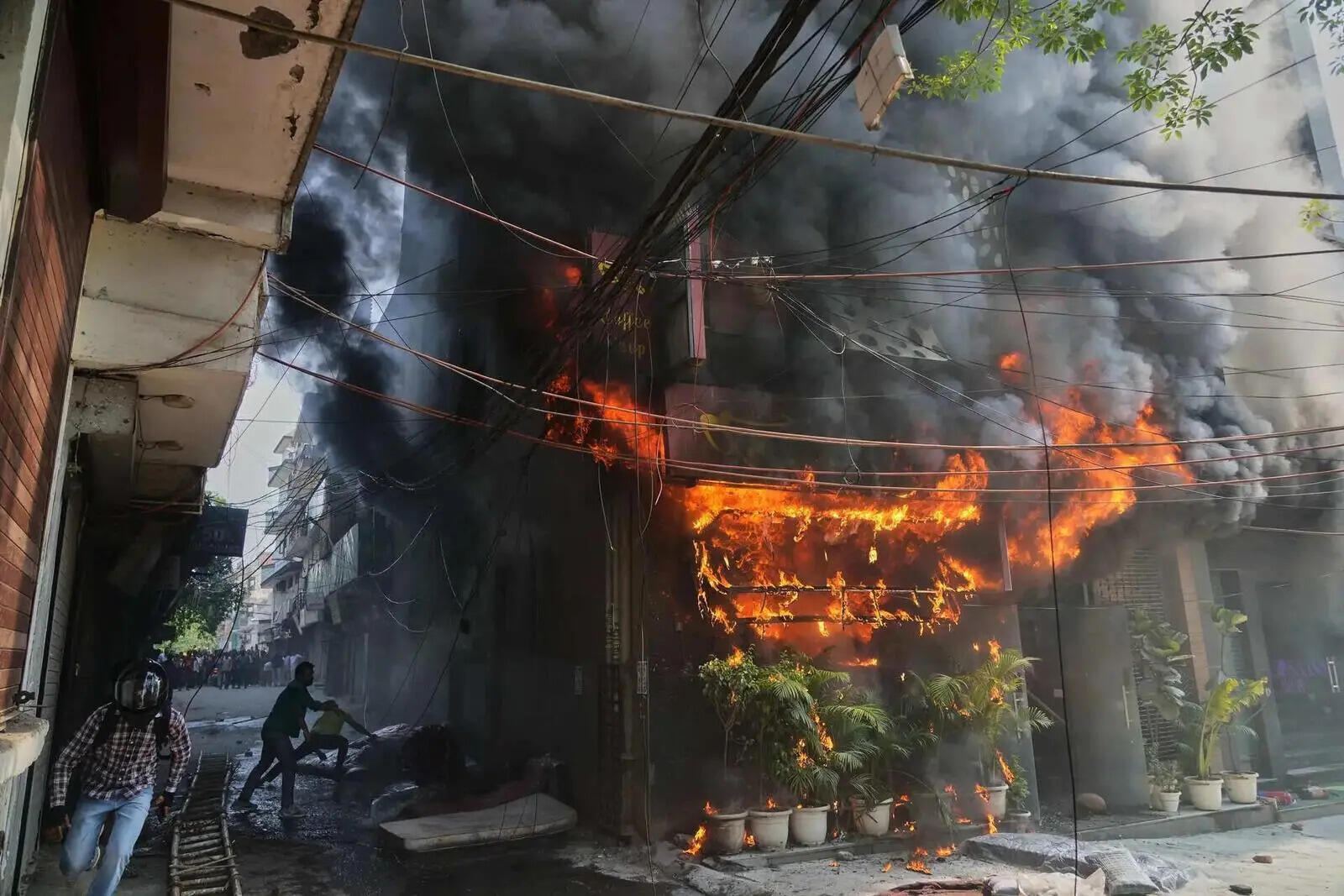
Fire sweeps through a New Delhi building, killing at least 21 people (AP Photo)
Additional floors are added, basements are converted into commercial spaces and electrical loads increase significantly as businesses install air-conditioning units, kitchen equipment and other machinery.Experts say such conversions often create a mismatch between a building’s design and its actual use.The risks are particularly acute in restaurants and eateries where cooking gas cylinders, electrical equipment and crowded seating arrangements increase the potential for accidents.Basements often become death trapsInvestigators are examining whether the fire in Malviya Nagar spread through the building’s lower levels, drawing attention once again to the dangers associated with basement spaces.Basements in many commercial establishments are used for storage, kitchens, staff accommodation or customer seating despite safety concerns.
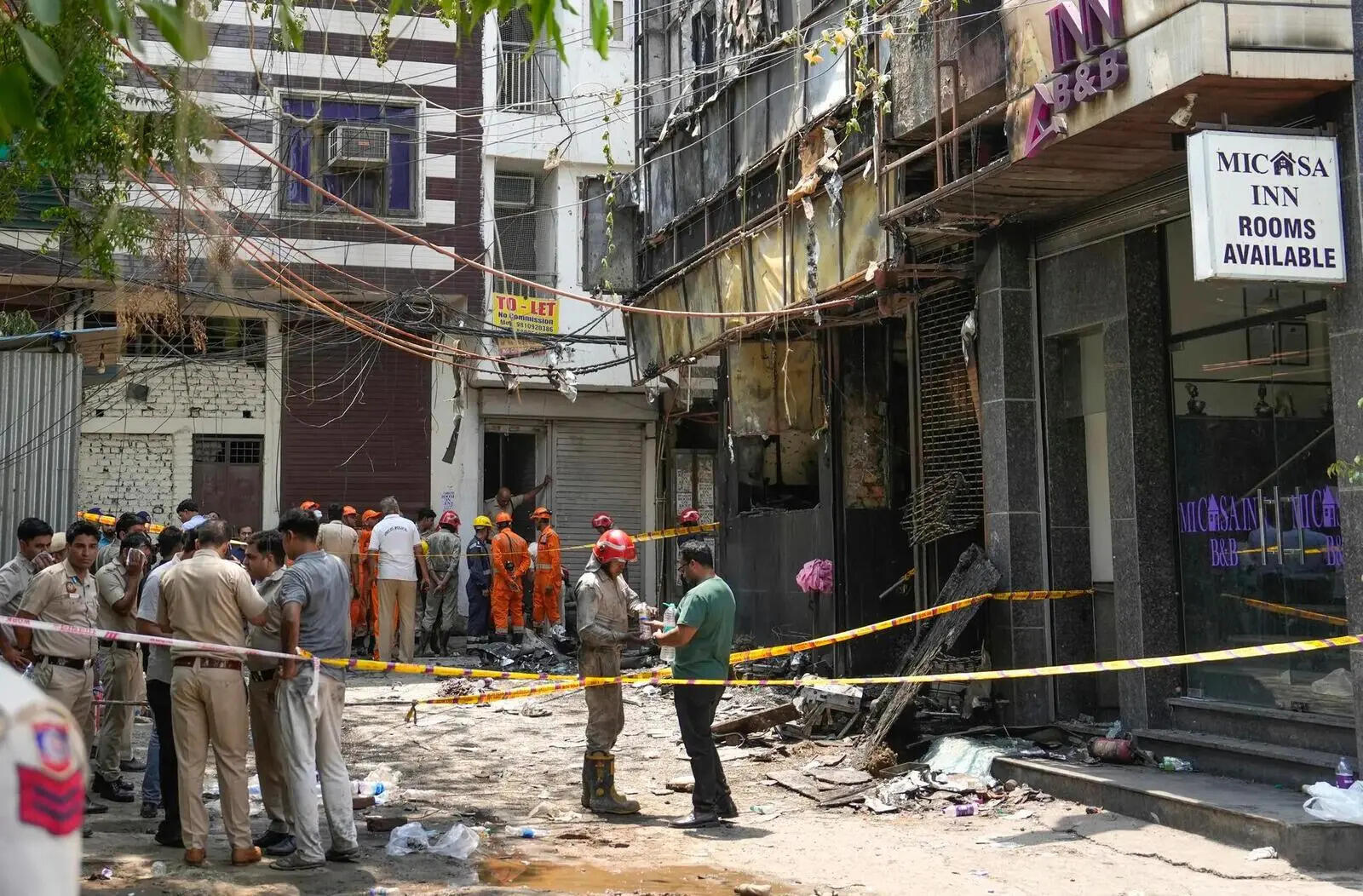
Fire experts warn that smoke accumulates rapidly in enclosed underground areas. Occupants may become disoriented within minutes, while rescue operations become significantly more complicated.Several major fire tragedies across the country have involved basements where people were unable to escape after smoke filled enclosed spaces.Officials acknowledge that ensuring compliance in thousands of commercial establishments remains a major challenge.Fire engine accessibility remains a major concernDelhi Fire Services has repeatedly highlighted accessibility as a key issue during inspections.According to officials, many commercial clusters have expanded faster than civic infrastructure. Roads that were originally meant for residential neighbourhoods now serve high-density commercial zones with substantial daily footfall.In several areas, even medium-sized fire tenders find it difficult to manoeuvre.Residents of urban villages say the problem has worsened over the years as commercial activity has intensified.
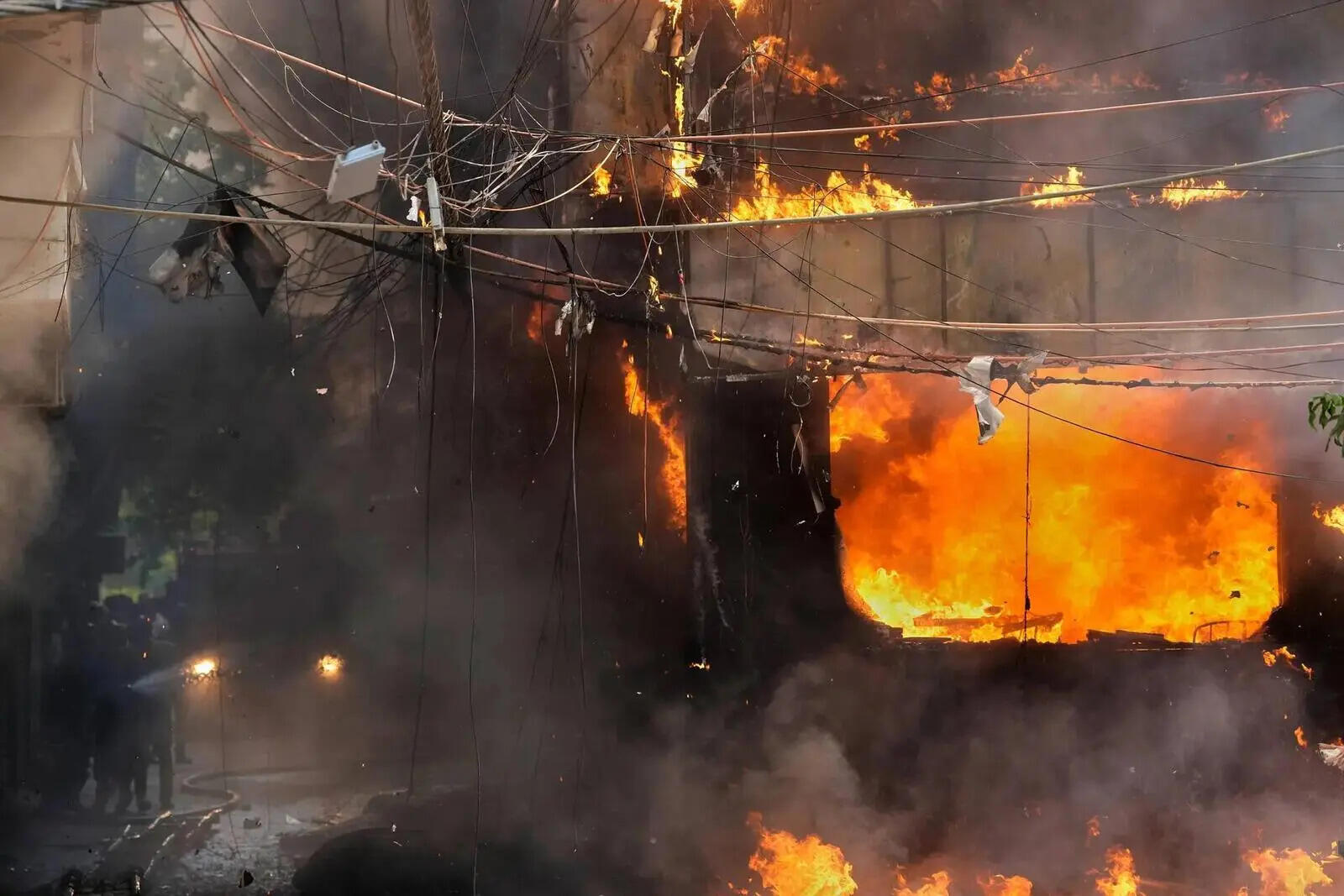
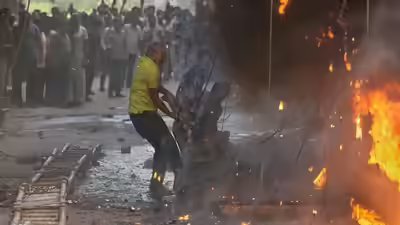
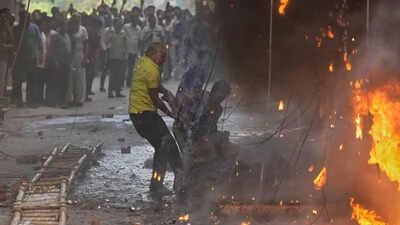
Photos show a rescue operation in a New Delhi hotel fire. (AP Photo)
Urban planners argue that emergency access needs to become a central consideration in redevelopment policies. Without wider access routes and stricter enforcement against encroachments, emergency services will continue to face operational constraints.Similar vulnerable pockets across the citySeveral densely populated commercial and mixed-use neighbourhoods across Delhi share similar characteristics.Areas such as Laxmi Nagar, Uttam Nagar, Sangam Vihar, Gandhi Nagar, Sadar Bazaar, Chandni Chowk, Seelampur, Bhajanpura and parts of Karol Bagh have long been identified as high-risk zones because of dense construction, narrow access roads and heavy commercial activity.In many localities, electrical wiring networks have expanded in an ad hoc manner over decades. Residents and business owners often rely on additional wiring and equipment to meet growing power demands.Fire officials say overloaded electrical systems remain among the most common causes of urban fires.The challenge is compounded by the sheer scale of enforcement required. Thousands of buildings operate in areas where land use patterns have evolved far beyond their original planning framework.Lessons from previous disastersDelhi has witnessed multiple major fires over the past decade, including the Anaj Mandi blaze, the Mundka commercial building fire and the Vivek Vihar hospital tragedy.Investigations into many of these incidents revealed recurring themes: blocked exits, unauthorised alterations, inadequate fire safety measures and delayed evacuation.Experts argue that despite repeated inquiries and recommendations, enforcement often weakens once public attention shifts elsewhere.Need for proactive enforcementUrban safety experts say preventing future tragedies will require a combination of stricter enforcement, regular audits and improved urban planning.Experts recommend periodic fire safety inspections for restaurants, guesthouses and commercial establishments operating in densely populated neighbourhoods in Delhi. Better monitoring of building modifications, stricter penalties for violations and public awareness campaigns are also seen as essential.Wednesday’s tragedy serves as a stark reminder that city’s fire challenges extend far beyond a single building fire for residents living in Delhi’s urban and crowded commercial hubs.As investigators gather more detailed information about what happened in Malviya Nagar, the larger question confronting authorities is whether Delhi can address the systemic vulnerabilities that continue to turn densely packed neighbourhoods into potential fire traps.