










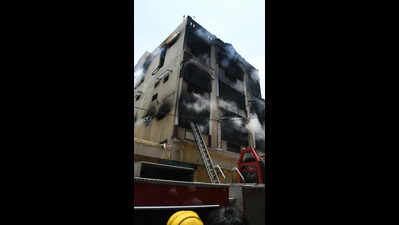
Hyderabad: Telangana has recorded a dramatic spike in fire incidents during the first five months of 2026, with firefighters responding to 7,570 emergency calls — a jump of 1,914 cases compared to the same period last year. The 33.8% rise underscores growing risks in urban and rural areas alike.Official data shows careless smoking and discarded cigarette butts remain the single largest trigger, causing 3,991 fires this year, up from 2,886 in 2025 — a surge of more than 38%. Electrical faults were the second leading cause, climbing from 1,237 incidents last year to 1,557 in 2026.A senior fire official explained, “The increase is not due to any single factor. This summer saw prolonged heatwave conditions, which dried out vegetation and waste material, making them highly combustible. At the same time, there has been a rise in careless disposal of cigarette butts in open areas, roadside locations and commercial premises. Higher temperatures also increase the load on electrical systems, contributing to more short circuit-related fires.”District-wise, Hyderabad topped the list with 765 incidents, followed by Khammam (620), Rangareddy (445), Nizamabad (372), Medchal-Malkajgiri (351), Sangareddy (335) and Karimnagar (328). Several districts, including Khammam, Hanumakonda, Nizamabad and Suryapet, reported noticeable increases compared to last year.By category, farm lands (2,093 incidents) and refuse/outdoor storage fires (2,014 incidents) together accounted for more than half of all cases, highlighting the vulnerability of open spaces during peak summer.Property losses also mounted. Damage was estimated at ₹354.82 crore between Jan and May, up nearly 19% from ₹298.34 crore in the same period last year.Yet amid the rise in incidents, rescue outcomes improved significantly. Lives saved jumped from 49 in 2025 to 156 this year, while fatalities dropped from 51 to 21. Rescue operations rose from 295 to 321, and emergency responses increased from 37 to 49. Firefighters also managed to save property worth ₹904.72 crore, though this was lower than the ₹1,835.28 crore saved last year.