








Ahmedabad, a city which requires between 2.5 lakh to 3 lakh construction workers is witnessing slow project progress
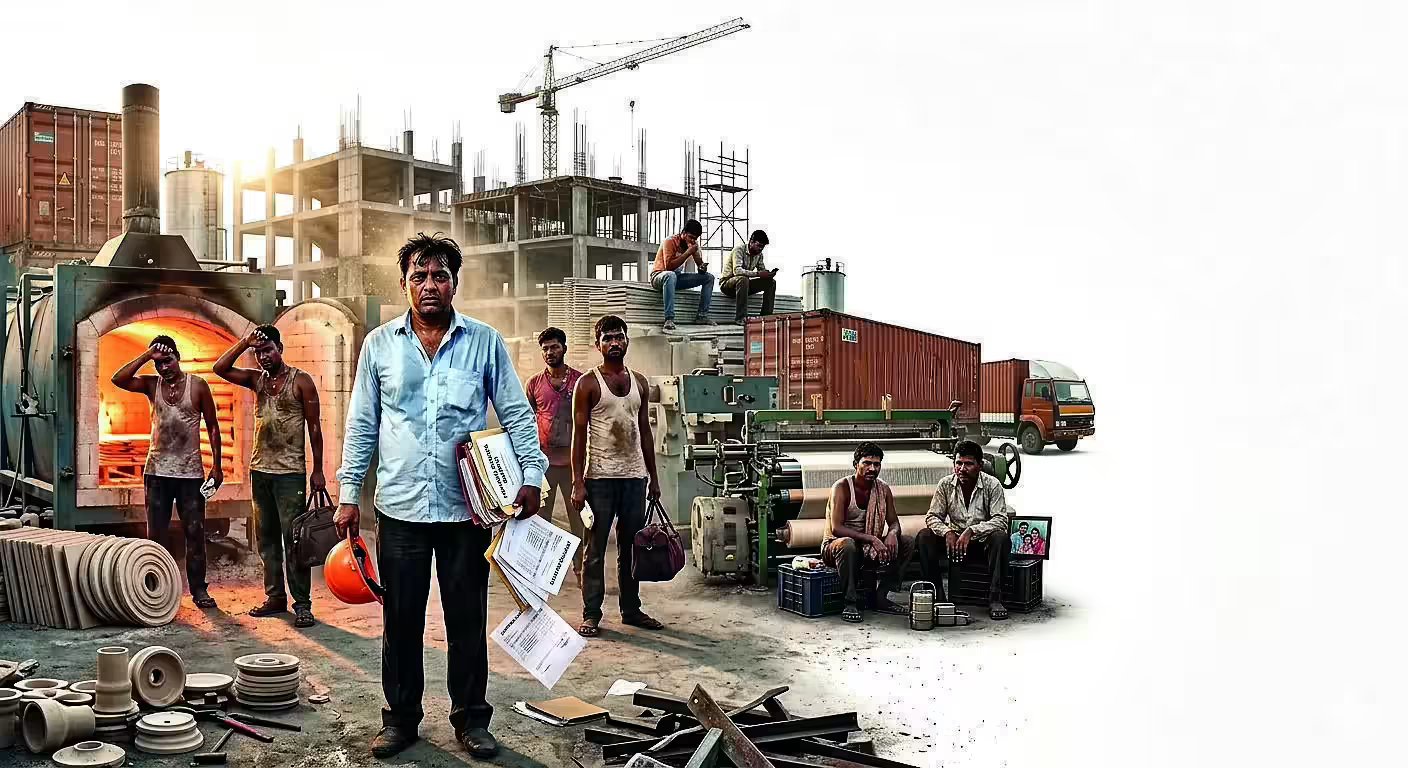
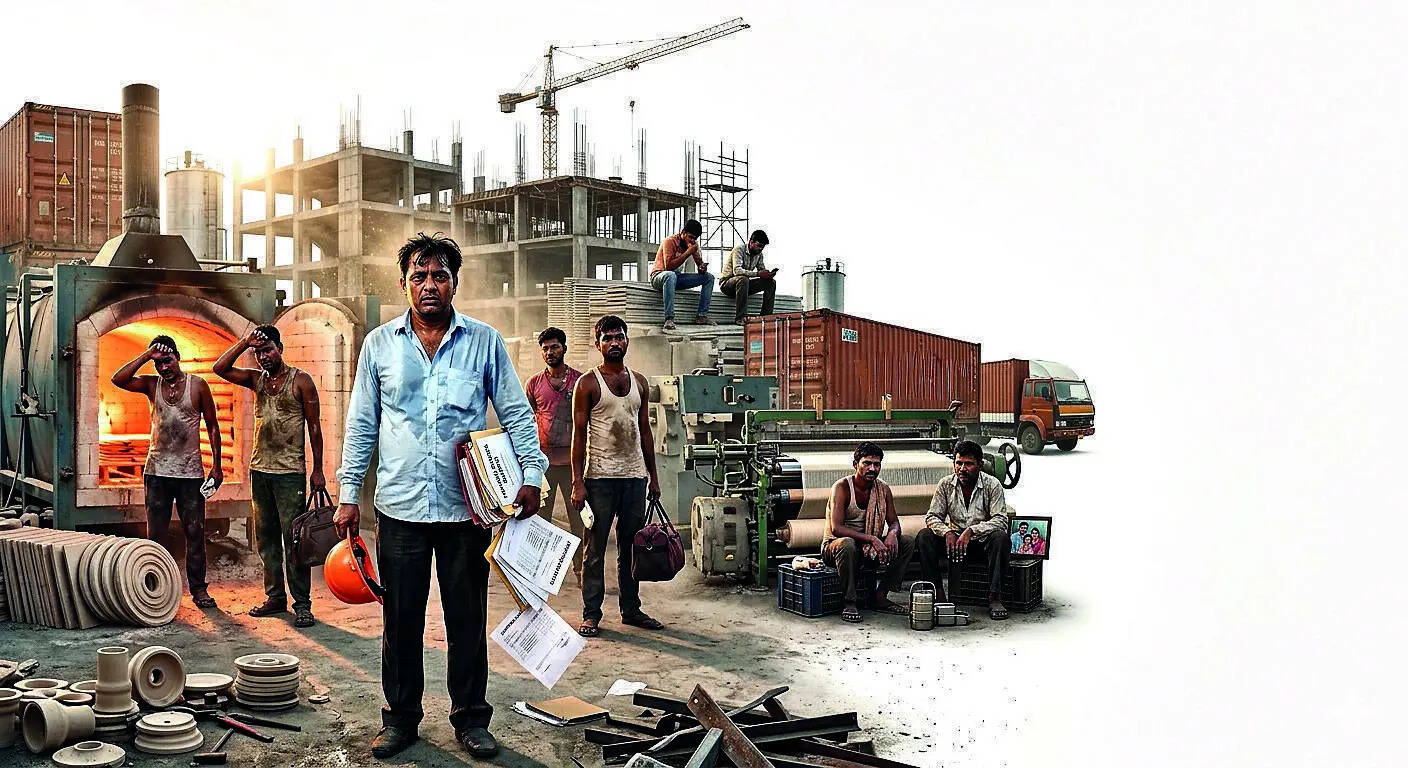
Colonies, children’s education for construction workersConstruction activity across Ahmedabad has slowed as project sites report a 30-40% shortage of labour. Developers say timelines are being pushed back by nearly four months, while labour contractors have begun raising wages to retain workers.According to Credai Ahmedabad, the city typically requires between 2.5 lakh and 3 lakh construction workers. For the past three months, however, the available workforce across both skilled and unskilled categories has remained significantly below the requirement.“Almost every project is operating with fewer workers than required, and the pace of work has slowed considerably,” said a developer associated with Credai, adding that delays are becoming increasingly difficult to absorb across multiple ongoing projects.Developers say they have been trying to retain workers through better on-site facilities. Measures include labour colonies, skill-development support, access to LPG cylinders and food distribution during periods of supply disruption. Viral Shah, secretary of Credai-Gujarat, said several builders stepped in during the LPG shortage to ensure workers stayed.“Developers arranged cylinders and food packets,” he said. Taral Shah, chairman of the Indian Green Building Council, Ahmedabad, said timely payments and better welfare support have become critical for retention. “There has been a shortage of skilled labour over the last few months, though some workers have started returning,” he said. “Contractors are also working with NGOs to support education for workers’ children.” Developers say the shortage worsened after Holi, when many migrant workers did not return to project sites. Vikram Bharwad, director at AG Group, said workers are increasingly finding better opportunities close to home.“Against the requirement of around 800 labourers, we are currently getting around 500,” Bharwad said. “Many workers have chosen to stay back because agriculture and local industries in their native states are providing employment.” The shortage has also pushed up wages sharply. Labour charges have risen from around Rs 500 per day to nearly Rs 700 over the past three months, developers said.Chemical manufacturers cut output as workers choose sites close to homeChemical manufacturers across industrial estates such as Vatva, Naroda and Odhav are also reporting production disruptions. Industry representatives estimate Ahmedabad’s nearly 700 chemical factories require around 50,000 workers, but are currently operating with a workforce shortage of at least 25%.Munjal Jaykrishna, a chemical manufacturer in Odhav, said the inflow of migrant labour into Gujarat has slowed as states such as Rajasthan, Bihar and Odisha develop stronger industrial bases of their own. “Workers are finding opportunities closer home, which has reduced migration to Gujarat,” he said. “That has significantly affected production.”Pigment manufacturer Amit Banthia said his factory had around 175 workers until Feb, but the shortage worsened after Holi, the wedding season and rising temperatures. “Currently, we are operating with just around 50 workers,” Banthia said. “Demand remains healthy, but production has been hit. In some cases, we are sourcing stock from the market to fulfil customer orders.” Labour costs in the sector have also increased, rising from around Rs 600 to Rs 700 a day.
Gujarat’s manufacturers say production losses remain manageable for now because demand is moderate. But if labour shortages continue into the festival production cycle, pressure across the textile value chain could rise sharply
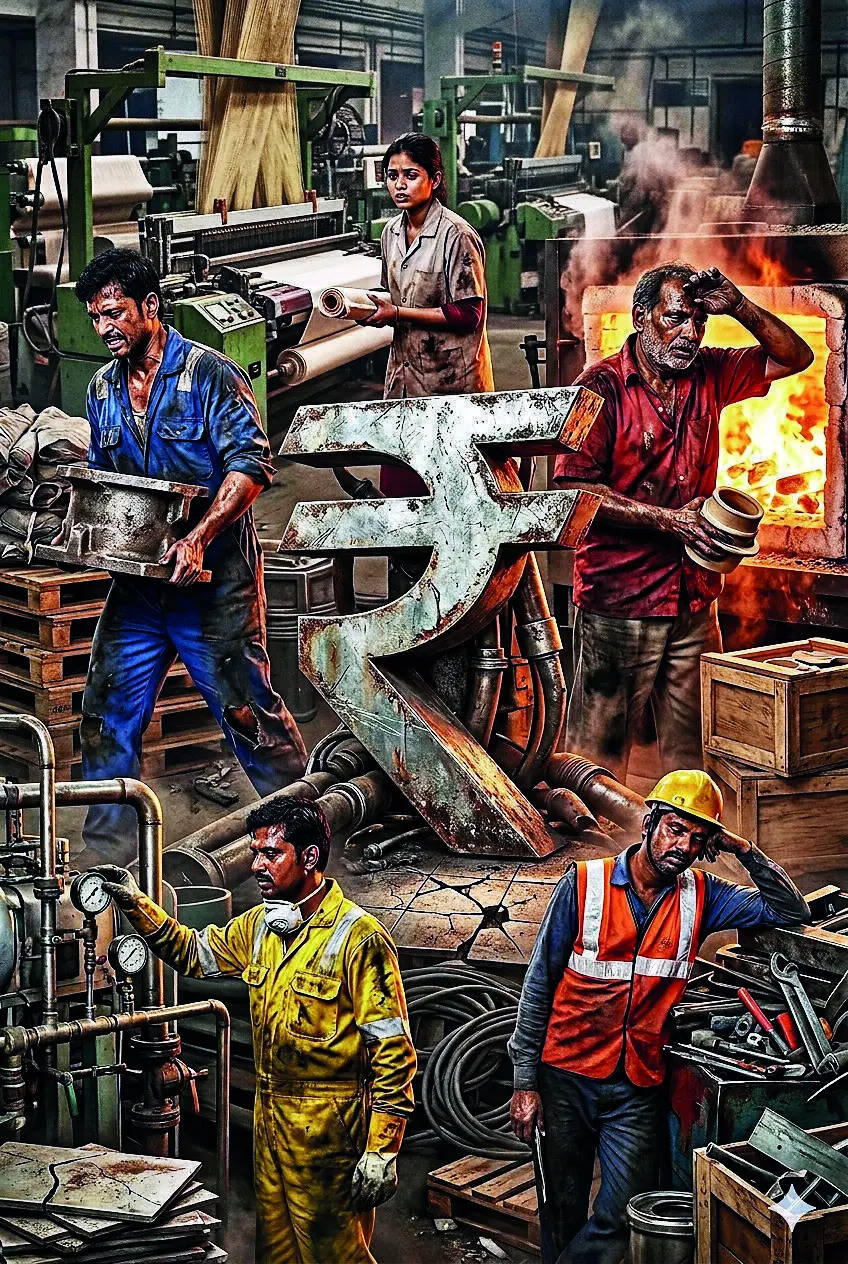
Continued shortage could stretch textiles industry during festivalsGujarat’s textiles industry too is operating with leaner staffing, though moderate demand has helped prevent a major disruption so far. Manufacturers across processing, weaving, spinning and garmenting say capacity utilisation has fallen to around 65% due to a combination of labour shortages and subdued demand.Industry representatives say many migrant workers returned home during the vacation period and ahead of the sowing season. Rising food costs, LPG shortages and uncertainty around industrial activity have further contributed to workers staying away. “A large part of the workforce comes from northern and northeastern states, and many workers have gone back to their native places,” said Rahul Mehta, chief mentor at the Clothing Manufacturers’ Association of India (CMAI).“Processing houses, weaving units and garment manufacturers are operating at nearly 65% capacity. Production is continuing, but factories are managing with smaller workforce and staggered shifts.”Manufacturers say production losses remain manageable for now because demand is moderate. But if labour shortages continue into the festival production cycle, pressure across the textile value chain could rise sharply.Gujarat’s industrial economy is confronting the same challenge: demand may be returning, but workers are not — at least not in sufficient numbers. Until labour availability improves, construction sites and processing units across the state are likely to operate below capacity.
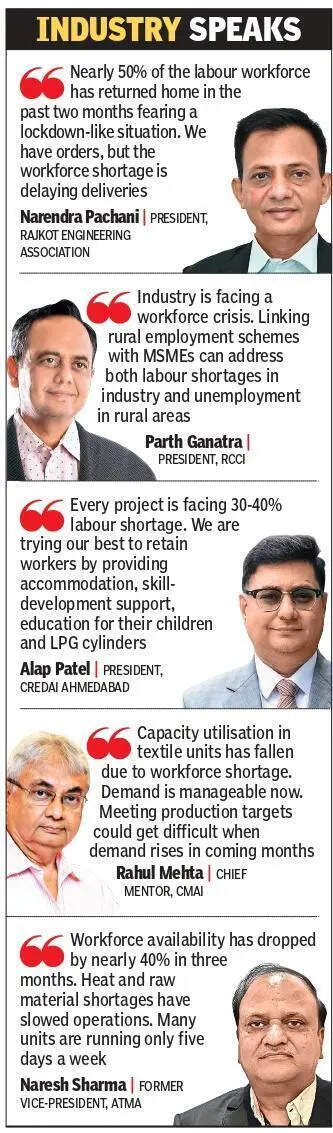
Industry speaks