








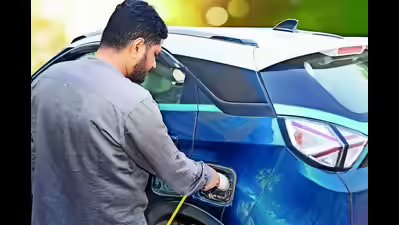
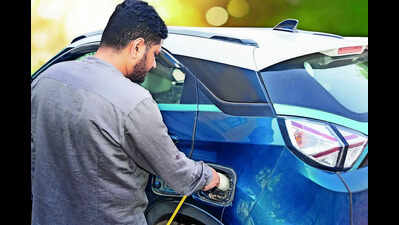
New Delhi: Delhi govt has decided to retain the timelines proposed in its draft electric vehicle (EV) policy despite transport unions, market associations and industry bodies seeking more time for its implementation.Govt officials have indicated that PM Modi’s recent appeal to reduce fuel consumption has further strengthened the push towards faster electrification of the transport sector.Under the draft policy, only electric three-wheelers, including autorickshaws, will be eligible for fresh registration in Delhi from Jan 1, 2027. This will be followed by a complete shift in the two-wheeler segment from April 1, 2028, when only electric bikes and scooters will be allowed to be registered.Senior govt officials said the proposed deadlines will remain unchanged despite pressure from stakeholders during the consultation process. “We will not allow any relaxation in these timelines because of environmental urgency and alignment with national priorities. We have to think of controlling pollution and decreasing dependence on traditional fuel,” an official said, adding the PM’s remarks have reinforced the need to reduce dependence on imported crude.“Even though electricity is generated partly from coal and gas as well, EVs can still reduce overall energy consumption and urban air pollution because they don’t have tailpipe emissions,” the official said. Also, while petrol and diesel are heavily dependent on imported crude, electricity can increasingly be generated from domestic sources like solar, wind, hydro and nuclear power, he said.The transport department held multiple consultation meetings this month with the stakeholders and original equipment manufacturers to discuss concerns and suggestions before finalising the EV policy.During the meetings, several industry representatives raised concerns over the pace of the transition away from internal combustion engine vehicles. Associations representing mechanics and small automobile businesses said many micro-entrepreneurs will struggle to upgrade to EV technology within such a short timeframe.The stakeholders pointed out that many local workshops may not be able to afford specialised diagnostic software and high-voltage safety equipment required for EVs. Industry bodies also argued that India’s EV supply chain, particularly of batteries and rare-earth materials, still remains heavily dependent on imports.They urged govt to provide more time for the development of a local supply ecosystem and charging infrastructure before enforcing large-scale electrification mandates.However, Delhi govt officials maintained that delaying the implementation of the EV policy will only slow down reforms. “If we keep on waiting, one or the other issue will crop up. For introducing any big reform, the practical way is to first put regulations in place, and the market follows. Given the current geopolitical situation and Delhi’s pollution concerns, this approach is appropriate,” the official said.The draft policy also sets electrification targets for school buses, mandating a minimum 10% electric fleet share within two years of notification, 20% within three years and 30% by March 2030.The draft policy was put out last month for the public and stakeholders to submit their feedback. The exercise is now over and govt is likely to notify the policy in two months.