








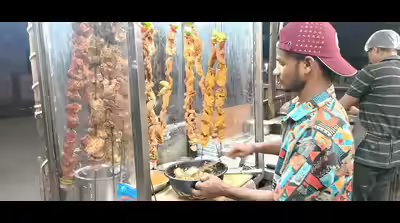
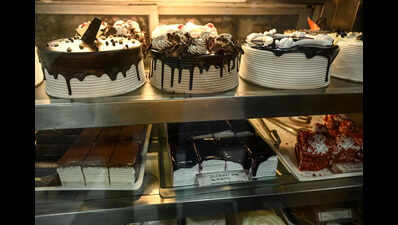
Ghaziabad: UP cabinet has assigned soya chaap and pickled chillies to Ghaziabad and bakery items to GB Nagar under its ‘one district, one cuisine’ (ODOC) initiative. It approved Rs 150 crore for the scheme to promote district-specific cuisines across the state.First announced by chief minister Yogi Adityanath in Dec last year and launched by Union Home Minister Amit Shah in Lucknow on Jan 24 during Uttar Pradesh Day celebrations, the scheme was formally cleared by the state cabinet on Monday.Modelled on the ‘one district, one product’ (ODOP) initiative, ODOC aims to promote local delicacies through branding, packaging and marketing, covering 208 vegetarian cuisines across 18 divisions and 75 districts. Officials told TOI that entrepreneurs will receive a 25% subsidy on branding and packaging, with financial assistance of up to Rs 20 lakh per beneficiary.Among the other signature cuisines are Agra’s petha, Mathura’s peda, Meerut’s gajak, Lucknow’s makhan malai, Varanasi’s tiranga barfi, and regionally popular Ayodhya’s khurchan peda and jalebi, Barabanki’s chandrakala, Banda’s sohan halwa, Shravasti’s imarti and Jalaun’s gujhiya. Sought-after sweets in small towns such as Baghpat’s ghewar, Lalitpur’s doodh ka halwa, and Kushinagar’s lal khorma also figure in the list. Jaggery made in different districts of western UP, too, is on the chart.The samosa districts are Prayagraj, Kanpur Nagar, Gorakhpur, Varanasi and Jhansi, whereas districts famous for mouth-watering chaat include Lucknow, Varanasi, Prayagraj, Kanpur Nagar, Kasganj (moth ki chaat variant) and Gorakhpur.Food critics, however, have questioned the selections, noting neither dish carries strong historical ties to either district.“Soya chaap is a relatively new dish, not more than 30 years old. Ghaziabad sits in the sugarcane belt. Rasawal, prepared from fresh sugarcane juice and rice, is still consumed in villages across the district and would have been far more apt,” said food expert Sohail Hashmi. He added that pickled chillies are more an appetiser than a cuisine, and that the scheme’s exclusion of non-vegetarian dishes does it a disservice.“The food culture of the Braj region, including Mathura and Vrindavan, and Delhi have both shaped Ghaziabad’s culinary identity over 300 years. Kachori, lassi, laddoo and non-vegetarian dishes from Delhi’s influence are far more representative,” he said.On Gautam Budh Nagar, Hashmi was more measured. “Noida is a relatively new industrial city, and bakery and cake items have gained popularity there over the last 40 years. The selection is not without logic, though it is not entirely justified either,” he said.Officials clarified the scheme was never intended as a culinary heritage exercise. “The idea is to promote local delicacies alongside their marketing and branding, and to benefit economically disadvantaged sections involved in these food trades. The entire ecosystem stands to gain. Viewing it purely through the lens of traditional cuisine is not the right lens,” a district administration official said.