









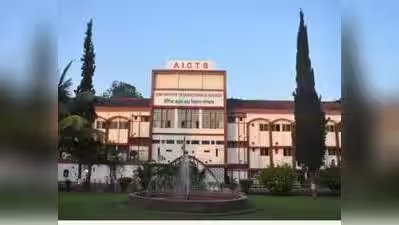
Pune: A team of doctors at the Army Institute of Cardiothoracic Sciences (AICTS), Pune, successfully treated a newborn baby boy with a complex congenital heart defect through an advanced cardiac surgery followed by 40 hours of extracorporeal membrane oxygenation (ECMO) support, giving the infant a new lease of life.The baby, born in an unstable condition at Command Hospital on Aug 31, Pune, first underwent an emergency cardiac catheterisation procedure to stabilise the condition before being taken up for corrective surgery at the AICTS on Sept 25. The case involved a coordinated effort by paediatric cardiologists, cardiothoracic surgeons, anaesthesiologists, perfusionists and neonatal intensive care specialists.The paediatric cardiology team initially performed balloon atrial septostomy (BAS) and patent ductus arteriosus (PDA) stenting to temporarily improve blood circulation and stabilise the newborn. This preparatory intervention was necessary to optimise the infant’s condition before the definitive surgical procedure, said the officials of the AICTS.The cardiothoracic surgical team subsequently performed an arterial switch operation, extracted the previously placed stent and closed the atrial septal defect (ASD), addressing the underlying structural abnormalities and restoring the heart’s circulation.“An arterial switch operation is among the most technically demanding procedures in neonatal congenital heart surgery. It is commonly performed to correct transposition of the great arteries, a condition in which the two main arteries carrying blood out of the heart are connected to the wrong pumping chambers. This results in two separate circulation loops, severely compromising the supply of oxygenated blood to the body,” said one of the doctors.During the operation conducted on Sept 28, surgeons had to reposition the aorta and pulmonary artery and, crucially, transfer the coronary arteries to the newly positioned aorta. These arteries supply blood to the heart muscle, and even a minor technical error during their transfer can compromise the functioning of the heart.The procedure becomes particularly demanding in newborns because of the extremely small size of their heart, blood vessels and coronary arteries. Surgeons must work with exceptional precision while managing the risks associated with prolonged surgery and cardiopulmonary bypass, said the doctors.The baby’s recovery required another advanced intervention after the surgery. The infant was placed on extracorporeal membrane oxygenation (ECMO), a specialised life-support system that temporarily takes over the functions of the heart and lungs by circulating blood outside the body, oxygenating it and returning it to the bloodstream.Medical experts point out that managing ECMO in newborns after major cardiac surgery is particularly complex because of their limited blood volume, fragile blood vessels and vulnerability to bleeding, clotting, infections and organ complications. Continuous monitoring of blood flow, oxygen levels and coagulation parameters is essential.The AICTS team successfully managed the newborn on ECMO for 40 hours before gradually withdrawing the support, marking a major milestone in the recovery.Cardiac specialists at private hospitals say the success of such procedures depends not only on surgical precision but also on seamless coordination between surgeons, paediatric cardiologists, anaesthesiologists, perfusionists and intensive care teams. ECMO provides a temporary window for the heart and lungs to recover when conventional support is insufficient.“In this case, it has been done with utmost care and precisely and hence they could save the baby. This success gives confidence to the fraternity even in the private sector also. Using ECMO on the newborn is challenging because you need high standard of machine operating procedures as well as expertise in aligned fields,” Dr Avinash Inamdar, the veteran cardiac surgeon and former head of the department of the cardiothoracic of the BJ Medical college said.The case also highlights the medical support extended by Army doctors to the family of a serving soldier deployed on the front lines. The successful outcome has brought immense relief to the family and underlined the importance of specialised congenital cardiac surgery and neonatal critical-care facilities in saving critically ill newborns.