








While sitting in a gathering, a friend complains, “why do all these mosquitoes find me the most attractive? My blood must be too sweet!” Other friends, who are mostly unbothered by the swarm of mosquitoes, dismiss their claim yet the mystery remains. Why do mosquitoes only bother some people and ignore others? Mosquitoes are recognised as world’s deadliest animals transmitting vector-borne diseases including malaria, dengue, Zika, chikungunya and yellow fever. Malaria alone accounts for approximately 610,000 deaths worldwide in 2023, according to the World Health Organization. This warrants for specialised reseach to prevent this public health situation created by these tiny creatures.For years, scientists have explored the reasons behind the discrepancy in mosquito bites. Body heat, carbon dioxide, blood type and even body odour have all been discussed as some of the possible explanations. However, a fascinating new study suggests that the answer could be influenced by preferences of mosquitoes. The study suggests that different mosquitoes may have different tastes in humans.
No universal mosquito magnet
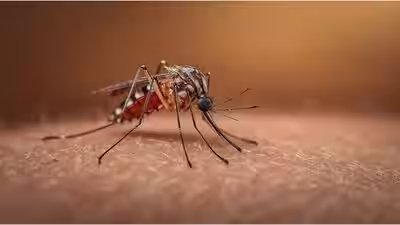
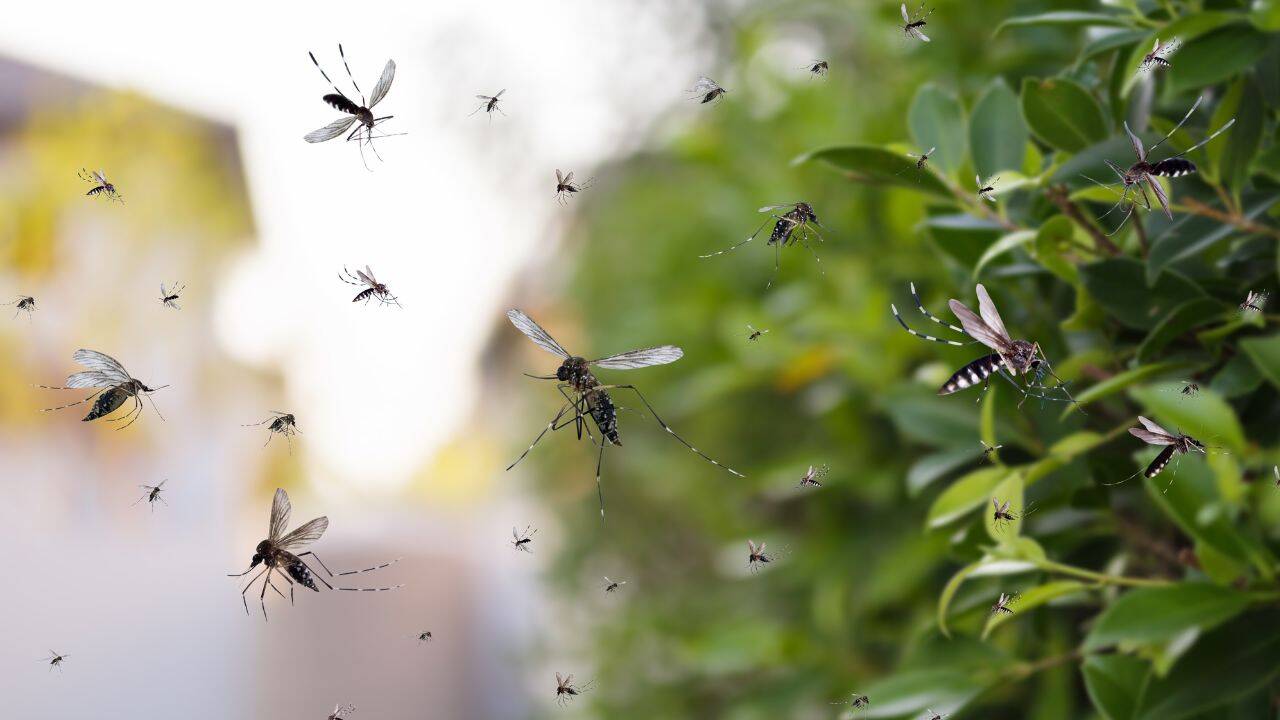
A study titled ‘Individual humans are more attractive to certain mosquito species’ published in the journal iScience has challenged the popular idea that certain people are universally irresistible to mosquitoes. Researchers from Florida International University tested 119 human volunteers to understand how three mosquito species responded to different individuals. The researchers studied three species known for spreading diseases: Aedes aegypti, Aedes albopictus and Culex quinquefasciatus. These mosquitoes are associated with illnesses such as dengue, yellow fever, Zika and West Nile fever.
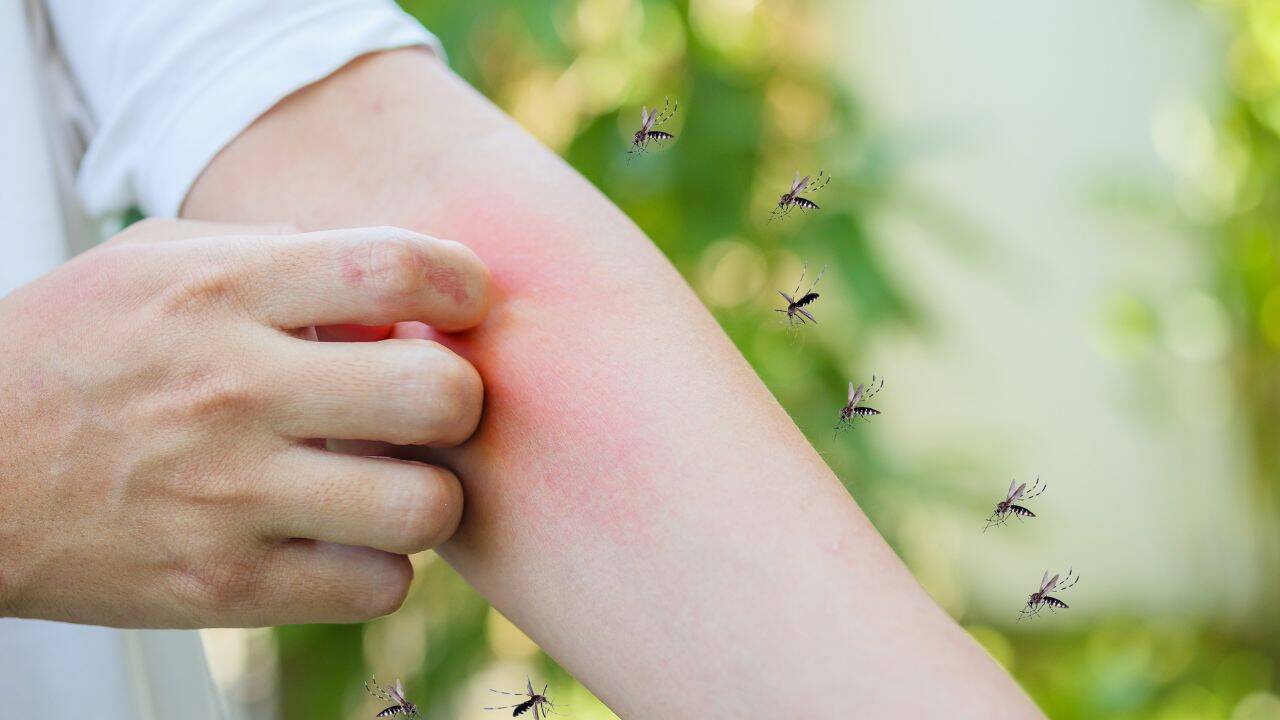
(Image Credit: Canva)
It was interesting to note that not a single volunteer attracted all three mosquito species. Instead, each species appeared to favour a different group of people, suggesting that there is no single human scent that makes someone irresistible to every mosquito.
Your skin has a smell that mosquitoes can recognise
The study focused especially on the role played by body odour in attracting mosquitoes. Our skin constantly releases a complicated mixture of chemicals known as volatile organic compounds. These chemicals shape our natural body scent, even when we have showered and changed clothes.Researchers found that different mosquito species are attracted to distinct combinations of these chemical compounds which are different for all individuals as well. For instance, Aedes aegypti, a mosquito that commonly bites during the daytime, was observed to prefer people who were not wearing added fragrances. Meanwhile, Aedes albopictus, also known as the Asian tiger mosquito, was noted to be more attracted to individuals whose skin released higher levels of ketones. The southern house mosquito, scientifically called Culex quinquefasciatus, which generally feeds after dark, showed a strong attraction to the skin microbiome.
The tiny bacteria living on your skin may be involved
Human skin hosts millions of microorganisms which form the skin microbiome when combined. This includes a combination of bacteria and fungi. These microorganisms may be invisible to the naked eye, they play an important role in maintaining the skin’s natural environment. They are also responsible for the way our bodies smell.
(Image Credit: Canva)
To determine whether differences in microbiome of individuals affect mosquito preferences, the researchers collected skin samples and body odour samples from the volunteers. Their findings revealed that certain bacterial groups were associated with increased mosquito attraction of a particular species.Essentially, what is known as a person’s natural scent, is shaped by these microorganisms that live on your skin. Further, these differences in chemical signals are interpreted by different mosquito species differently. It is almost as if every person carries an invisible fragrance, and mosquitoes have their own individual preferences when choosing which one to follow.
Can this discovery help develop better mosquito repellents?
While the research is helpful in determining patterns of attraction of mosquitoes, it has even more crucial public health implications. The scale of human mortality caused by mosquitoes makes the research relevant for governments, health agencies, policy professionals, and other world organisations. Such specific studies regarding behaviour of these vectors could help researchers in developing more targeted mosquito-control strategies.Rather than creating repellents that work in the same way against every mosquito, scientists may eventually be able to identify specific compounds that interfere with the attraction mechanisms of individual species.