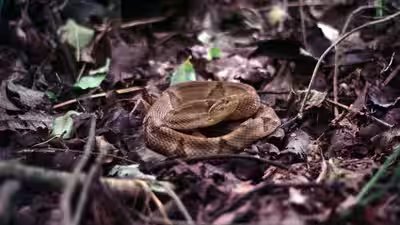









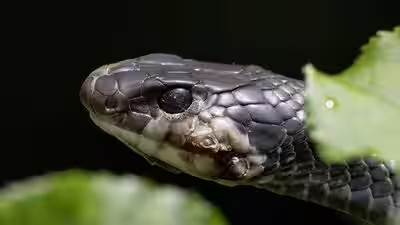
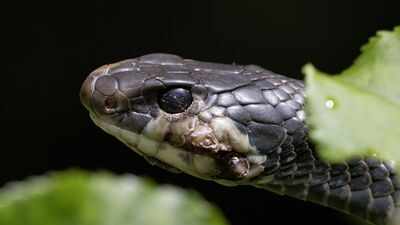
The spread of invasive Burmese pythons in South Florida has raised concerns about their effects on native wildlife. Researchers have examined parasites in the invasive snakes and native snake species to compare infection rates and parasite diversity.According to the Florida Academy of Sciences’, Luke Niemann and Dr Christina Anaya of Florida Gulf Coast University examined the parasites found in native snakes and Burmese pythons.Their study assessed parasite diversity, prevalence and intensity, while compiling a checklist of recovered species. The researchers used morphological methods to identify the parasites and compared their findings with previous taxonomic studies.
How do parasite infections differ between native snakes and invasive pythons
The study examined parasite infections in native snakes and invasive Burmese pythons in South Florida. Native snakes were collected as roadkill, while pythons were donated by hunters. The researchers identified recovered parasites through morphological methods and compared the results with previous taxonomical studies. Statistical analyses were used to characterise the parasitic fauna of native and non-native snake species.The study focused on three measures: parasite diversity, prevalence, and intensity. It also aimed to establish a species checklist of the parasites recovered. These baseline metrics were intended to support future monitoring of changes in parasite spillover from invasive snakes into native populations.
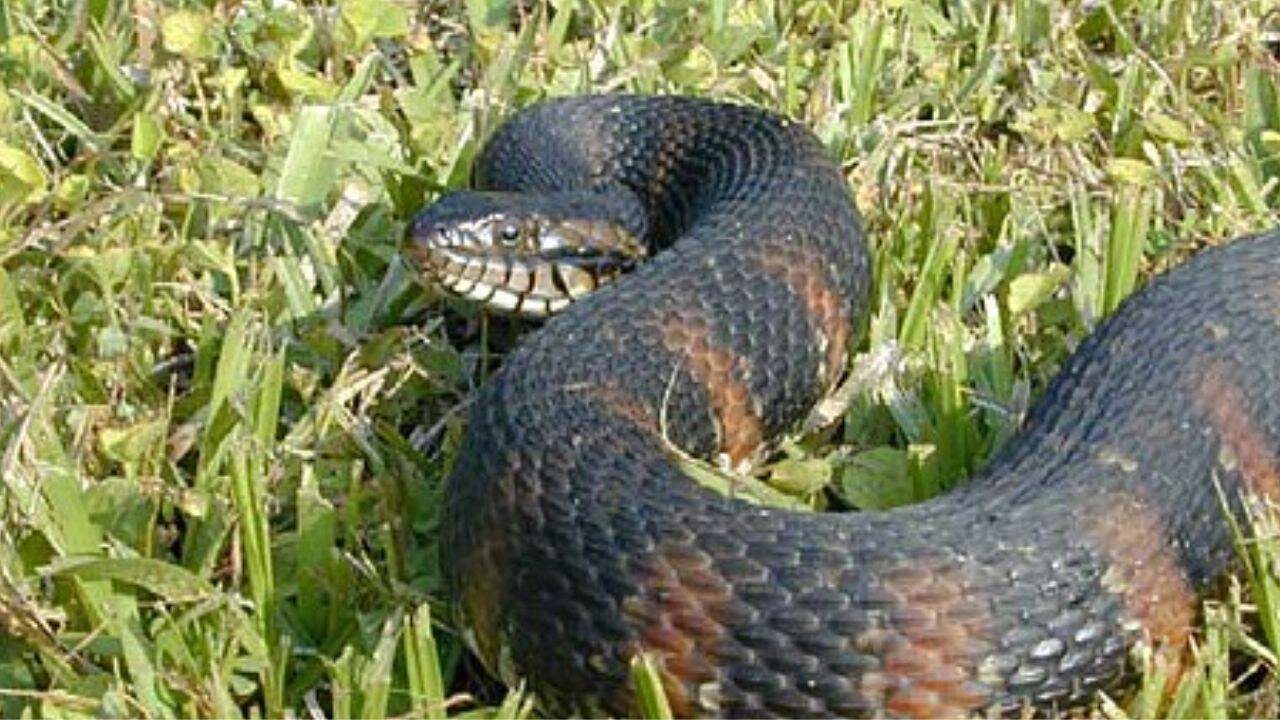
PC: Wikipedia
Parasite prevalence differed between native snakes and pythons
Burmese pythons had an overall pentastome prevalence of 7.58%, lower than the 21.2% recorded across native snakes. Parasites detected in the pythons included the genus Porocephalus with a prevalence of 4.55% and a mean intensity of 1.33, and the species Raillietiella orientalis, with a prevalence of 4.55% and a mean intensity of 1.00.Pentastomes were recorded in both snake groups, but the overall prevalence differed. The study compared the infection measures to characterise parasite patterns among native and invasive snakes. The findings provided baseline figures for the parasite species recovered from the sampled Burmese pythons and native snakes in South Florida. The figures describe recovered parasites and infection levels in pythons, providing a comparison with native snakes in South Florida.
Black racers, mudsnakes, and watersnakes showed different infection rates
Among native snakes, Raillietiella orientalis prevalence varied by species. It was detected in 66.7% of black racers (Coluber constrictor), compared with 14.3% of mudsnakes (Farancia abacura) and 33.3% of banded watersnakes (Nerodia fasciata). Porocephalus was also found in native snakes.The parasite was detected in 28.6% of mudsnakes and 16.7% of banded watersnakes. These figures document differences in the prevalence of the identified pentastomes among the native species included in the study.The researchers used morphological identification and statistical analyses to characterise the parasites recovered from native and non-native snakes, comparing the findings with previous taxonomical studies.
What did the study reveal about parasite infections in Burmese pythons
The researchers found that Burmese pythons were not infected with platyhelminths commonly found in native snake species. This result formed another difference in the parasite findings between invasive pythons and native snakes. The study’s broader aim was to document parasite diversity, prevalence, and intensity, while creating a checklist of recovered parasites.The researchers said that establishing baseline metrics for parasite infection in native and invasive snake populations provides a foundation for monitoring changes in the rate of spillover from invasive into native snakes. They also noted that knowledge of parasites in native snake species remains limited.