






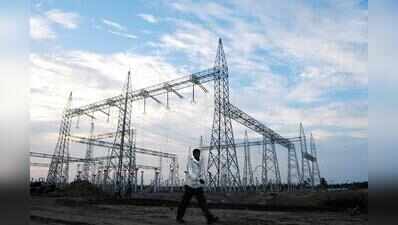
Ahmedabad: Gujarat’s agricultural electricity consumption surged 72% in Oct 2026, driving a sharp rise in the state’s power demand amid weak monsoon conditions. Peak demand reached 29,822 MW, up 37% from 21,822 MW in Oct 2025, according to state govt data. The state supplied 12,034 million units (MU) of electricity up to Oct 26, compared with 8,994 MU during the corresponding period last year. This marked a 34% increase in energy supplied.Agricultural consumption rose to 2,521 MU from 1,464 MU a year earlier. Inadequate rainfall pushed farmers to rely more heavily on groundwater for irrigation, increasing the running hours of tube wells and irrigation pumps.Industrial consumption also climbed 27% to 6,019 MU from 4,743 MU. The increase points to sustained electricity demand across manufacturing units and industrial clusters.A senior state govt official said, “Peak demand had approached 30,000 MW, driven primarily by agricultural pump loads and higher industrial consumption. The government had planned generation schedules and ensured fuel and transmission readiness to maintain stable supply.”Rajesh Gandhi, president of the Gujarat Chamber of Commerce and Industry (GCCI), attributed the increase to high temperatures, greater cooling requirements, agricultural irrigation and increased industrial activity ahead of the festive season. Lower hydropower generation had added to the pressure on peak supply, he said.Gandhi said, “Gujarat needed reliable and affordable power to meet demand from agriculture, households and industry. Stronger generation and transmission capacity, expanded energy storage, better integration of renewable energy and improved peak-load management is the need of the hour.”Gopal Sutariya, chairman of GCCI’s agriculture committee, said, “Deficient rainfall had forced farmers to run tube wells and irrigation pumps for longer periods. Greater use of electric dryers, hullers and other farm equipment had also added to agricultural consumption.”“Even small and rain-dependent farmers are now investing in borewells to take two to three crops a year, which is structurally pushing agricultural power demand higher,” Sutariya said.