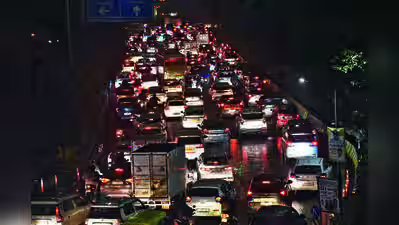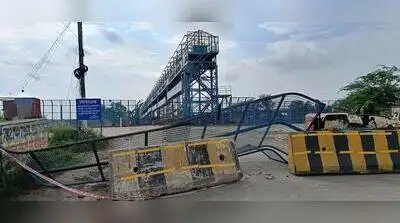









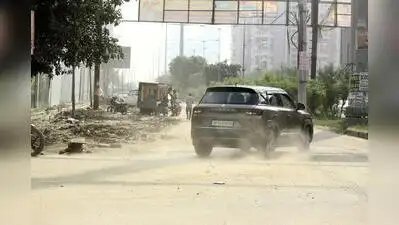

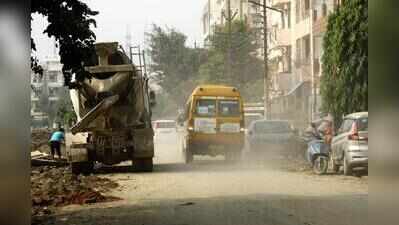
Ghaziabad: District magistrate Ravindra Kumar Mandar has directed govt agencies, including the civic corporation and the development authority, to draw up action plans to curb construction dust, open burning and emissions from end-of-life vehicles (ELVs) before the smog season sets in. They have also been told to check the use of coal- and wood-fired tandoors in commercial kitchens.The measures will be implemented across nine pollution hotspots with high levels of vehicular emissions and dust. Last month, UP Pollution Control Board identified Rajnagar Extension, Sahibabad, Loni, Bhopura-Delhi border, Indirapuram, Vijay Nagar-SSG Road, Lal Kuan, Siddharth Vihar and Vasundhara-Vaishali as the most polluted areas for its 2026-27 winter action plan.In a meeting on Wednesday, Mandar directed GDA, GMC, transport department, district supply department, electricity department, police, agriculture department and Awas Vikas Parishad to prepare individual plans under the Graded Response Action Plan (GRAP) and to coordinate their efforts so that pollution-control measures are implemented effectively.Officials said construction dust was flagged as a major polluter. “Construction agencies have been directed to ensure adequate water sprinkling and install anti-smog guns at construction sites to prevent dust from spreading into the surrounding environment,” said an official.GDA and the municipal corporation have also been instructed to clean roads at night and sprinkle water to keep dust from becoming airborne, particularly in areas with heavy traffic and ongoing development work.Officials said monitoring at construction sites would also be tightened. “To strengthen monitoring at construction sites, construction and demolition projects on plots measuring 500 square metres or more must register on regional dust portals as mandated under rules set by the Commission for Air Quality Management (CAQM) and local pollution control bodies. Self-audits have also been made mandatory to improve compliance with prescribed dust-control measures,” an official said.The administration has also turned its attention to bonfires, which security guards and other outdoor workers may light with wood or other materials for warmth in winter. “Resident welfare associations (RWAs) in group housing societies have been directed to ensure that electric heaters are provided to security guards in time, helping discourage open burning,” said officials. The directions are meant to discourage open burning during the colder months.Hotels, restaurants and other commercial kitchens have been instructed to replace coal- and wood-fired tandoors with cleaner alternatives, including piped natural gas (PNG) and liquefied petroleum gas (LPG), to reduce cooking emissions.The transport department has been asked to crack down on old vehicles, which add to emissions. Officials have been directed to act under applicable rules against diesel vehicles older than 10 years and petrol vehicles older than 15 years, subject to relevant exemptions. Electric vehicles, CNG vehicles and BS-VI-compliant diesel vehicles are excluded.Air quality in the city has been deteriorating steadily. On Wednesday, Ghaziabad’s average air quality index (AQI) was recorded at 208, in the poor category. The Loni monitoring station recorded 268, followed by Indirapuram at 262, Sanjay Nagar at 227, Vasundhara at 225 and Wave City at 209.