









How far should police go to make their work visible on social media? Should a routine patrol come with a film score, a senior officer’s arrival be shot in slow motion, or a recovered vehicle be handed back to its owner with an oversized cardboard cutout of a key bearing the department’s logo? And where does public outreach end and self-promotion begin for a force bound by discipline and decorum?These questions are now being asked within Gujarat Police. Reels showcasing arrests, raids, patrols, recoveries and rescues have become routine, and officers are divided over what such publicity is for and how far it should go.Social media feeds are filled with videos from influencers vying for attention, and police stations too are increasingly packaging their work as short, edited clips. But some officers say that the pressure to be seen, by the public and even more by their superiors, has reached a point where police personnel film even everyday duties, often with elaborate arrangements to make the footage more appealing.Recently, Surat police posted a video showing people with criminal records being called to a hall and taken into a curtained room, where they were allegedly beaten in the presence of senior officers. They were later seen limping out. The footage was set to the Bollywood song, “Aaiye Aapka Intezar Tha”, the Gujarati wedding song “Aaj Maro Veero Re Parne Re Hemar Hathide”, and fight-sequence music.“If you look at the comments, many people seem to be enjoying the reel. Some have objected to police beating the accused, while others have appreciated the choice of songs. Many people have also asked why police have failed to control crime and enforce prohibition, and told them to stop such drama,” said another senior Surat police officer.
In Surat, police inspectors have been instructed to film departmental activities, sources said. Assistant commissioners, inspectors, sub-inspectors and constables are all expected to take part, though many are reluctant, sources said
“The police force commands considerable respect in society. Cops should stop posting such reels or they risk becoming a laughing stock,” the officer added. The trend is not limited to Surat. In Vadodara, videos of arrests, public parades and accused persons limping have appeared on police social media accounts. In Rajkot, reels have featured film dialogues, split-screen edits and slow-motion entries of officers flanked by armed personnel.
“Service rules do not permit officers to celebrate their work. Flaunting achievements or posing in uniform without any particular reason is, in my view, cheap behaviour. I don’t approve of it. It reflects a lack of seriousness,” said Rahul Sharma, retired IPS officer and practising lawyer
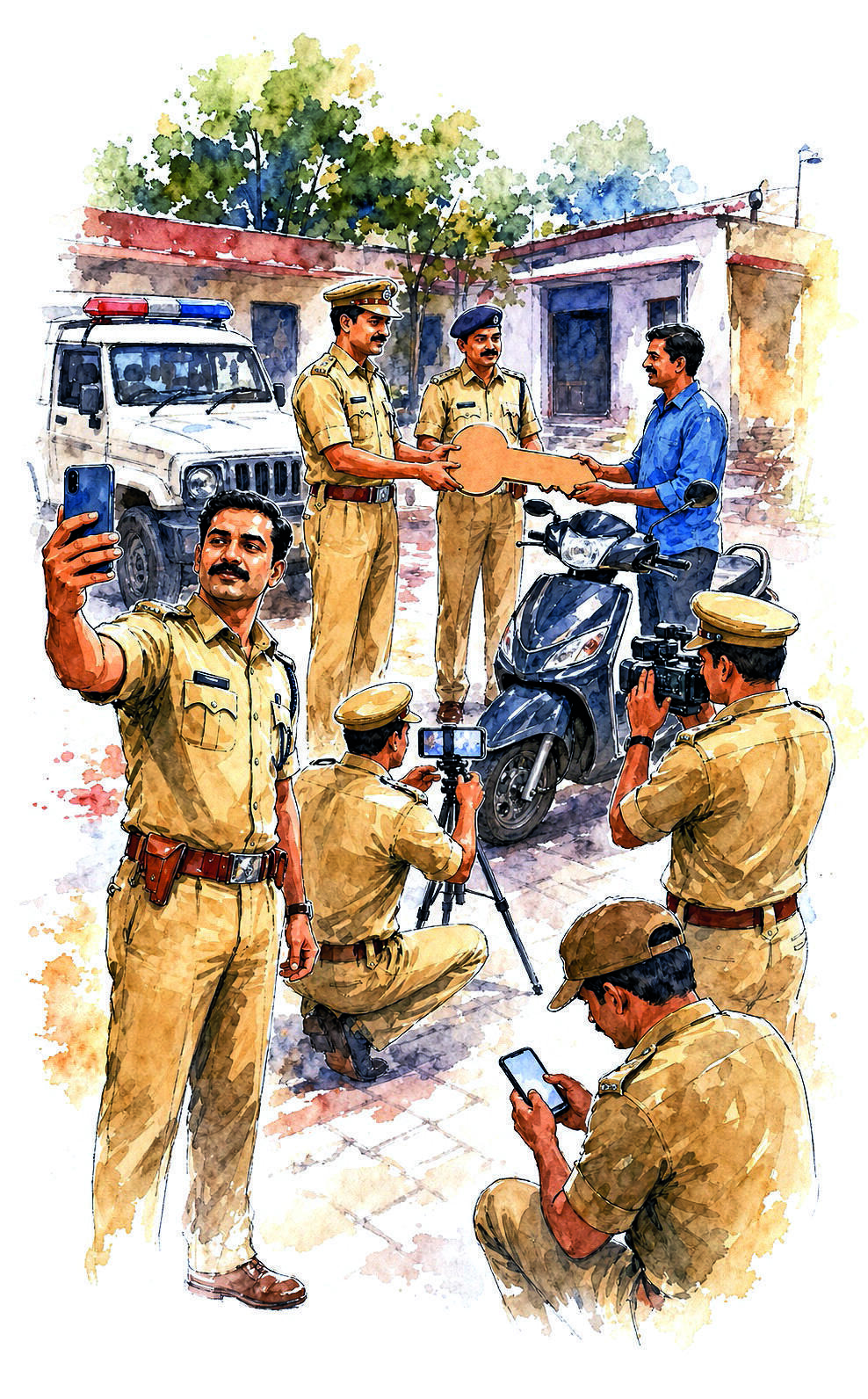
Senior officers defend the medium as an effective way to reach citizens, recognise good work, and deter crime. Others, however, ask whether the growing emphasis on presentation is pulling attention and resources away from policing itself.From policing to video productionIn Surat, police inspectors have been instructed to film departmental activities, sources said. Assistant commissioners, inspectors, sub-inspectors and constables are all expected to take part, though many are reluctant, sources said.“In our department, some officers wake up thinking about what their reel for the day will be. They turn almost anything into content to gain publicity,” a Surat police officer said. “Over the past couple of years, the institution has weakened. There is now a perception that if you show your work in a reel, you are performing well.”

“We use social media to provide timely updates, prevent speculation, and stop the spread of fake information. It is also our duty to inform citizens about law and order and the new modus operandi used by criminals,” said Wabang Jamir, Surat police commissioner.
Officers said the additional workload has become harder to manage because of staff shortages, long hours, lack of eight-hour shifts, and difficulty securing leave.“Making reels and videos is not part of our key result areas. Police should post videos of exceptional or rare detections, or explain new cybercrime and cheating methods to make people aware,” an officer said.
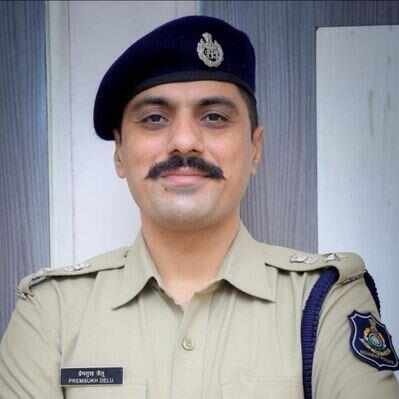
“These videos highlight work done by police and help build public trust in the department. When the good work of a constable or sub-inspector is shared on social media, it receives wider recognition and encourages them to continue doing such work,” said Premsukh Delu, superintendent of police, Surendranagar
However, a senior state home department official said there was no official directive requiring police units to make reels of their achievements or use them to promote individual officers.“Although there is no order or instruction to make reels highlighting achievements or praising any officer, cops have been doing so purely for publicity. There are no guidelines on who can make such reels, unlike earlier orders stating that only officers of DSP or ACP rank and above could speak to the media,” the officer said. DGP G S Malik declined to comment on the issue.According to police sources, most police stations in Surat have engaged videographers, even though govt has no budget provision for it. Routine work such as patrolling, flag marches, vehicle checks and breathalyser drives is sometimes staged or presented as a special event for the camera.The “before-after” reel format has also gained popularity among police officers. “The first part shows the offence, and the second shows the police response. This strengthens people’s trust in police,” said a senior police officer. Sources in Ahmedabad police said several officers at DCP rank and above have also engaged tech-savvy youngsters to shoot, edit and post reels.Oversized cheques for the cameraThe emphasis on presentation extends to Surat police’s “Tera Tujh Ko Arpan” programmes, where officers return recovered valuables to complainants. The handovers are routine police work, but they are increasingly staged for the camera.“We must prepare enlarged cheques bearing the Surat police name and oversized keys with the police logo, as if the department were giving someone a new vehicle. Returning recovered valuables is something police have done routinely for years,” an officer said.All this must be squeezed in alongside registering FIRs, processing applications, attending to complainants, granting event permissions, maintaining registers, handling passport verification, patrolling, and investigating crimes.During the recent flooding in Surat, a video showed senior officers, including the police commissioner, boarding a boat in a creek-affected area. Police also released footage of personnel rescuing animals stranded in floodwaters.Some officers said the hope of catching a superior’s eye has encouraged personnel to film rescue operations. They also raised concerns about videos of people rescued from suicide attempts.A senior officer wants state govt to rein in the reel culture altogether. “If this continues, officers will start believing that making reels is their job. Police are not content creators chasing likes and views. It is a question of professionalism.”Public paradesVadodara police have also made reels of history-sheeters being paraded through the streets, aiming to reassure residents and reduce their fear of criminals. Some of the more striking videos, many of which have drawn thousands of views, show accused persons limping as they are taken to court or presented to the media.A police officer said such visuals were meant to convey that the accused had received “proper treatment” in custody. “They gave people a sense of satisfaction that the accused had been dealt with properly. It also projects police as tough and sends a strong message to criminals,” he said.In Aug last year, two men accused of throwing eggs at a Ganesh idol in the Panigate area were paraded and made to apologise to people on the streets. In March this year, Gotri police paraded a 24-year-old history-sheeter accused of harassing a young girl. Police recorded and posted videos of both incidents.
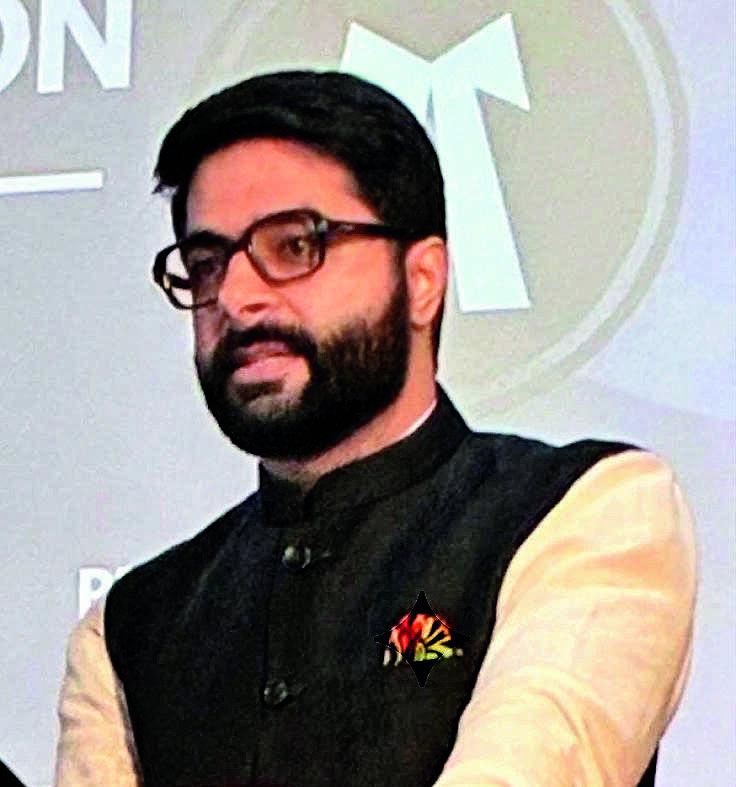
“The videos of public parading of accused persons, and the photographs and the reels made by police officers end up as primary evidence against the officers themselves in petitions seeking punishment for contempt of court or compensation for human rights violations,” said Siddharth Ravi Kheskani, high court lawyer
Godhra police carried out a similar parade in Sept 2025, when more than two dozen men accused of rioting and attacking a police outpost were made to walk along roads in Panchmahal district with their hands tied with ropes.“Content related to policing should be genuine. It should not be used to portray someone as a hero. Police have no right to beat an accused in public, and reels of such acts should not be publicised,” said A M Chauhan, retired IPS officer and high court lawyer.“Even if no actual beating takes place, creating the impression of torture or brutality to improve the public image of the police is unlawful, abusive, and a violation of basic human rights and of due process. The practice is illegal and must be discouraged,” Chauhan added.DGP’s directives ignoredIn May this year, then in-charge DGP K L N Rao issued directives to police across the state against the public parading of accused persons. He said such practices violate the Supreme Court’s 1997 D K Basu judgment and a 2019 Gujarat High Court ruling on the treatment of persons in custody. Barely a few months later, the practice continues. This month, four men arrested in Singarva, Ahmedabad, for allegedly assaulting a pan parlour employee were taken back to the spot by police. Videos show a policeman in civilian clothes allegedly beating them with a stick, making them hold their ears and walk on their haunches in public.Such footage can haunt the officers who post it. “Supreme Court has time and again criticised high-handed actions by the police. Gujarat High Court, too, has passed several orders censuring police officers for such actions, and has even punished delinquent officers for contempt of court. Despite the clear mandate of law, rights of accused persons have been consistently violated,” said Siddharth Ravi Kheskani, high court lawyer.Retired principal district judge Jyotsna Yagnik said, “To the extent that police videograph any lawful process they are required to carry out, such recording may be for the purpose of demonstrating a free and fair investigation and for maintaining their own records. It should not, however, be treated as a procedure meant for public display of the suspect or the accused.”
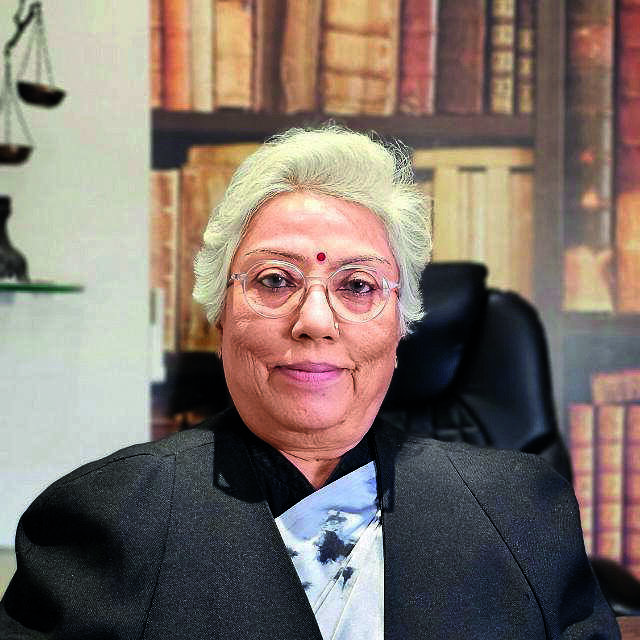
“A vital principle of criminal justice is the presumption of innocence until guilt is proved. So, publicising suspects, arrests, or searches lacks legal authority and may lead to defamation and social stigma,” said Jyotsna Yagnik, retired principal district judge
Bollywood dialogues for effectIn parts of Saurashtra, police reels borrow the visual language of popular action films. Rajkot police’s social media accounts have featured split-screen videos showing lawbreakers in one frame and police action against them in the other, set to film dialogues such as “Ab bahut maza aayega” from “Sholay”.Some videos show citizens garlanding officers after their stolen gold chains and mobile phones were recovered. Others feature raids on gambling and prostitution dens or seizures of contraband. Recently, police released footage of personnel carrying an unconscious woman during a mountain-climbing competition at Chotila.
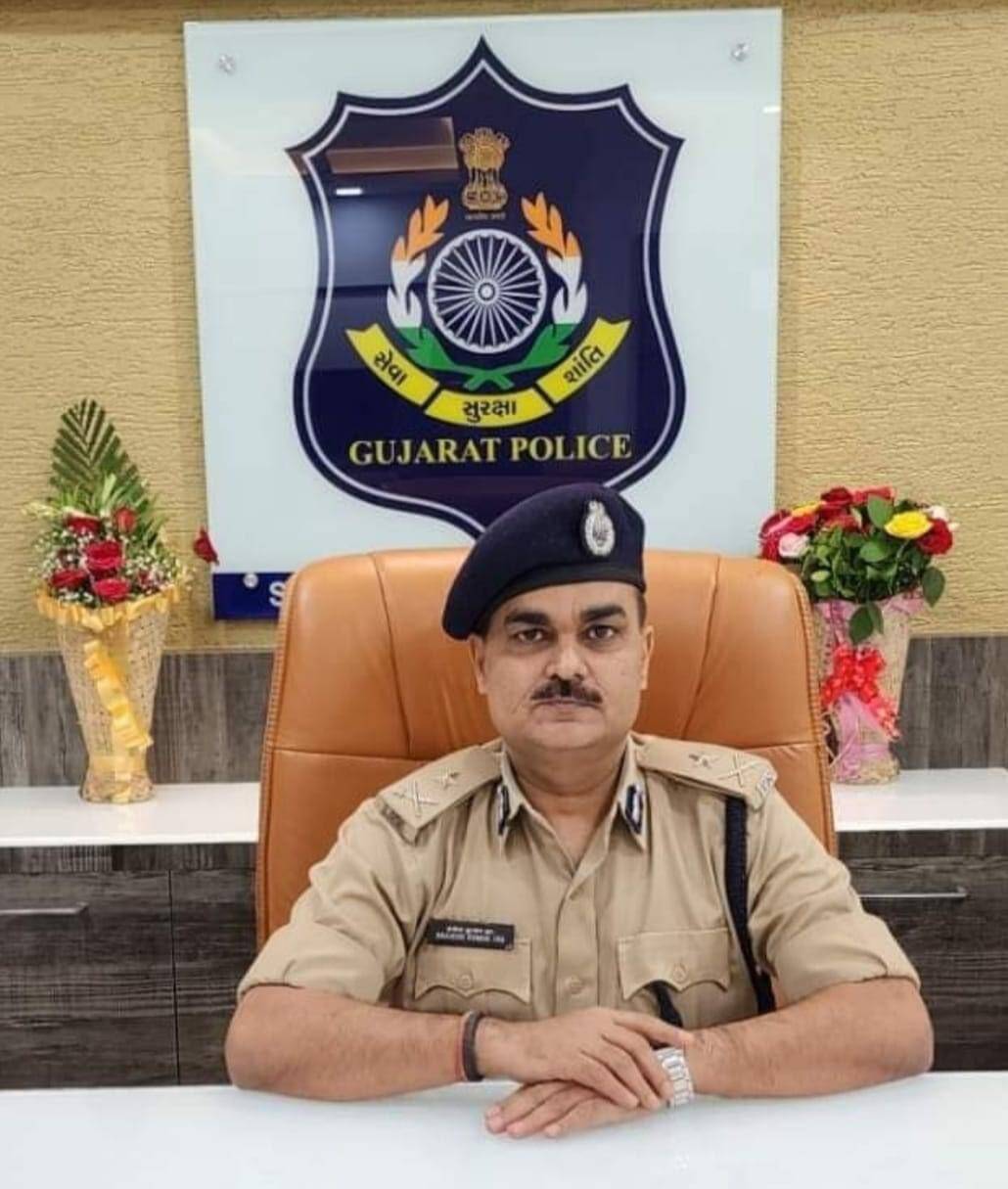
“We use social media to share what was usually shared through press releases. The younger generation consumes news through websites. The aim is to reach as many people as possible through this new-age medium,” said Rajkot police commissioner Brajesh Kumar Jha
Senior officers said social media popularity plays no role in formal evaluations and has no bearing on promotions, increments or postings. What appears in an officer’s service record and the image they project online may not always tell the same story. The distinction between professional achievement and public recognition is becoming an increasingly important subject of debate in the force.