








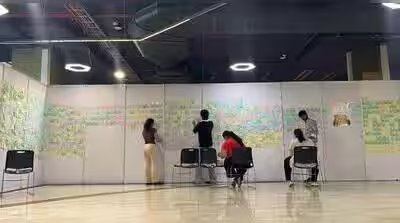

Chennai: Today, a ‘wall of hope’ built of 20,000 Post-it notes, each carrying a young person’s raison d’etre, will come together at IIT Madras Research Park in Taramani. ‘To become an IAS officer,’ says a yellow 3×3 inch note from a 15-year-old. ‘For my younger brother,’ says another. ‘There is no one to care for him’.The initiative was launched in Oct 2025 as part of a year-long youth-led initiative of the Schizophrenia Research Foundation (SCARF) and its department of youth mental health.Messages were collected from adolescents and young adults at 23 colleges, four schools, five youth spaces and one scientific conference in Tamil Nadu, Puducherry, Andhra Pradesh, Telangana, Odisha and West Bengal.“In clinical practice, hopelessness is known to precede suicidal behaviour, and addressing it is central to therapy,” says psychiatrist Dr Shiva Prakash Srinivasan of SCARF.“Research shows that many people hesitate to speak about suicide directly but are more open to discussing hope and well-being. Getting them to write down their hopes was a way of building optimism and connection, and a pathway to help-seeking.” The campaign was led by 400 trained youth ambassadors.The reasons for living that people wrote down, says Dr Shiva Prakash, were relationships and commitments; education, career and financial goals; personal growth and self-development; pursuit of happiness; and holistic life purpose. “But we also identified voices of struggle,” he adds.“About 400 of the 20,000 messages expressed distress or suicidal thoughts,” says Aravind. “Some were vague, while others were direct statements about not wanting to live or not belonging. It is the start of a conversation, not by a mental health professional or counsellor, but by a peer.”With Tamil Nadu recording the second-highest number of suicides in the country, and young people being among the groups most affected, Dr Shiva Prakash says that, as a continuing activity, he hopes to see it integrated into other mental health awareness activities at academic institutions.The anonymity of a small colourful note, says Aravind, gave people with nowhere else to turn a safe space to express themselves.“The team did not offer therapy. We only wanted to give them the message that if they are struggling, help is available. We would direct those in distress to counsellors if needed,” he said.