









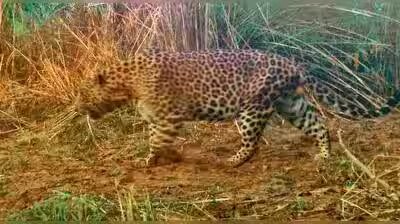
Chandigarh: Restoration of native species of both flora and fauna, sustained control of invasive species and long-term, multi-season wildlife monitoring should form the core of Chandigarh’s conservation strategy, a rapid wildlife assessment conducted by the UT forest department with the Wildlife Institute of India (WII), Dehradun, has recommended.The 2026 Wildlife Survey Report has also called for regular desiltation and restoration of wetlands and riparian habitats, protection of grasslands, scientific protocols for wildlife rescue and relocation, and tighter regulation of tourism and human activity in sensitive and core areas.The report cautioned against monoculture plantations and introduction of non-native species, recommending that native, palatable grasses and plants be prioritised to improve habitat quality. It has also sought a sustained, mission-mode campaign against invasive species, including the red-eared slider turtle.The rapid multi-taxa survey was conducted in Sukhna Wildlife Sanctuary and forest patches outside the sanctuary from Nov 20 to 27, 2025, by the Department of Forest and Wildlife, UT Chandigarh, in collaboration with WII. The assessment used vegetation plots, line transects, camera traps, bird point counts, visual surveys, acoustic monitoring and indirect signs such as pugmarks, scat and tracks.Long-term monitoring key recommendationThe report said the short-duration assessment provides a useful snapshot but cannot capture the full diversity of nocturnal birds, moths, small mammals, bats and herpetofauna. It therefore recommended long-term, multi-season and multi-taxa surveys to establish reliable biodiversity trends and track ecological and climatic changes.For the sanctuary’s forests, the report flagged poor regeneration of native species, including Terminalia anogeissiana, Lannea coromandelica, Albizia lebbeck and Senegalia catechu. It recommended replacing invasive vegetation with native species and planting palatable grasses such as Eulaliopsis binata, Arundinella nepalensis, Heteropogon contortus and Tripidium bengalense.The report also called for restoration of water bodies and riparian habitats, while recommending regulated management interventions to maintain wildlife habitats.BOX1: Biodiversity snapshotFlora: 43 tree, 14 shrub and 22 herb species recorded.Mammals: 16 species, with Sambar the dominant ungulate; about 603 Sambar were estimated/recorded, with an encounter rate of 58.Predator: Leopard detected; Golden Jackal had the highest carnivore encounter rate at 12.Birds: 132 species from 53 families; woodland habitats had the highest diversity.Butterflies: 73 species from five families; riparian zones had the highest richness at 49 species.Herpetofauna: 71 individuals of 13 species, including frogs, turtles, snakes and lizards.New record: Sitana spp. (fan-throated lizard).Conservation-significant species: Indian Roofed Turtle and Bengal Monitor Lizard.Bird highlight: Vulnerable Common Pochard recorded; only one scavenger species, Griffon Vulture, detected.BOX2: Conservation concernsForest regeneration: Several native tree species showed no regeneration.Invasives: Lantana camara, Leucaena leucocephala, Neltuma juliflora, Eucalyptus and Arundo donax flagged.Exotic turtle: Red-eared slider recorded; report seeks removal and ex-situ management.Wildlife rescue: Scientific protocols needed, particularly to prevent unnecessary snake relocation.Survey limitation: Short duration restricted assessment of nocturnal and less detectable species.BOX3: Key recommendationsNeed for long-term monitoringScientific management and restoration measuresPromotion of native vegetation and habitat managementInvasive species controlRegulation of human activities and tourismCommunity engagement and awareness